Pre-Production Filmmaking Checklist: Everything You Need Before Shooting


By Muhammad Wisal and Muhammad Ali / 6 min read

Why Pre-Production Filmmaking Is the Foundation of Every Successful Film
Many filmmakers focus heavily on cameras, actors, and shooting days. However, the reality is that most filmmaking problems occur long before production begins. Budget overruns, scheduling conflicts, missing permits, casting issues, and unclear creative direction often stem from poor planning during Pre-production Filmmaking.
Whether you're producing a short film, feature film, documentary, commercial, or web series, successful filmmaking starts before the camera rolls. The more prepared your team is, the smoother the production process becomes.
In fact, experienced filmmakers often say that a film is won or lost in pre-production. A well-organized pre-production process helps avoid costly mistakes, reduces stress, and ensures everyone involved understands the project's vision.
This comprehensive Pre-Production Filmmaking Checklist covers everything you need before shooting begins, helping filmmakers create better projects while saving time and money.
What Is Pre-Production Filmmaking?
Understanding the Importance of Pre-Production Filmmaking
Pre-production Filmmaking is the planning phase that takes place before filming starts. During this stage, filmmakers prepare every aspect of the production, from script development and budgeting to casting and scheduling.
The primary goal is simple: Solve problems before they happen.
Without proper preparation, productions often face:
- Budget overruns
- Missed deadlines
- Casting challenges
- Location issues
- Equipment shortages
- Crew confusion
- Unnecessary reshoots
The stronger your pre-production process, the fewer surprises you'll encounter during filming.
The Ultimate Pre-Production Filmmaking Checklist
Script Development and Finalization
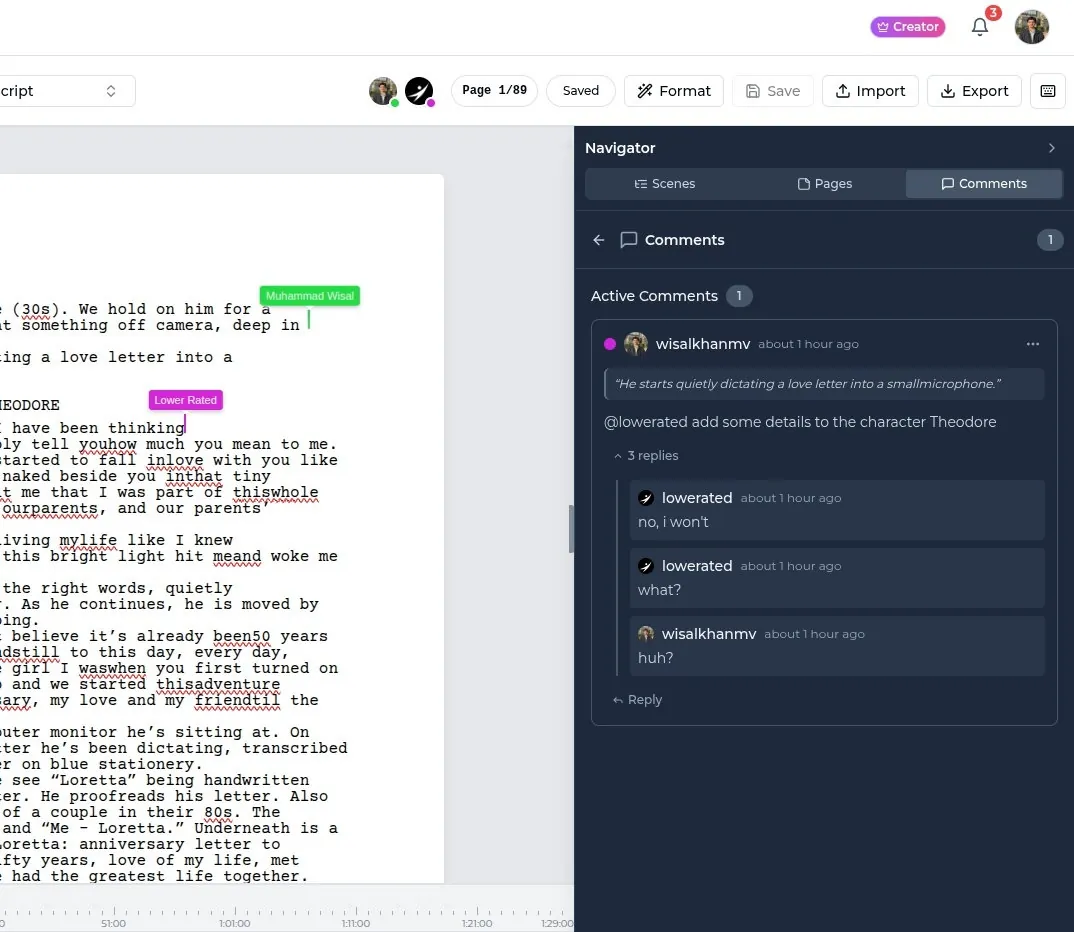
Complete Your Script Before Planning Anything Else
Your script serves as the blueprint for the entire production.
Before moving forward, ensure:
- Story structure is finalized
- Character arcs are complete
- Dialogue feels natural
- Scene descriptions are clear
- Revisions have been reviewed
Many filmmakers make the mistake of starting production with an unfinished script. This often leads to delays, confusion, and costly rewrites during filming.
Ask yourself:
- Is the story clear?
- Are all scenes necessary?
- Does every character serve a purpose?
- Have trusted readers reviewed the script?
A finalized script provides the foundation for every other production decision.
Create a Production Budget
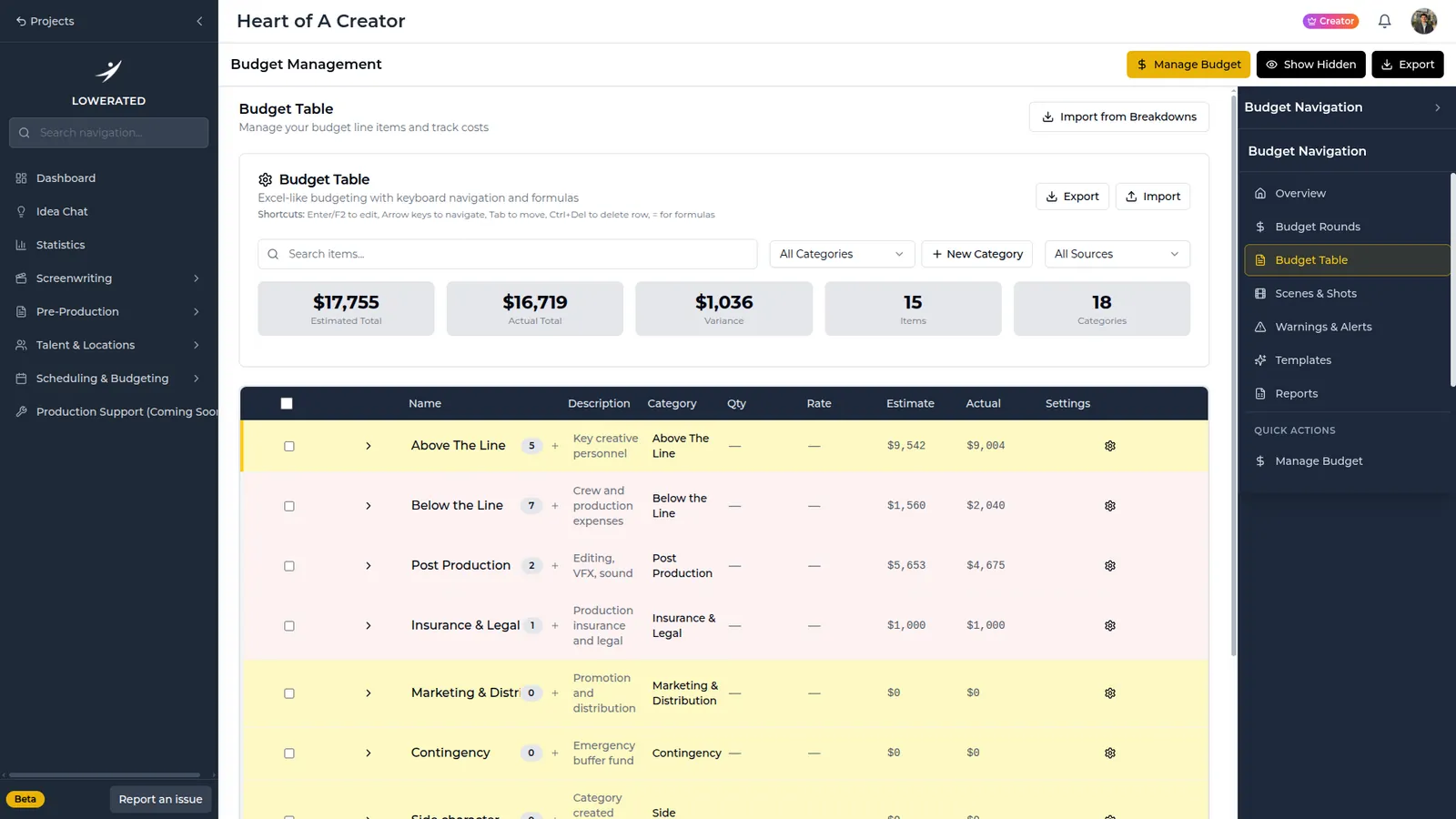
Know Exactly Where Your Money Is Going
One of the most common reasons independent films struggle is poor budgeting.
Your production budget should include:
- Cast payments
- Crew wages
- Equipment rentals
- Location fees
- Transportation
- Catering
- Insurance
- Marketing expenses
- Post-production costs
Many filmmakers underestimate expenses and run out of resources before completing production.
A detailed budget helps identify potential financial challenges before they become serious problems.
Build Your Production Schedule
Turn Your Script Into a Realistic Shooting Plan
Scheduling is one of the most important tasks in Pre-production Filmmaking .
Create:
- Shooting schedules
- Rehearsal timelines
- Location calendars
- Crew availability plans
- Equipment booking dates
A realistic production schedule helps prevent:
- Delays
- Overtime costs
- Crew burnout
- Missed deadlines
Remember, flexibility is important, but structure is essential.
Film Casting: Finding the Right People for Your Story Why Film Casting Can Make or Break Your Production
Even the best script can fail if the wrong actors are selected.
Film Casting is about much more than finding talented performers. It involves finding actors who truly fit the characters and can bring them to life.
Strong casting creates:
- Believable performances
- Better audience engagement
- Stronger emotional impact
- Improved storytelling
Poor casting often results in:
- Weak performances
- Audience disconnect
- Expensive reshoots
Casting deserves significant attention during pre-production.
Organize Film Audition and Casting Calls
Build an Efficient Casting Process
Successful Film audition and casting calls require organization.
Create a clear process for:
- Posting casting notices
- Reviewing submissions
- Scheduling auditions
- Recording performances
- Comparing candidates
During auditions, evaluate:
- Acting ability
- Character fit
- Communication skills
- Professionalism
- Chemistry with other actors
Never rush the casting process simply to meet deadlines.
The right actor can elevate an entire project.
Assemble Your Crew Early
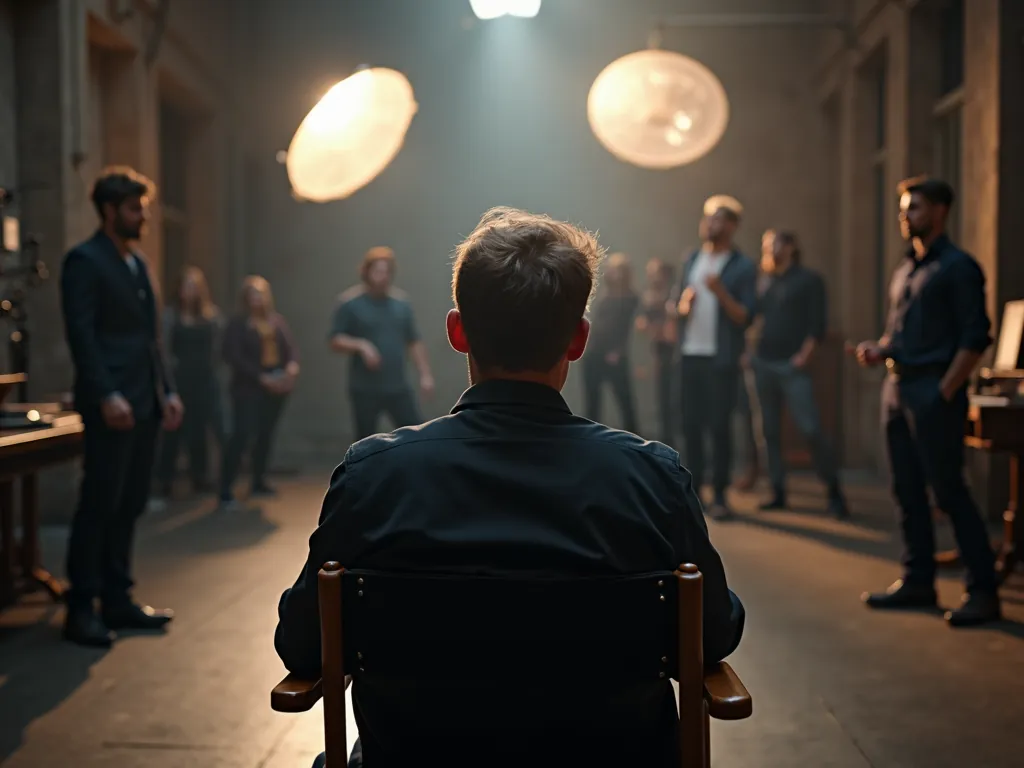
Build the Right Team Before Production Begins
Filmmaking is a collaborative art form.
No matter how talented a director may be, success depends on the people around them.
Essential crew positions often include:
- Director
- Producer
- Assistant Director
- Cinematographer
- Sound Recordist
- Production Designer
- Editor
- Makeup Artist
Hiring crew early allows everyone to contribute during planning.
Their expertise can help identify potential issues before filming begins.
Secure Locations and Permits
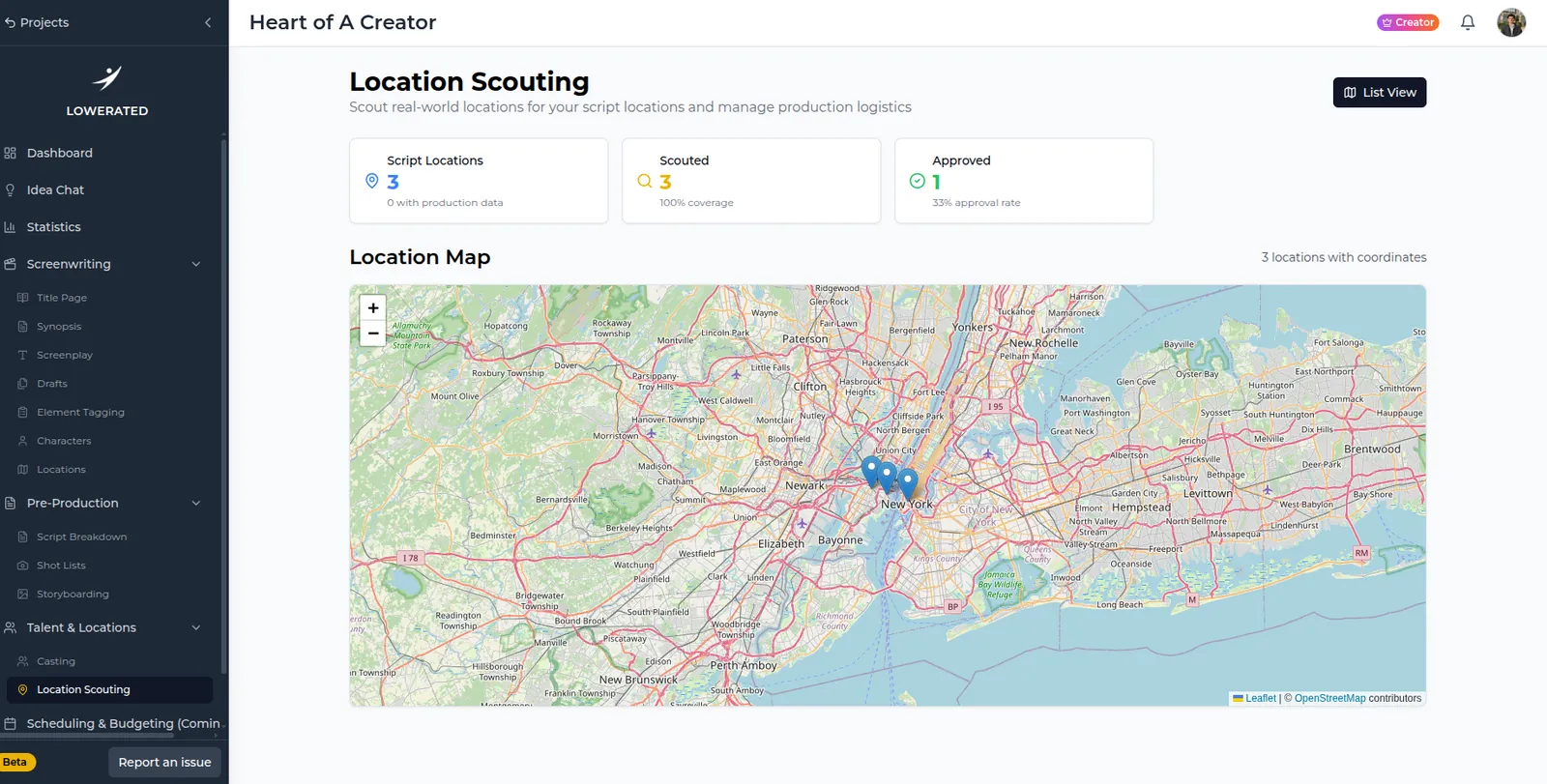
Location Planning for Smooth Production Days
A great location can enhance your story. A problematic location can destroy your schedule.
Before production begins:
- Visit every location
- Assess lighting conditions
- Evaluate sound challenges
- Check accessibility
- Secure permissions
Questions to ask:
- Are permits required?
- Is parking available?
- Are there noise restrictions?
- What happens if weather changes?
The more questions you answer in advance, the fewer surprises you'll face on set.
Plan Your Equipment Needs
Avoid Technical Problems Before Shooting Starts
Equipment failures can cause major production delays.
Create detailed equipment lists covering:
Camera Equipment
- Cameras
- Lenses
- Memory cards
- Batteries
- Monitors
Audio Equipment
- Microphones
- Recorders
- Boom poles
- Wireless systems
Lighting Equipment
- Key lights
- Fill lights
- Modifiers
- Power sources
Always have backup equipment whenever possible.
Create Storyboards and Shot Lists
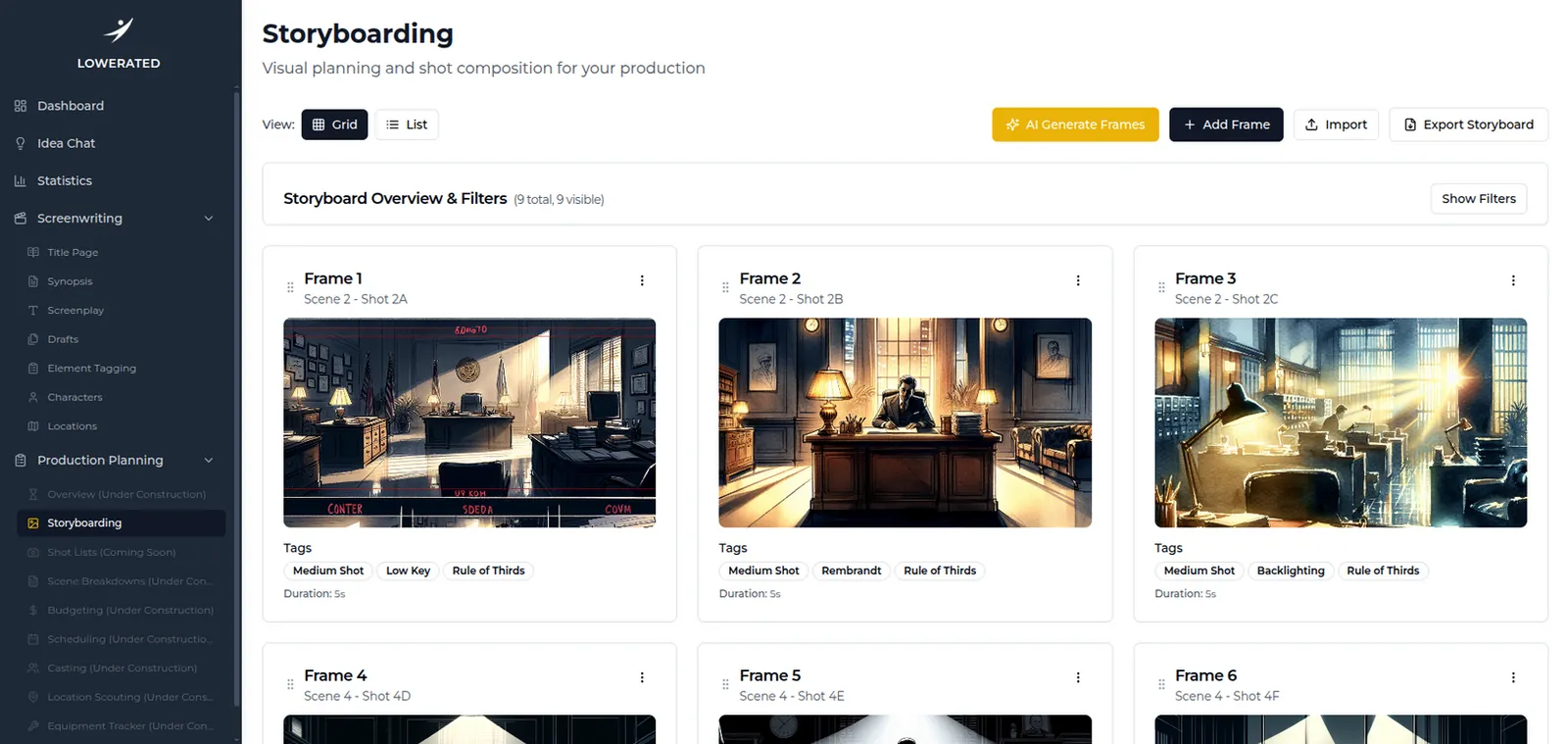
Visual Planning Saves Time and Money
Storyboards help filmmakers visualize scenes before filming.
Benefits include:
- Better communication
- Faster shooting days
- Improved camera planning
- Reduced confusion
Your shot list should include:
- Camera angles
- Lens choices
- Movement requirements
- Special effects needs
Visual planning ensures everyone understands the creative vision.
Prepare Legal and Administrative Documents
Protect Your Production
Many filmmakers overlook legal preparation until problems arise.
Essential documents include:
- Talent agreements
- Crew contracts
- Location releases
- Equipment rental agreements
- Insurance documents
Having paperwork completed before production reduces risk and protects everyone involved.
Build a Communication System
Why Filmmaker Collaboration Platform Solutions Matter
Communication problems are among the biggest causes of production delays.
A dedicated Filmmaker Collaboration Platform helps teams:
- Share schedules
- Exchange feedback
- Track progress
- Organize documents
- Manage tasks
When everyone has access to the same information, productions run more smoothly.
Join a Filmmakers Community Platform for Support
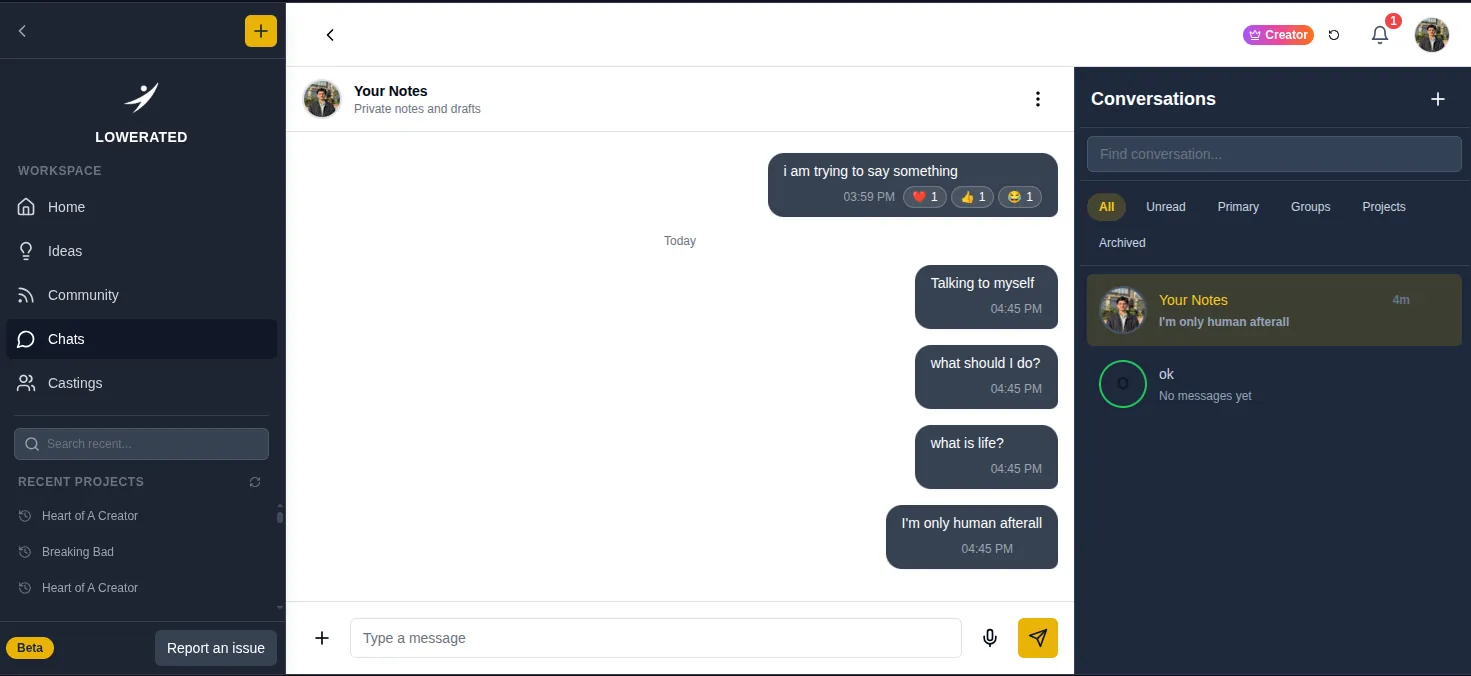
Learn From Other Creators
Filmmaking can be challenging, especially for independent creators.
A strong Filmmakers Community Platform offers opportunities to:
- Find collaborators
- Get feedback
- Discover actors
- Learn production techniques
- Build industry connections
Many successful productions begin with relationships formed through creative communities.
Networking is often as valuable as technical knowledge.
Prepare for Post-Production Before Shooting Starts
Post-Production Filmmaking Begins During Pre-Production
Many creators treat Post-production Filmmaking as a separate phase.
In reality, post-production planning starts before filming begins.
Consider:
- Editing workflows
- File management systems
- Visual effects requirements
- Music licensing
- Color grading needs
Planning ahead helps avoid major challenges later.
Every scene you shoot should support your post-production goals.
How an All-in-One Filmmaking Platform Simplifies Pre-Production
Keeping Everything Organized in One Place
Modern filmmakers often use multiple tools for:
- Scriptwriting
- Scheduling
- Casting
- Collaboration
- Production management
Switching between platforms can create confusion and inefficiencies.
An All-in-one filmmaking platform allows creators to manage every stage of production from a centralized environment.
Instead of juggling multiple applications, filmmakers can streamline workflows, improve communication, and keep projects organized from development through distribution.
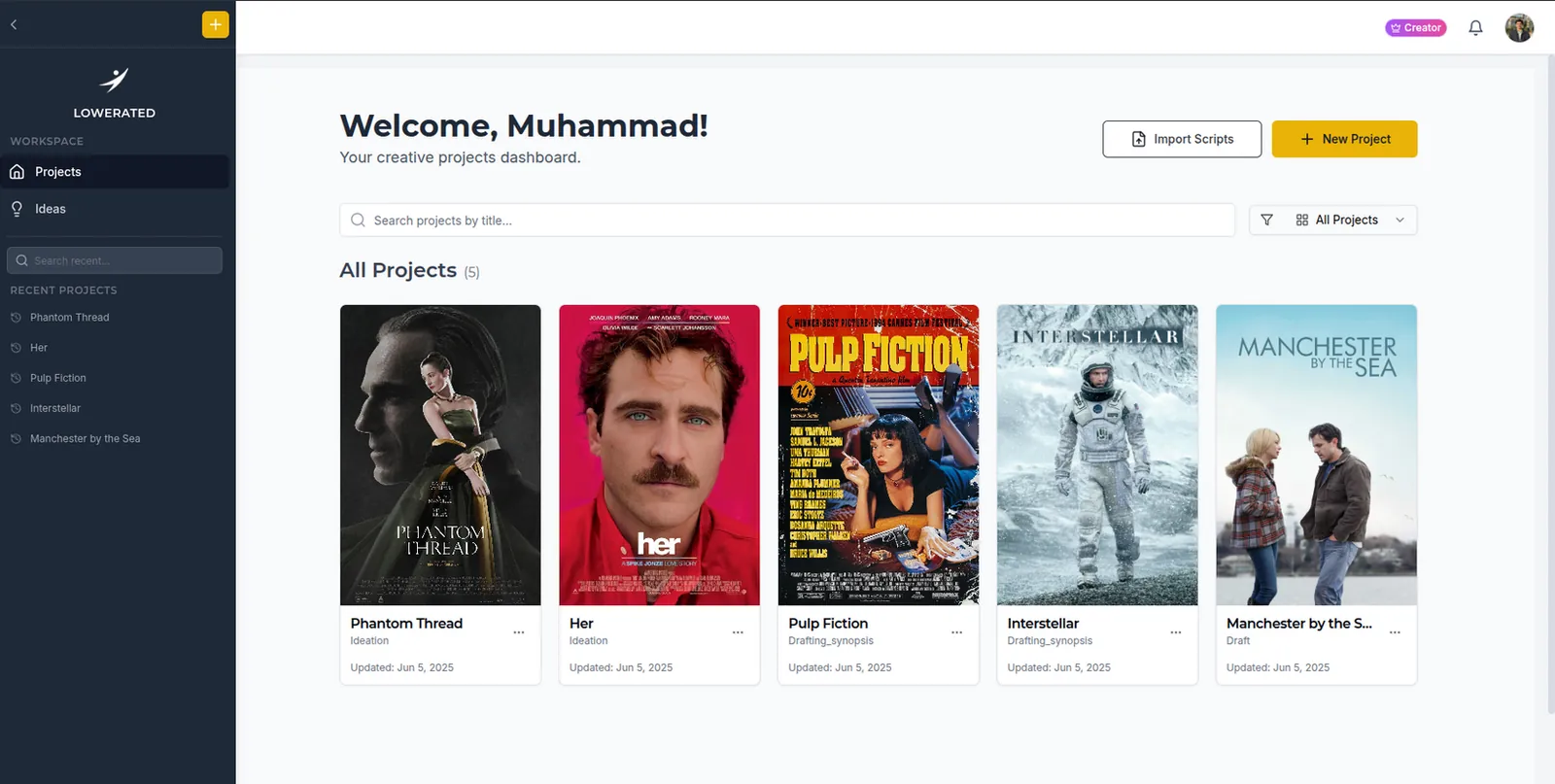
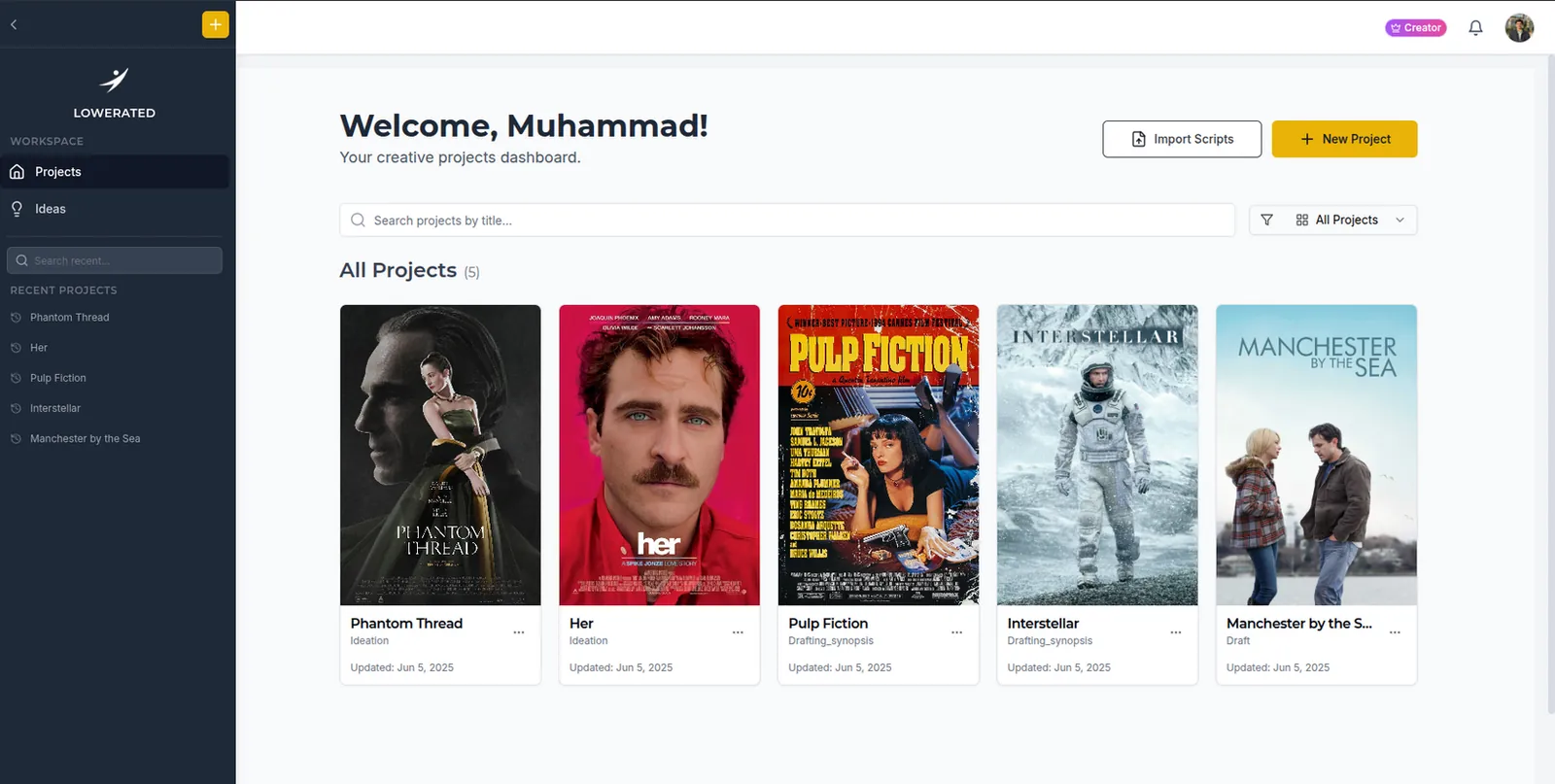
Platforms like Lowerated are designed to help filmmakers move efficiently through both Pre-production Filmmaking and Post-production Filmmaking, enabling creators to focus more on storytelling and less on administrative complexity.
Final Thoughts: Preparation Creates Better Films
Every successful production starts with preparation.
The more thoroughly you plan during Pre-production Filmmaking, the easier production and post-production become.
Before your first shooting day, make sure you've:
- Finalized the script
- Created a realistic budget
- Built a production schedule
- Completed Film Casting
- Organized Film audition and casting calls
- Hired your crew
- Secured locations
- Planned equipment
- Created shot lists
- Prepared legal documents
- Established collaboration systems
- Planned Post-production Filmmaking
Filmmaking will always involve unexpected challenges. However, a strong pre-production process significantly reduces risk and increases the likelihood of creating a successful film.
The best filmmakers don't simply react to problems—they prevent them before they happen.