10 Essential Filmmaking Techniques and Tips to Succeed


By Muhammad Wisal and Muhammad Ali / 5 min read
what are the filmmaking techniques that actually decide whether a first film works?
hi, i'm Wisal. i run Lowerated, and i talk to a lot of people making their first films.
a lot of them. probably too many.
and most of those films don't fall apart because of the camera.
they fall apart because the sound is bad, the script is ten pages too long, or the shoot runs out of daylight on day two.
so here are the ten things i'd check, in the order you'll hit them.
1. Filmmaking and the Power of Storytelling
can you say your film in one sentence?
who wants what, and what's in the way.
if you can't, no lens is going to fix it.
give your main character a goal we can see on screen, and a flaw that costs them something.
stuck on the idea? Oli, the assistant inside Lowerated, will throw loglines at you all day. treat them like a sparring partner. the good one is still yours to find.
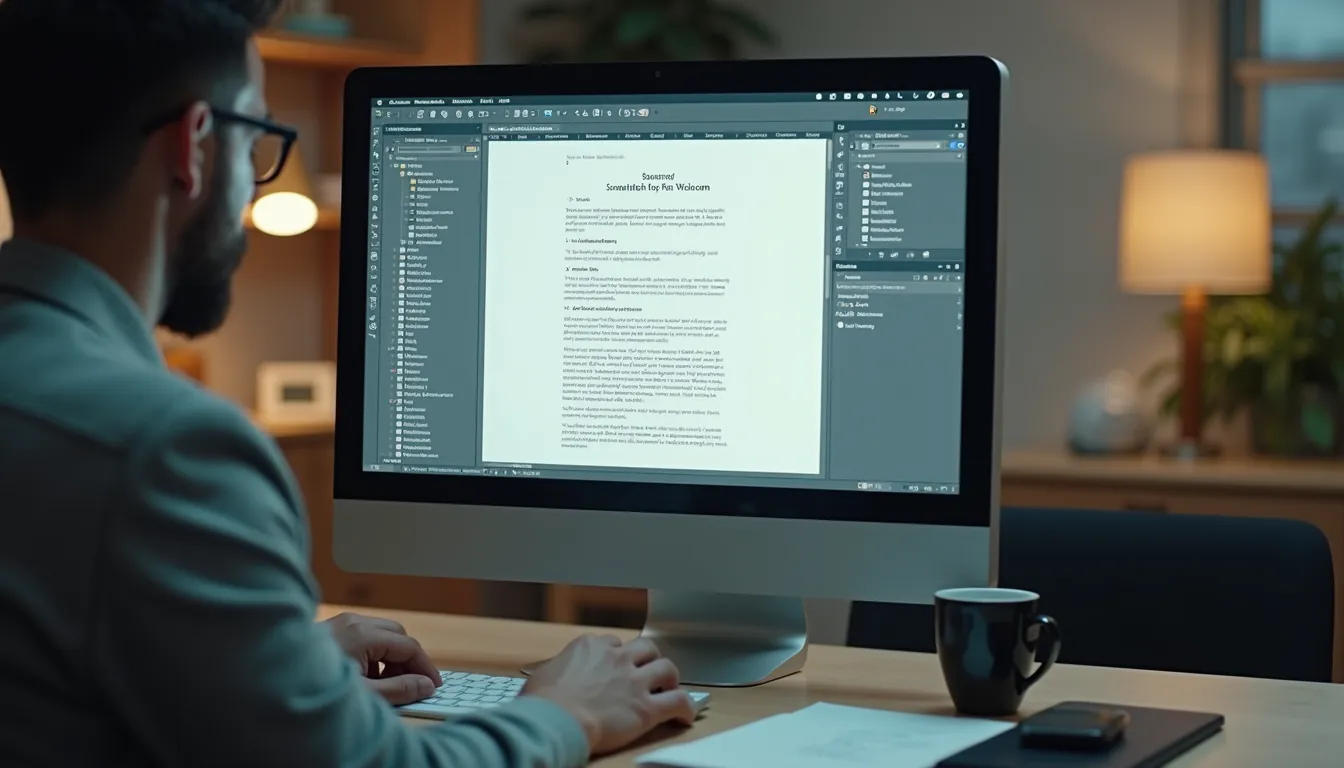
2. Scriptwriting in Filmmaking; Using an AI Script-Writer
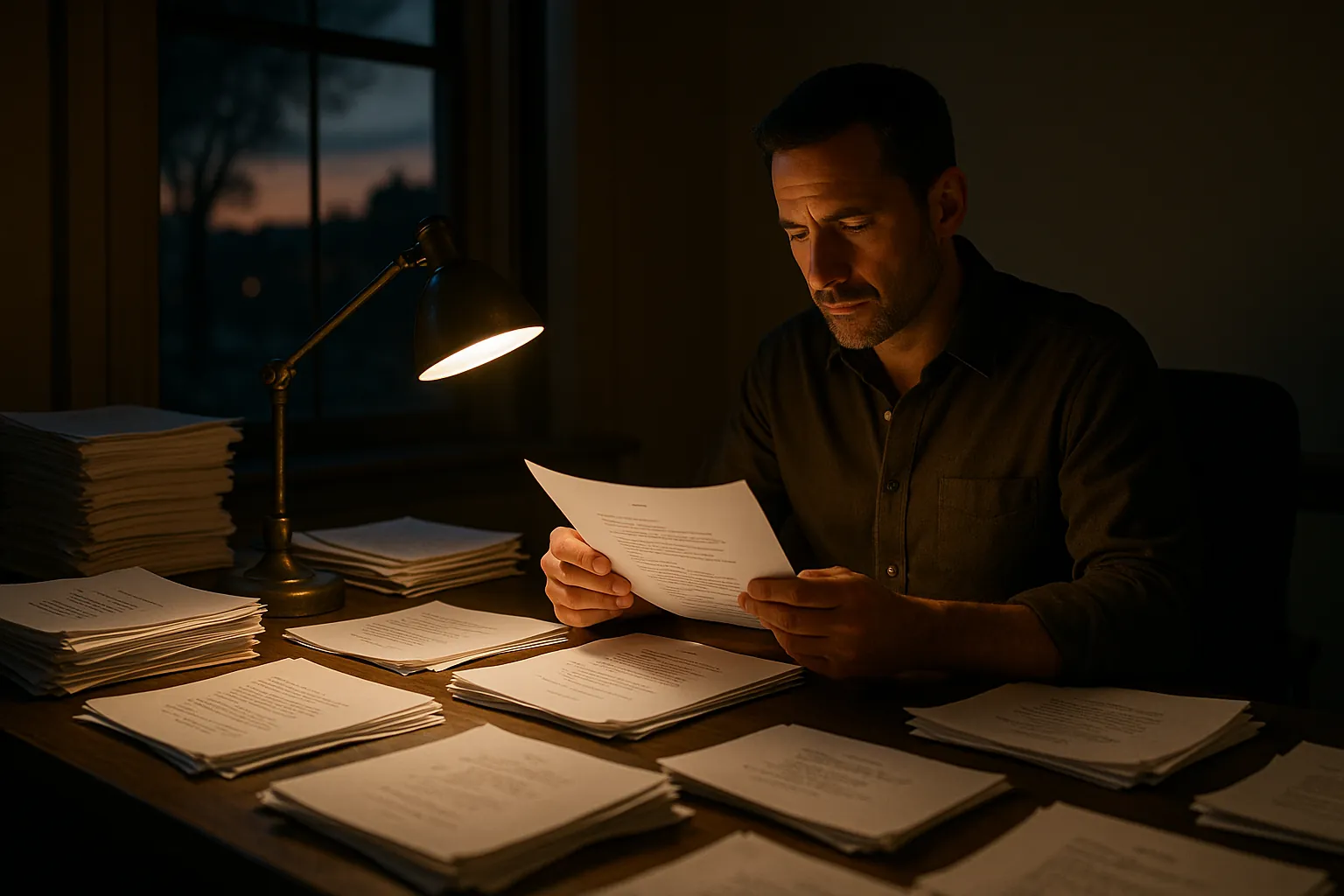
a page of screenplay is about a minute on screen.
so a twelve-page short is a twelve-minute film, and a twelve-minute shoot schedule.
cut it before you cast it.
write only what the camera can see and the microphone can hear.
and read it out loud with other people before you lock it. you'll hear every line that sounds written.
should an AI Script-Writer write it for you?
i built one, and i still say no.
use it for the boring bits: formatting, a few alternate lines to pick from, catching a character whose name changes on page 40.
3. Cinematography: Visual Storytelling in Filmmaking
every shot tells the audience how to feel about the person in it.
open wide so we know where we are. move in as the tension rises.
a low angle makes someone powerful. a high one makes them small.
use the rule of thirds, then break it on purpose when a character feels off balance.
and learn what a 24mm and an 85mm lens do to a face before the shoot. it'll change how you block every scene.
4. Sound Design's Role in Filmmaking Success
this is the one i'd tattoo somewhere.
people will sit through shaky handheld footage. they'll switch off if they can't hear the dialogue.
hire a sound recordist before a second camera operator.
record thirty seconds of room tone at every location. your editor will thank you.
turn the fridge off during takes, and put the car keys in it so nobody goes home without turning it back on.
5. Pre-Production in Filmmaking; The Key to Smooth Shoots
every hour you plan saves several on set, where the whole cast and crew are standing around waiting on you.
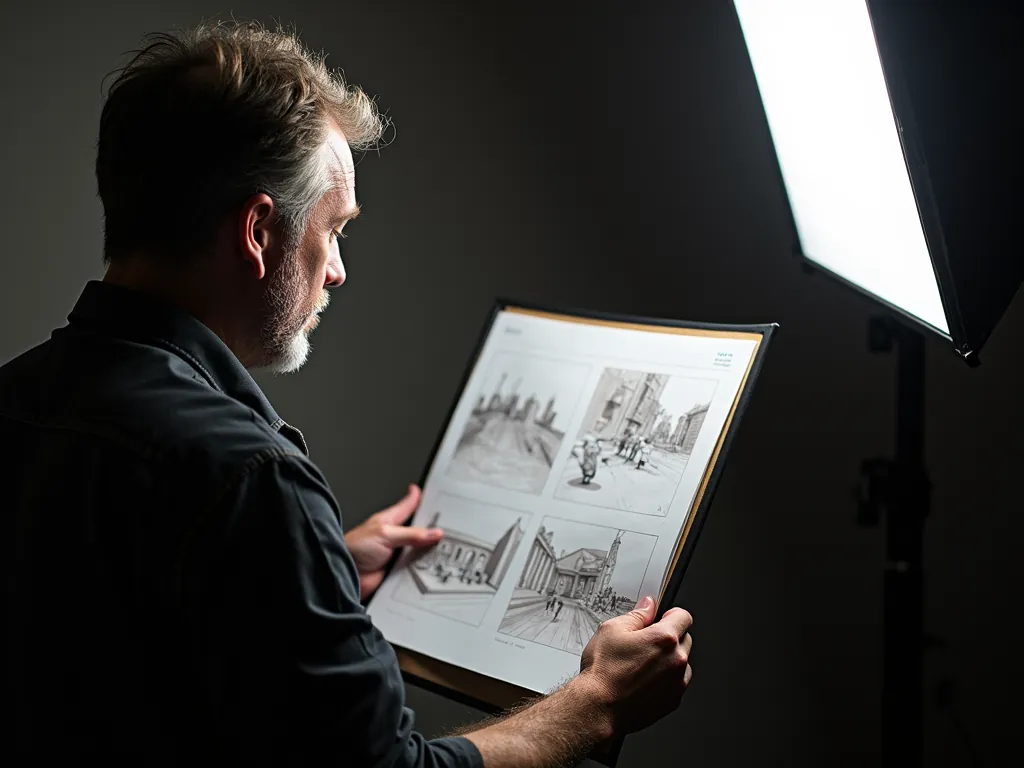
make a shot list for every scene, and mark the shots you'll drop if you run late.
book a cover set, an interior scene you can shoot if rain kills your exterior day.
rehearse with your actors before the shoot, never for the first time on the day.
this is the part we built Lowerated's All-in-one Filmmaking Platform for. you tag the script once, and the breakdown, strip board, schedule and call sheets come from it.
6. Editing in Filmmaking: Shaping the Final Story
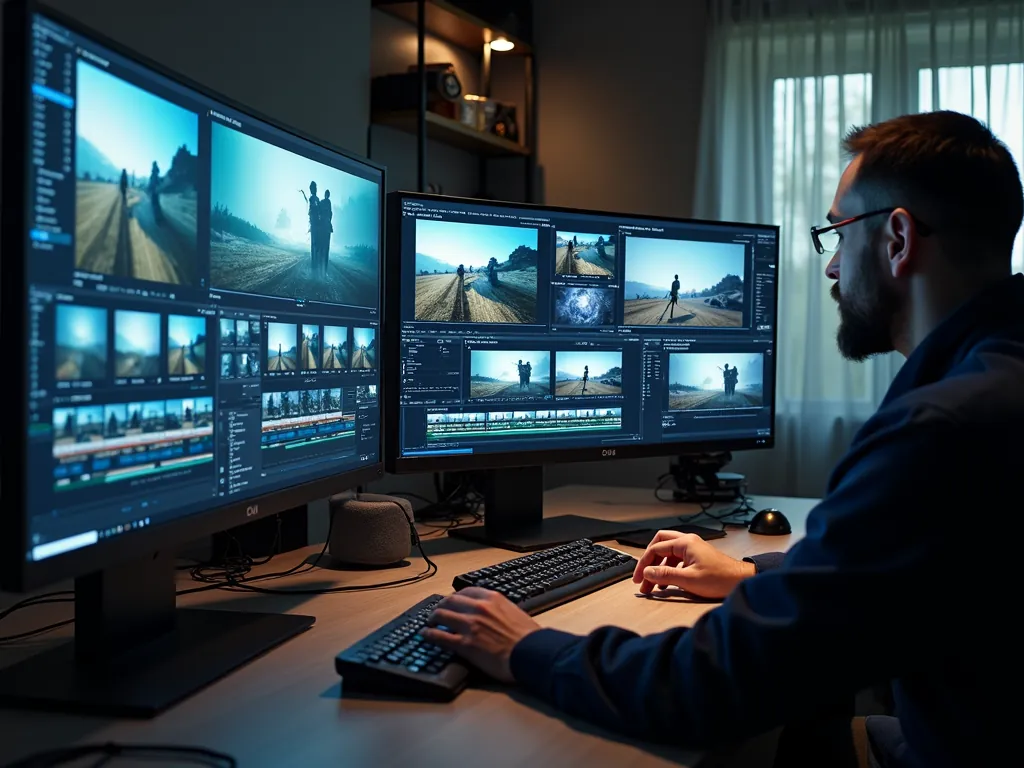
the edit is your last rewrite.
scenes that worked on paper die on screen. a cut you never planned turns into the best moment in the film.
most scenes start too early and end too late, so trim the first and last few seconds of most shots.
use J-cuts and L-cuts, where the sound leads or trails the picture, so dialogue flows across a cut.
and after a big line, leave a pause. people need a second to feel it.
7. Lighting Techniques Every Filmmaking Project Needs
the same kitchen feels safe at noon and threatening at night with one lamp on.
that's lighting.
big soft sources flatter faces. if all you have is a hard light, bounce it off a white wall.
in a thriller, let the shadows hide things. what we can't see scares us more.
schedule exteriors around the sun. golden hour is free, but it lasts about an hour.
learn three-point lighting first: key, fill and back light. then learn when to leave the fill out.
8. Collaboration and Crew Building in Filmmaking
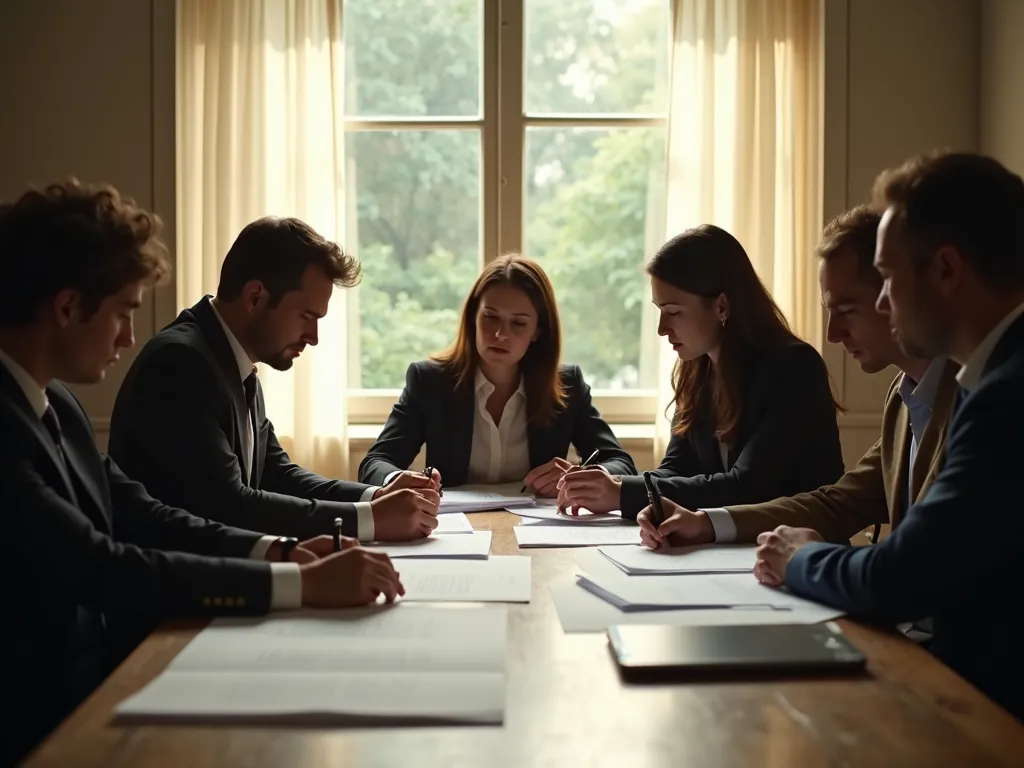
you can't make a film alone, and the people you pick shape it as much as the script does.
on a small set, one calm first AD is worth more than any piece of gear.
send the call sheet the night before, with the call time, the location, parking and the nearest hospital.
ask each head of department what they need, then actually give it to them.
and feed people well. crews remember the catering longer than they remember the film.
9. Technology in Filmmaking; Embracing AI and Smart Tools
a phone shoots 4K now. free software grades it. AI transcribes your takes and cleans up noisy dialogue.
so does that mean AI should run the whole thing?
i don't think so.
use an AI Idea Generator to test a premise fast. use an AI Script-Writer for formatting and alternate lines, then rewrite them in your own voice.
and keep the script, schedule and budget in one place, like Lowerated's All-in-one Filmmaking Platform, so a script change shows up everywhere it should.
the time you save goes back into the parts only you can do.
10. Distribution and Marketing in Filmmaking
a finished film nobody sees is a very expensive hard drive.
pick your festivals early. their deadlines and premiere rules decide where you can show it first.
shoot stills and behind-the-scenes clips on set. you can't go back for them.
and make a page for the film with the trailer, poster and credits, so when a programmer Googles it, they find something.
Why Filmmaking Remains a Powerful Medium
a film puts you inside someone else's life for ninety minutes.
documentaries have changed laws. a five-minute short can travel further online today than a feature did twenty years ago.
for me it was Terrence Malick's films.
then Paul Thomas Anderson's.
i watched cinema one way before them. i've watched it differently ever since.
How Lowerated Supports Filmmaking with AI Tools
we built Lowerated because planning a film was eating the time people wanted for the film itself. it holds the idea, the screenplay, the breakdown, the schedule, the call sheets and a page for the finished film. it doesn't shoot or edit anything. that part's still yours.
The Three Filmmaking Tips That Matter Most
so which of the ten matters most?
idk. if you made me pick three: keep the script short, pay for sound, and plan the shoot so carefully the day feels boring.
a boring shoot day is a good shoot day.
see you in the next one.