Film Audition and Casting Calls: How They Work in the Industry


By Muhammad Wisal and Muhammad Ali / 4 min read

The world of filmmaking is built on stories, visuals, and emotions—but none of it would come alive without the right actors. This is where film audition and casting calls come in. They are the foundation of selecting the perfect talent to bring a script to life. Whether you’re an aspiring actor, a director, or a producer, understanding the process of auditions and casting is essential for navigating the film industry.
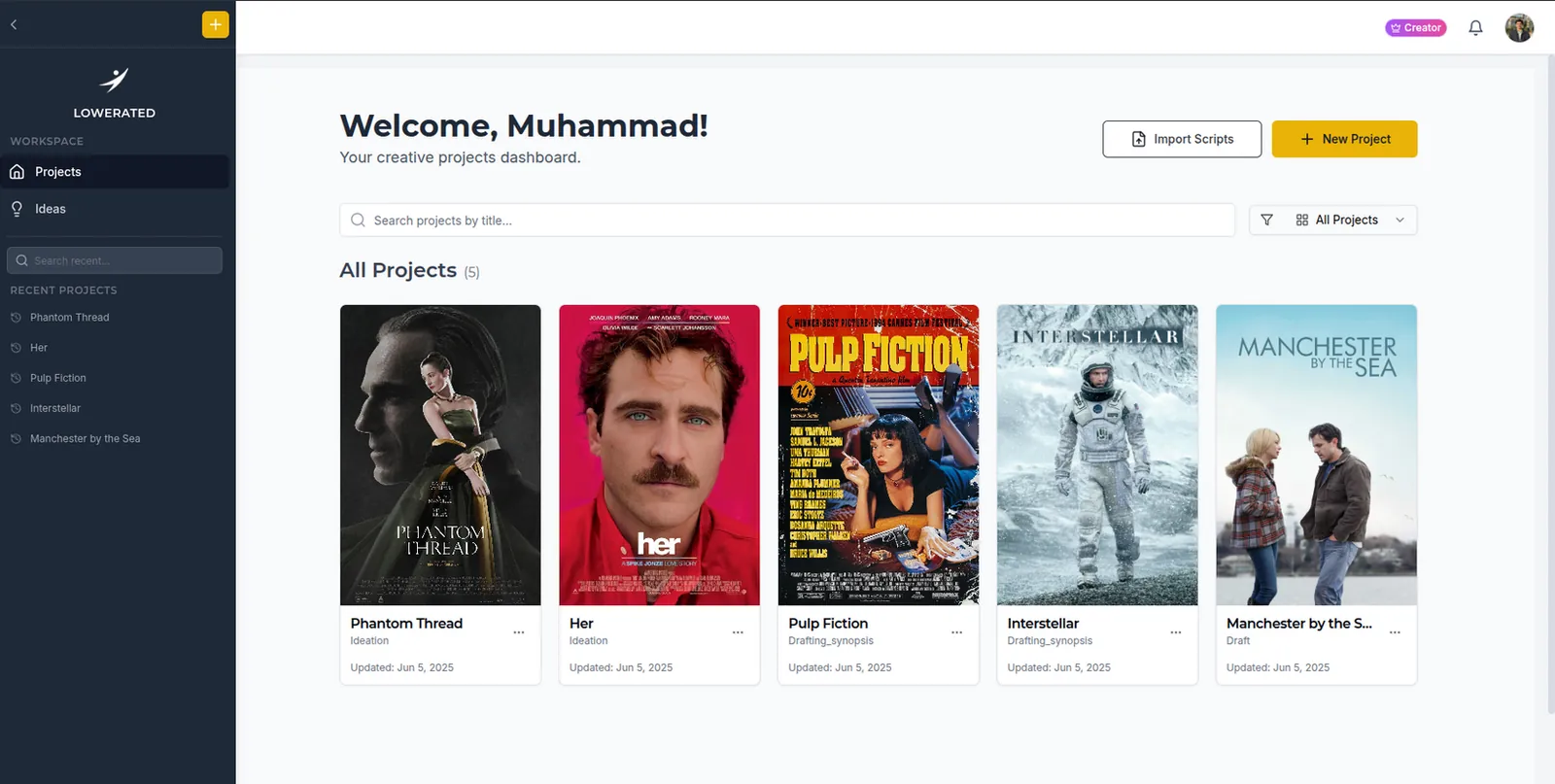
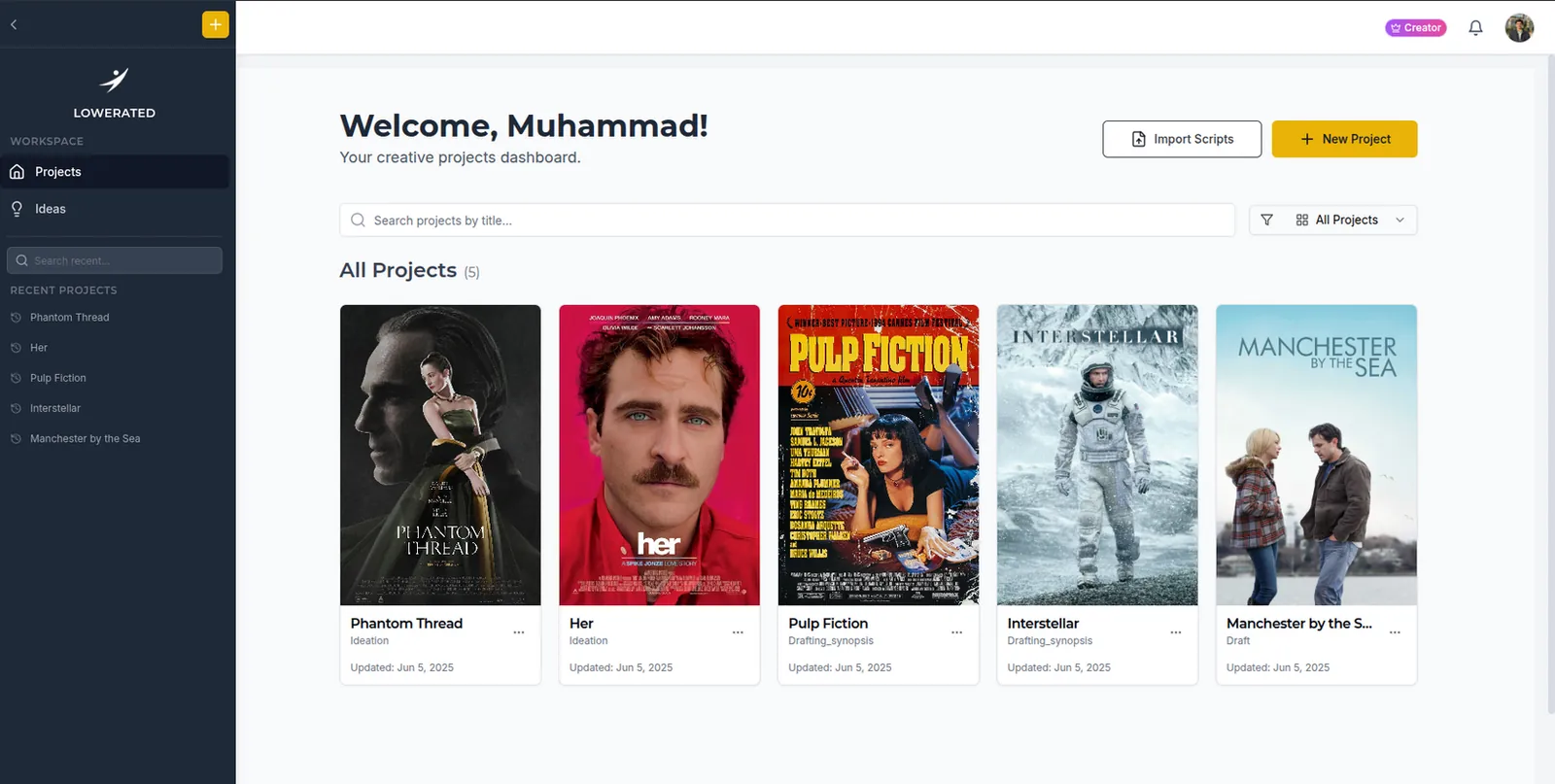
At Lowerated, an All-in-one Filmmaking Platform powered by AI, we simplify the pre-production and post-production journey for storytellers. From idea generation to casting and production planning, our AI Script-Writer and AI Idea Generator make filmmaking smarter, faster, and more creative.

In this blog, we’ll walk you through the complete journey of how film audition and casting calls work in the industry, step by step.
Why Film Audition and Casting Calls Are Essential
Without auditions, filmmakers would struggle to match roles with the right talent. Casting is not just about selecting a face; it’s about finding someone who can carry the emotional weight of the story.
Casting directors and producers rely on auditions to:
- Discover fresh talent.
- Assess acting range and versatility.
- Match actors to the director’s vision.
- Build chemistry between characters.
By understanding the importance of film audition and casting calls, both filmmakers and actors can make the process more efficient and rewarding.
The Casting Process Explained
The casting process typically includes several stages. Let’s break it down:
1. Script Breakdown and Character Profiles
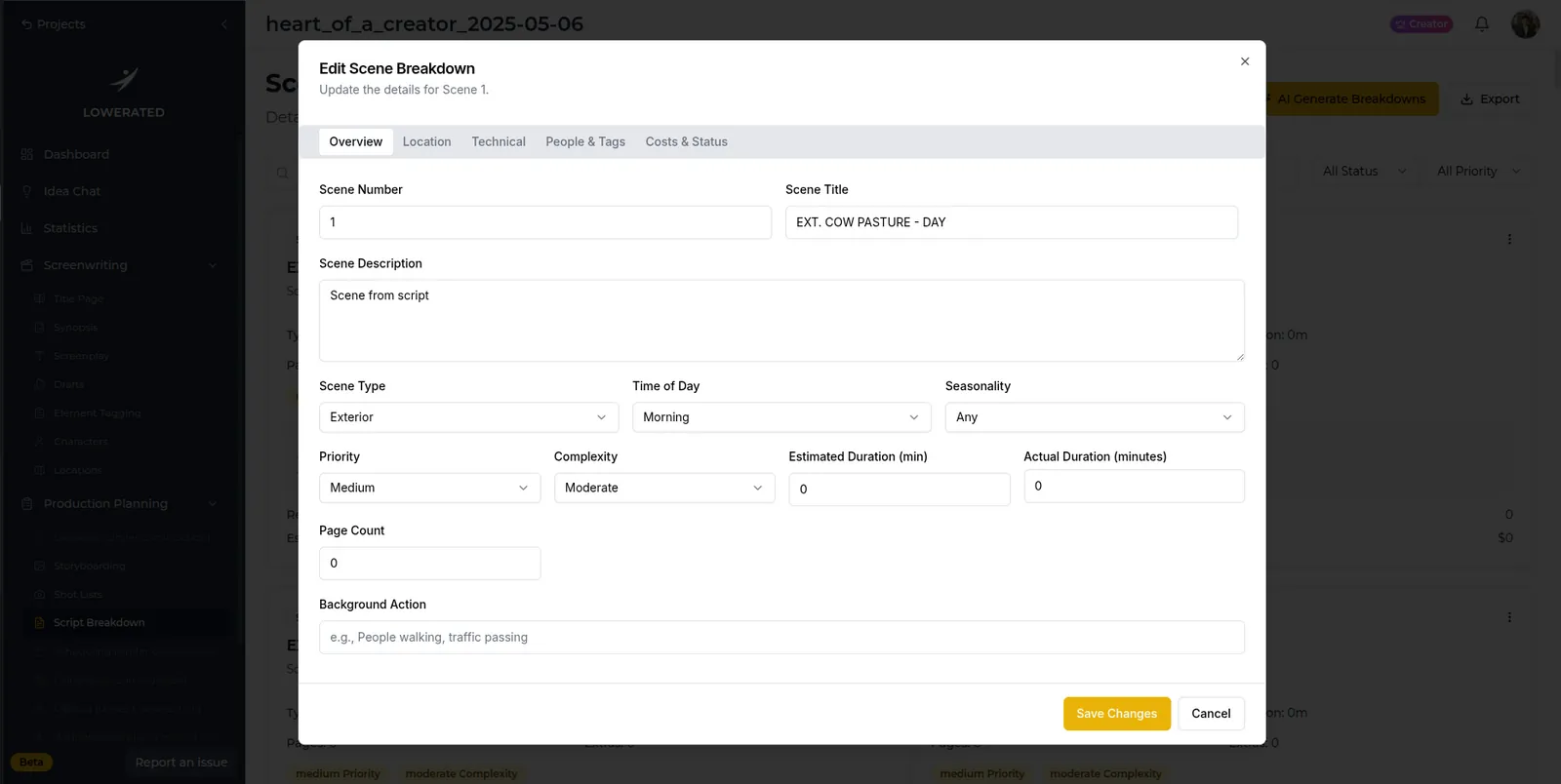
Before auditions even begin, the casting team reviews the script and creates detailed profiles of each character. These profiles include:
- Age range
- Gender
- Personality traits
- Physical features
- Accent or language requirements
This ensures that casting calls attract the right pool of talent.
2. Announcing Casting Calls
Casting calls are public announcements inviting actors to audition. They can be shared through:
- Casting agencies
- Online platforms
- Social media
- Film schools and talent networks
At this stage, film audition and casting calls start to gain attention from aspiring actors.
3. Audition Rounds
Actors are invited to perform specific scenes or dialogues, either in person or online. This helps directors evaluate acting range and suitability for the role.
4. Callbacks
Shortlisted actors are invited back for further rounds of auditions. These often involve chemistry tests with other actors.
5. Final Selection
The director, producer, and casting director make the final decision, ensuring the chosen actor fits the role and the film’s vision.
How Technology Is Transforming Film Audition and Casting Calls
The traditional casting process can be lengthy and costly. Today, technology is making things more accessible.
- Virtual auditions: Actors can submit self-taped auditions from anywhere in the world.
- AI-powered platforms: Tools like Lowerated’s AI Script-Writer and AI Idea Generator help create scripts and breakdowns faster, speeding up the pre-production phase.
- All-in-one Filmmaking Platforms: These tools allow directors to manage auditions, scripts, and production schedules all in one place.
By adopting these innovations, filmmakers save time and money while discovering diverse talent globally.
Tips for Actors: How to Succeed in Film Audition and Casting Calls
If you’re preparing for auditions, here’s how you can stand out:
- Research the role: Understand the script and the director’s vision.
- Practice monologues: Have a few rehearsed pieces ready.
- Stay authentic: Don’t just act—become the character.
- Be professional: Arrive on time, follow instructions, and respect the process.
Remember, auditions are not just about talent but also about professionalism and adaptability.
Tips for Filmmakers: Running Successful Casting Calls
For directors and producers, organizing efficient film audition and casting calls is critical. Here’s how to optimize the process:
- Use clear, detailed casting calls.
- Provide actors with relevant script sides in advance.
- Leverage online platforms for wider reach.
- Utilize AI-driven filmmaking tools for script breakdown and audition planning.
This ensures you attract the right talent without wasting time.
Common Challenges in Film Audition and Casting Calls
While essential, casting is not without hurdles:
- High competition: Thousands of actors often apply for the same role.
- Bias in selection: Casting directors may unintentionally overlook diverse talent.
- Budget limitations: Small productions may struggle to afford professional casting directors.
- Time constraints: Delays in casting can push back the entire production timeline.
Platforms like Lowerated help solve these challenges by streamlining communication and offering AI-powered solutions.
The Future of Film Audition and Casting Calls
The future of casting will be shaped by technology, inclusivity, and efficiency. Here’s what we can expect:
- AI-based talent matching: Casting tools that analyze actor profiles and match them to roles.
- Diversity-focused casting: Greater emphasis on representation across gender, ethnicity, and age.
- Global reach: Online casting calls allowing international actors to audition without borders.
- Data-driven casting: Using audience insights to predict which actors may resonate best with viewers.
Conclusion
The process of film audition and casting calls is central to filmmaking. It ensures that scripts are brought to life by the right actors who can carry the story. While the traditional casting process is effective, modern technology, especially AI and All-in-one Filmmaking Platforms like Lowerated, is revolutionizing the way filmmakers approach casting.
For actors, auditions are opportunities to showcase talent. For filmmakers, they are crucial to finding the right fit for their vision. By understanding the process, embracing technology, and staying prepared, both sides can make the casting experience smoother and more successful.