
Pre-Production Guide for Writers: Building Stronger Stories


By Muhammad Wisal and Muhammad Ali / 4 min read

When it comes to filmmaking, the magic doesn’t start on set; it begins long before the cameras roll. Pre-production is the backbone of every great movie, and for writers, it’s where stories are strengthened, refined, and built to stand out on screen. Without a strong foundation in pre-production, even the most brilliant ideas risk getting lost in translation.
At Lowerated, an All-in-one Filmmaking Platform, we’ve seen how the right tools, such as an AI Script-Writer and an AI Idea Generator, can transform early story concepts into polished scripts ready for production. This guide will walk you through everything a writer needs to know about pre-production, offering practical insights and tips to help you build stronger, more cinematic stories.
Why Pre-Production Matters for Writers
Pre-production isn’t just a stage; it’s the creative laboratory where your story evolves. For writers, this phase ensures that:
- Your script aligns with the vision of the film.
- Story structures are clear, compelling, and production-ready.
- Potential issues, budget, locations, or character arcs, are identified early.
By investing time in pre-production, writers not only enhance storytelling but also save the entire filmmaking team from costly mistakes later on.
1: Idea Generation in Pre-Production
Every story begins with an idea, but not every idea is ready for screenwriting. Writers often get stuck between concept and execution.
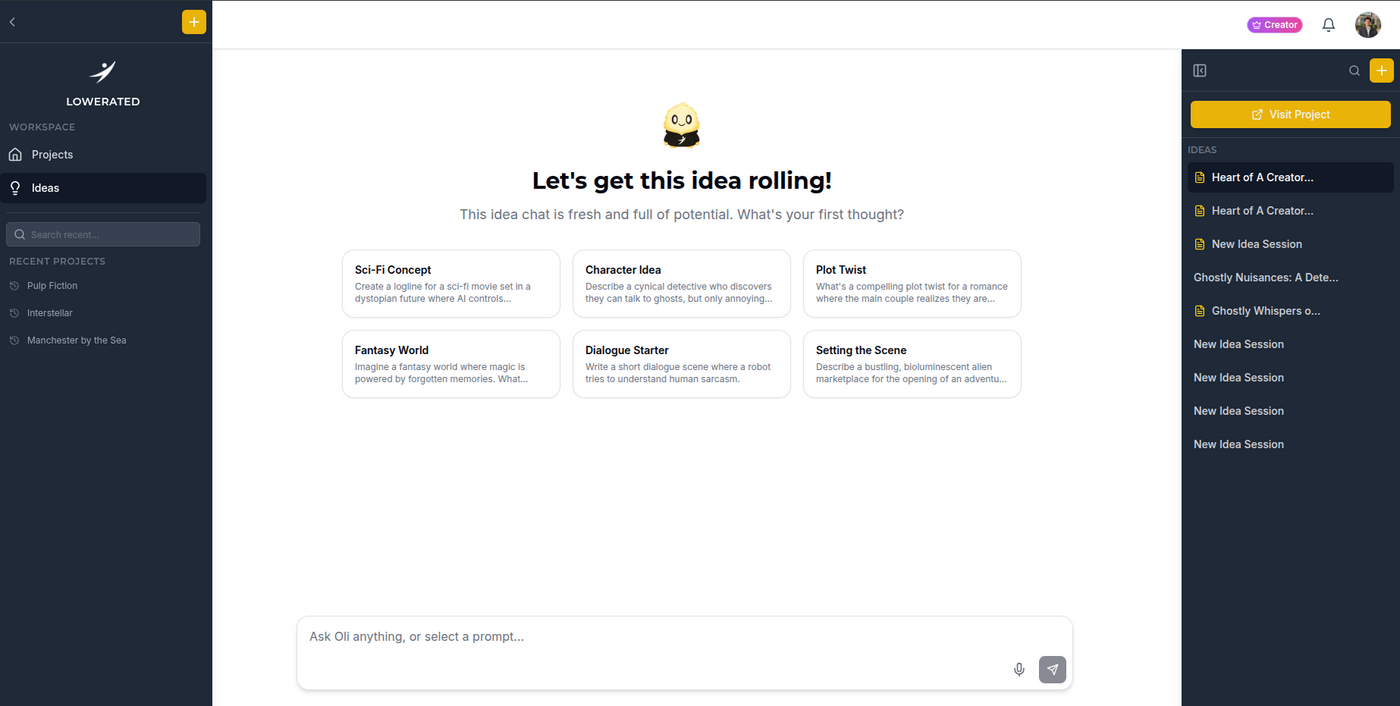
Using AI Idea Generators to Spark Creativity
With platforms like Lowerated’s AI Idea Generator, filmmakers and writers can instantly brainstorm loglines, character arcs, or even alternate endings. This doesn’t replace creativity; it enhances it by giving writers more perspectives and directions to explore.
Imagine being able to test ten different versions of your concept before committing to one. That’s the power of using AI during pre-production.
2: Scriptwriting and Story Development
Once the idea is set, the next step in pre-production is scriptwriting. This phase is about translating your idea into a screen-ready blueprint.
Building Stronger Stories with an AI Script-Writer
Lowerated’s AI Script-Writer helps writers speed up the process by drafting dialogue, structuring scenes, and refining pacing. Instead of staring at a blank page, writers can start with an AI-assisted draft and then polish it with their unique voice.
Some benefits include:
- Consistent tone and style throughout the script.
- Scene-by-scene breakdowns for clarity.
- Faster revisions and editing cycles.
This makes script development more efficient, leaving writers with more time for creativity. 3 : Planning the Story in Pre-Production
A script without a plan is like a roadmap without directions. Writers must collaborate with directors and producers during pre-production to ensure the story aligns with production realities.
Storyboarding and Visual Planning
Storyboards and shot lists help writers see how their words translate visually. This step not only strengthens the narrative flow but also helps avoid confusion on set.
Budgeting for Story Elements
Sometimes a writer imagines a space battle, but the production budget only allows for a smaller-scale scene. Addressing these issues in pre-production ensures that the story stays impactful within constraints.
4: Collaboration in Pre-Production
Writers rarely work alone during filmmaking. Pre-production is when collaboration happens between writers, directors, cinematographers, and producers.
Aligning Vision Across the Team
This collaboration ensures that everyone, from the writer to the production designer, understands the story’s emotional beats. Writers gain valuable feedback that strengthens the script before shooting begins.
Pre-Production Tools That Empower Writers
Today’s filmmakers have more resources than ever. Platforms like Lowerated provide tools that simplify pre-production:

- AI Idea Generator: for brainstorming multiple story concepts.
- AI Script-Writer: for structuring and refining scripts.
- All-in-one Filmmaking Platform: to manage everything from planning to distribution.
These tools aren’t about replacing human creativity,; they’re about eliminating roadblocks so writers can focus on what matters: storytelling. Common Mistakes Writers Make in Pre-Production
Even seasoned writers fall into traps during pre-production. Some common mistakes include:
- Skipping research: leading to unrealistic characters or settings.
- Overwriting scenes: making the script longer than production can handle.
- Ignoring collaboration: not involving directors or producers early enough.
- Forgetting pacing: creating a script that drags in the middle.
By using a structured pre-production approach, these pitfalls can be avoided.
How Lowerated Supports Writers in Pre-Production
At Lowerated, we believe in giving writers tools that empower their vision. Our AI-driven solutions simplify every step of pre-production; from brainstorming to script finalization.
Whether you’re an independent filmmaker or part of a larger studio, our All-in-one Filmmaking Platform ensures smoother workflows, more creative freedom, and fewer production headaches.
Conclusion:
For writers, pre-production is where good stories become great films. By focusing on idea generation, script development, collaboration, and planning, you create a strong foundation for filmmaking success.
With the right tools, like those offered by Lowerated, writers can build stronger stories that not only connect with audiences but also transition smoothly from page to screen.
If you’re ready to take your storytelling to the next level, explore how Lowerated’s AI Script-Writer, AI Idea Generator, and All-in-one Filmmaking Platform can transform your pre-production process.


