How to Write Character Profiles for a Screenplay (With a Template)


By Muhammad Wisal and Muhammad Ali / 7 min read
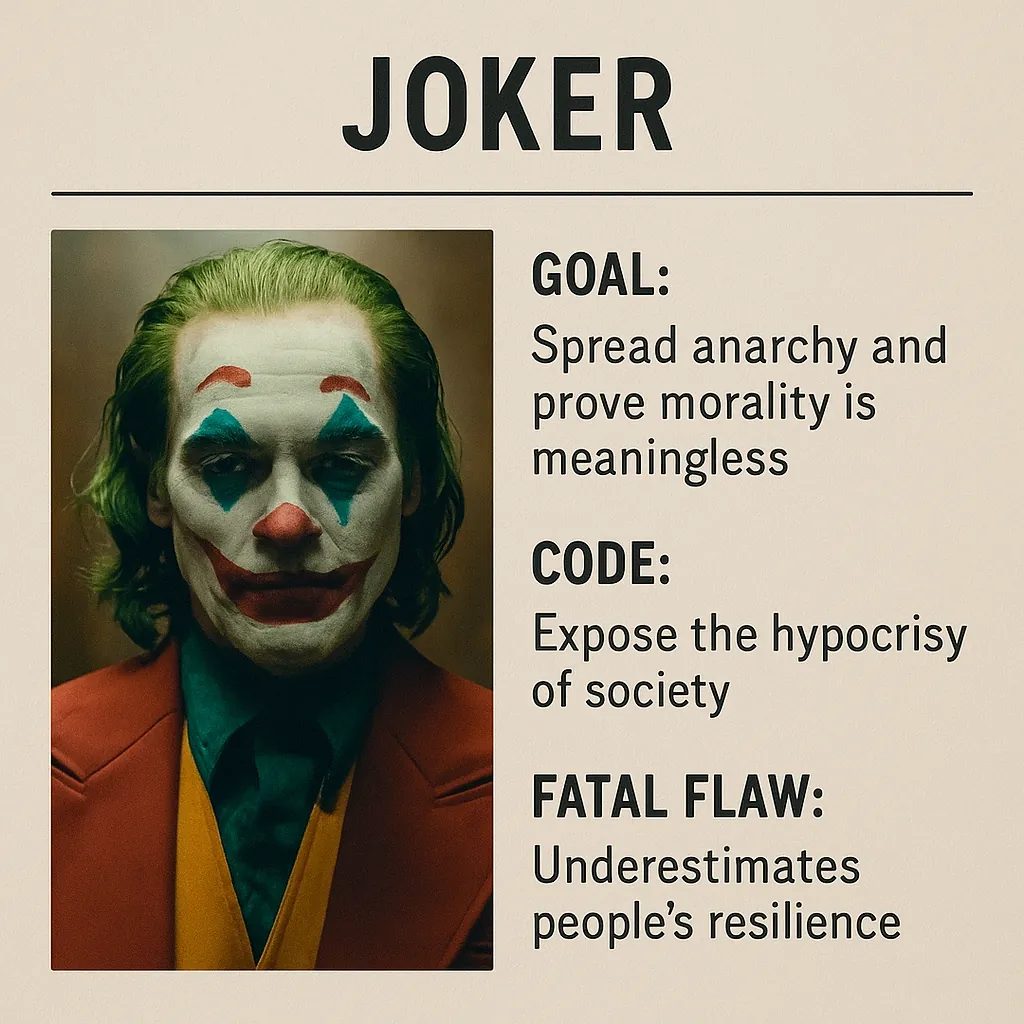
A character profile for a screenplay is a one page working document that records what a character wants, what they need, what stands in their way and how they change. Write one for each lead before you outline, keep it short enough to reread, and only include details that will show up in what the character does or says on screen. A copyable template and a filled-in example are below.
What is a character profile in screenwriting?
A character profile is the writer's private reference for one character. It never goes to the audience and rarely goes to a reader. Its job is to keep the character consistent across 100 pages and many drafts, and to give you answers when a scene stalls: what would this person do here, and why?
A novelist can tell the reader what a character thinks. A screenwriter cannot. Everything in the profile has to turn into behavior, choices and dialogue, which is why a screenplay profile focuses on goals, conflict and change more than on favorite foods and star signs.
When should you write character profiles?
Write profiles after you have the premise and before you outline. At that point you know the story's situation, and the profile tells you who is going to drive it. Revisit them after the first draft, because characters often change on the page and the profile should follow the version that works.
You do not need the same depth for everyone. Leads get the full template. Supporting characters get a short version. Characters with one or two lines need a name, a function and one specific detail.
Character profile template
Copy this table into your notes and answer each question in one or two sentences. If an answer runs longer, it probably belongs in the outline instead.
| Field | Question to answer |
|---|---|
| Name, age, role | Who are they and what is their function in the story (protagonist, antagonist, mentor, ally)? |
| One-line summary | Describe them in a single sentence that includes a contradiction. |
| Want | What do they consciously chase during the story? It should be visible and specific. |
| Need | What do they actually need to learn or accept, usually without knowing it? |
| Wound or misbelief | What happened before page one that shaped a wrong belief they act on? |
| Flaw | Which habit or trait keeps getting them into trouble? |
| Stakes | What do they lose if they fail? |
| Voice | How do they talk? Long or short sentences, formal or loose, what they avoid saying. |
| On-screen details | Two or three things the camera can see: clothes, objects, habits. |
| Key relationships | Who matters most to them, and what do they want from each person? |
| Secret | What are they hiding, and from whom? |
| Line they won't cross | What would they never do, at least at the start? |
| Arc | Who are they on page one, and who are they on the last page? |
What does a completed character profile look like?
Here is the template filled in for the lead of a short film called "Last Crossing", about the final week of a small ferry route that is being shut down.
| Field | Idris Bekele |
|---|---|
| Name, age, role | Idris Bekele, 52, ferry captain. Protagonist. |
| One-line summary | A man who has carried a whole island's people for 20 years and has never once asked anyone for help. |
| Want | To keep the ferry running by collecting enough signatures to force a council vote. |
| Need | To accept that the route is ending and let his daughter see him as more than the job. |
| Wound or misbelief | His father's fishing business folded and his father never recovered. Idris believes that if the work stops, he stops. |
| Flaw | He treats every problem as a mechanical one he can fix alone. |
| Stakes | His job, his standing on the island, and his last chance to repair things with his daughter before she moves away. |
| Voice | Short, practical sentences. Talks about the engine when he means something personal. |
| On-screen details | Oil under his nails, a laminated timetable he still checks, a thermos he refills for passengers. |
| Key relationships | Selam (daughter, 24): wants her to stay. Councilor Brandt: wants him to admit the vote is lost. |
| Secret | He was offered a job on the mainland ferry and turned it down without telling anyone. |
| Line he won't cross | He will not skip a scheduled crossing, even in bad weather. |
| Arc | From "the ferry is who I am" to steering the last crossing with Selam at the wheel. |
Every row points to something you can film. The thermos, the timetable and the refused job offer are each a scene waiting to be written. That is the test of a useful profile.
How do you write a character profile step by step?
- Start with the role in the story. Decide what this character does for the plot before deciding who they are. A mentor and an antagonist need different things from you.
- Set the want and the need. The gap between them is where the arc lives. If want and need are the same, the character has nowhere to go.
- Find the wound. Pick one event before the story begins that explains the flaw. One clear wound beats a long backstory.
- Write the voice. Draft five lines of dialogue in their voice, on any subject. If they sound like every other character, change how they talk.
- Choose on-screen details. Pick specific objects, clothes or habits that reveal character without dialogue.
- Map their relationships. For each important person, write what this character wants from them. A character relationship map helps once you have more than three characters.
- Write the arc in two sentences. Who they are at the start, who they are at the end. The guide to character arcs covers positive, negative and flat arcs.
What are common mistakes with character profiles?
- Writing a biography. Ten pages on childhood, schools and pets gives you nothing to film. Keep only what changes a choice.
- Wants that are feelings. "To be happy" is too vague to film. "To win back the bakery from her brother" gives you scenes.
- Every character with the same flaw. Stubbornness in the lead, the friend and the villain makes them blur together.
- Antagonists without a profile. A villain who only exists to block the hero feels thin. Give them a want they believe is right. See how to write a compelling antagonist.
- Never updating the profile. If the character changed in draft two, the profile from draft one will pull you in the wrong direction.
How do character profiles help after the script is written?
A good profile is also the starting point for the casting breakdown: the short character description sent to actors and agents. Age range, role, one-line summary and a sense of voice all come straight from it. When you are ready to cast, see how to write a casting call. Directors and actors also use the want, need and secret rows in rehearsal, so keep a clean version you are happy to share.
How to build character profiles in Lowerated
In Lowerated, the characters page is built from your script, and each character gets an AI-drafted profile you can then edit into your own.
- Write or import the script. The characters page is built from the screenplay.
- Open the characters page. Each character appears with an AI-drafted profile.
- Rewrite the profile. Treat the draft as a starting point. Add the want, need, wound and secret from the template above.
- Use it for casting. The same characters are there when you move into casting.
The characters page built from a screenplay, with a profile for each character.
The clip shows casting kept together with the screenplay and its characters.
Both live in the scriptwriter, which you can try on the free plan.
FAQ
How long should a character profile be?
About one page for a lead and a few lines for a supporting character. If you cannot reread it in two minutes, it is too long to be useful while writing.
Do professional screenwriters write character profiles?
Many do, in some form: notes, a page per character, or answers inside the outline. The format matters less than knowing the want, need and arc before you draft.
Should a character profile include physical description?
Only what matters to the story or to casting, such as an age range or a visible detail the plot uses. Exact height and eye color usually narrow casting for no reason.
What is the difference between a character profile and a character breakdown?
The profile is the writer's private working document. A character breakdown is a short public description for casting, usually a few lines drawn from the profile.
Key takeaways
- A screenplay character profile is about goals, conflict and change, written as things the camera can see.
- The gap between want and need is where the character's arc comes from.
- Give leads a full page, supporting roles a few lines, and update profiles after each draft.
- Test every detail by asking which scene it will appear in.
- The profile later feeds the casting breakdown and rehearsals.