How to Become a Film Director


By Muhammad Wisal and Muhammad Ali / 7 min read
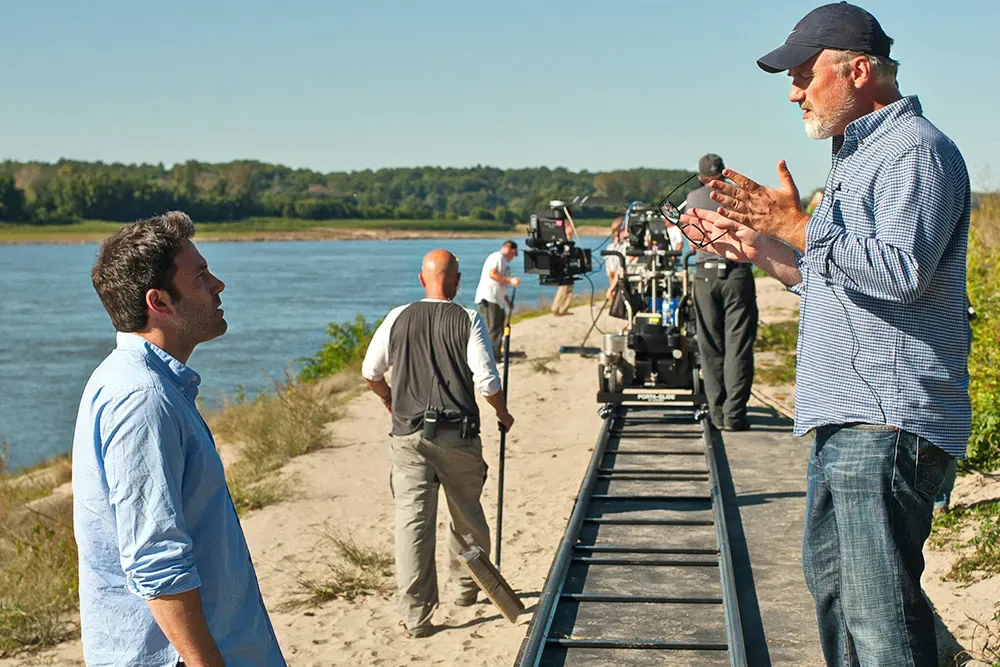
you become a film director by directing films. start with short ones you make yourself, and build a body of work that shows you can tell a story with actors and a camera.
there's no license and no required degree.
most directors get there through some mix of film school or self-study, short films, work on other people's sets, and festivals or online releases that get their work seen.
What does a film director actually do?
a film director makes the creative choices that turn a script into a film.
in prep, the director breaks the script down for meaning, casts the actors with the casting director and producer, plans the shots with the cinematographer and signs off on the look with the production designer.
on set, the director stages scenes, works with the actors on each take and decides when a scene is covered.
in post, the director sits with the editor through the cuts, then with the sound and music teams.
the director doesn't run the set's logistics. that's the 1st AD's job. the director usually doesn't control the money either. the producer does.
knowing where your job starts and ends is part of the skill. our guide to film crew roles explains who does what.
Do you need film school to become a director?
film school is one route to directing. you don't need it, and a lot of working directors never went.
school gives you structured practice, equipment, deadlines, and classmates who turn into your crew later. it costs money and years.
the other route is learning on sets and making your own work. that gives you the same practice if you're disciplined about it.
a fair way to decide: if you can afford school without big debt and you want the network, it's a strong option.
if you can't, nothing stops you from starting this year with a phone, a few friends and a short script. we compare both routes in film school vs learning on set.
Christopher Nolan's first feature, Following (1998), is the usual example. it was shot in black and white on 16mm for a reported $6,000, mostly on weekends, with friends as cast and crew. its festival run helped him get the money for Memento.
How do you become a film director, step by step?
- watch films as a director. pick one scene you love and break it down shot by shot. where's the camera, when does it cut, what is each actor doing? do this often and you start seeing the choices behind the scene, which is what you need to make your own.
- learn the basic craft. shot sizes, coverage, the 180-degree rule, blocking, and how an edit gets built. you don't need to be an expert camera operator. you do need to speak your crew's language.
- make a one-scene film. two actors, one location, two to three pages. plan it, shoot it in a day, edit it. finishing something small teaches you more than starting something big.
- make short films on a cycle. aim for a finished short every few months. each one should test a skill you're weak at: performance, comedy timing, movement, night exteriors.
- work on other people's sets. crew as a production assistant, a script supervisor's assistant or a grip on student and indie films. you learn how a set runs, and you meet the people who'll crew your films.
- get your work seen. send your best shorts to festivals that fit them, and put others online. a short that screens gives you a reason to meet producers.
- develop a feature. once you've got two or three strong shorts, attach yourself to a feature script, ideally with a producer. a lot of first features grow out of a short that proved the idea.
What skills does a director need?
a director needs story judgment, a way of talking to actors, working knowledge of the camera, and the nerve to decide fast under pressure.
here's how those break down, and how to practice each one.
| Skill | What it looks like on set | How to practice it |
|---|---|---|
| Script analysis | Knowing what each scene is about and what has to change by its end | Write a one-line purpose for every scene in a script you like |
| Working with actors | Giving playable notes ("you want her to stay"), never result notes ("be sadder") | Take an acting class; direct scene work with local actors |
| Visual storytelling | Choosing where the camera goes and why | Shot list every scene before you shoot; compare to what you got |
| Coverage and editing sense | Knowing you have enough to cut the scene before you move on | Edit your own shorts, then watch an editor cut them |
| Decision making | Cutting a setup when the day runs long, without losing the scene | Rank every shot A, B or C in prep |
| Leadership | Keeping a tired crew calm and focused | Run small sets; ask your crew afterward what you could do better |
two of these deserve extra time. our guides on directing actors and planning coverage go deeper.
A worked example: a first-year plan for a new director
here's a first-year plan for someone with a day job, no film school and no contacts.
call her Priya. she lives in a mid-sized city and has a phone, a laptop and two friends who act in community theater.
| Months | Goal | Output |
|---|---|---|
| 1 to 2 | Learn the language | Shot by shot breakdowns of five scenes; an online course on directing basics |
| 3 | Finish something | "Last Bus," a 3 minute film: two strangers at a bus stop, one night, one location |
| 4 to 5 | Learn how sets run | Crews as a PA on two student films; collects contacts for a DP and a sound recordist |
| 6 to 8 | Direct with a real crew | "Second Shift," an 8 minute short with a DP, sound recordist and four actors, shot over two weekends |
| 9 to 10 | Finish and test | Edits with a volunteer editor, holds a small test screening, recuts |
| 11 to 12 | Get it seen | Submits to a short list of festivals that suit it; builds a simple portfolio page |
none of this guarantees a career.
it does leave Priya with two finished films, real set experience and a small crew she can call again. most directing careers are built on exactly that.
How do directors get their first paid job?
a director's first paid job usually comes from smaller formats before features. music videos, branded content, commercials, corporate video, episodes of a web series.
producers hire directors whose past work shows they can deliver. so your shorts are your portfolio.
keep a short reel and a portfolio page with your best two or three films. when you hear about a project that fits, send it with a short, specific note.
relationships matter a lot here, which is why the time on other people's sets pays off. see our notes on networking for filmmakers.
union membership depends on your country.
in the US, the Directors Guild of America represents directors and assistant directors, and joining is tied to working on productions that have agreements with the guild. rules differ elsewhere, so check with the directors' guild or union where you live.
What are common mistakes new directors make?
- starting with a feature before finishing a single short, then running out of money halfway.
- spending the budget on camera gear and starving sound, food and the actors' time.
- showing up on set without a shot list, so the day goes to deciding and the shooting waits.
- giving actors result notes ("make it bigger") when they need something they can play.
- trying to do every job, then directing badly because you're also producing, shooting and catering.
- making films only for festivals and never releasing them, so nobody sees the work.
How do you plan your first short as a director?
planning your first short is where a new director makes the most difference.
lock the script. break it down. make a shot list, schedule the days, and send a call sheet the night before each shoot.
if you want those planning documents in one place, Lowerated's pre-production tools cover breakdowns, shot lists, schedules and call sheets for independent productions.
FAQ
How long does it take to become a film director?
it varies a lot. some directors make a feature within a few years of their first short. many take a decade. the common thread is a steady output of finished work.
Can you become a director without any connections?
yes. you build connections by making films and crewing on other people's projects. your first collaborators are usually people at your own level.
Should I write my own scripts?
plenty of new directors do, because it gives them material. you can also partner with a writer. what matters is that the script fits the resources you have.
Is directing commercials a good path to features?
it can be. commercials pay, build crew relationships and sharpen your eye. they do less for your work with actors, so keep making narrative shorts too.
Key takeaways
- you become a director by directing. start small, finish films and keep making them.
- film school is optional. structured practice and real set experience aren't.
- work on other people's sets to learn how productions run and to find your crew.
- your best two or three shorts are your portfolio for paid work.
- plan every shoot properly: shot list, schedule and call sheet before day one.
see you in the next one.