1st AD: What It Means in Filmmaking


By Muhammad Wisal and Muhammad Ali / 3 min read
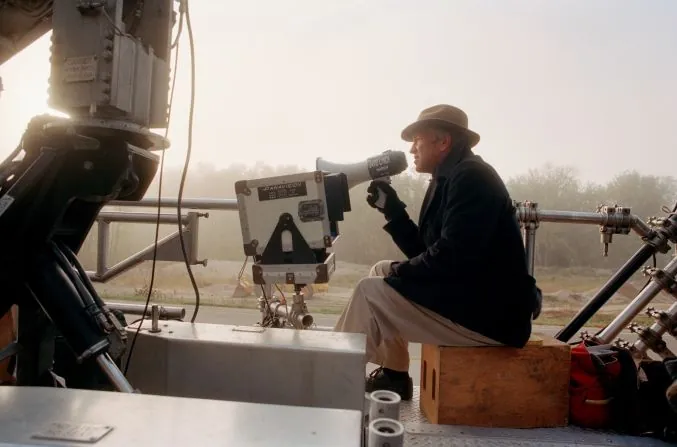
The 1st AD (first assistant director) is the person who builds the shooting schedule and then runs the set day to day, so the director can focus on performances and the shots.
What does 1st AD mean?
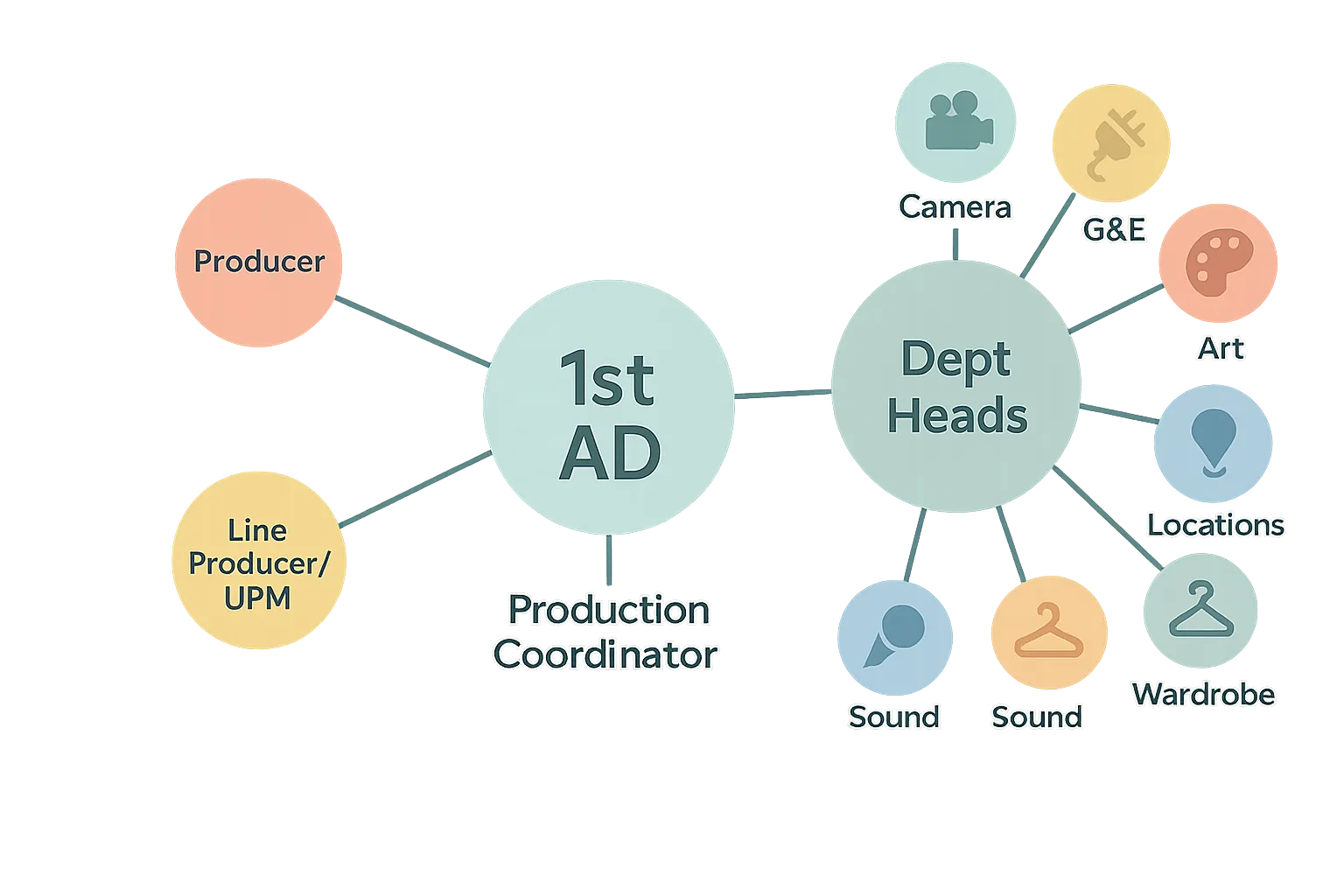
Despite the title, the 1st AD is a management role and does not direct the film. In prep, the 1st AD breaks down the script, builds the stripboard and shooting schedule, and leads the tech scout and production meeting. On set, the 1st AD keeps the day moving: calling the set to order, announcing the next setup, calling "roll camera" and "background action", tracking time against the schedule and deciding with the director and producer what to cut or move when the day runs long. The 1st AD is also usually responsible for safety on the floor, including the safety briefing before stunts, effects or any risky shot.
The 1st AD leads the assistant director team: a 2nd AD who handles call sheets, cast and paperwork, and on bigger shows 2nd 2nd ADs, 3rd ADs and production assistants. How duties split between these roles varies by country and by production size.
Example: a 1st AD's morning on set
Picture a two-day short called "Copper Line", about a retired electrician, Wendell, who teaches his granddaughter Priya to fix the family's old radio. Day one covers scenes 4, 5 and 9 in Wendell's garage. Here is how the 1st AD might run the first hour:
| Time | What the 1st AD does |
|---|---|
| 7:00 AM | Crew call. Quick safety talk: cables across the driveway, the soldering iron is a working prop. |
| 7:10 AM | Private blocking of scene 4 with the director and two actors, then a marking rehearsal for the crew. |
| 7:30 AM | Hands the set to the DP and gaffer to light. Sends actors back to makeup and tells the 2nd AD the expected time to camera. |
| 8:15 AM | "Bring in the first team." Final rehearsal, then "Roll camera," "Speed," "Marker," and the director calls action. |
| 9:00 AM | Checks progress: one setup behind. Proposes dropping a wide in scene 5 that the master already covers. |
That last call is the heart of the job: protecting the day's work while keeping the director's priorities.
What does a good 1st AD need?
- A workable schedule. The schedule they build in prep is the plan they defend on set. See how to schedule a film shoot.
- Clear communication. Everyone should know what is shooting now and what comes next.
- Calm judgment. Falling behind is normal; the skill is choosing what to lose.
In Lowerated, the stripboard is built from the script breakdown, and the one-line schedule and call sheets are generated from it, so the 1st AD's plan and the team's paperwork come from the same source.
Related terms
- 2nd AD: the 1st AD's right hand for call sheets, cast and paperwork.
- Call time: the time each person is due on set.
- Stripboard: the scene-by-scene board the 1st AD uses to build the schedule.
- Martini shot: the last shot of the day, usually announced by the 1st AD.
FAQ
Is a 1st AD the same as an assistant to the director?
No. The 1st AD manages the set and schedule; personal assistance to the director is a separate job.
How do you become a 1st AD?
Most 1st ADs work up from production assistant to 3rd and 2nd AD. Read how to become an assistant director for the usual path.