Golden hour: What It Means in Filmmaking


By Muhammad Wisal and Muhammad Ali / 2 min read
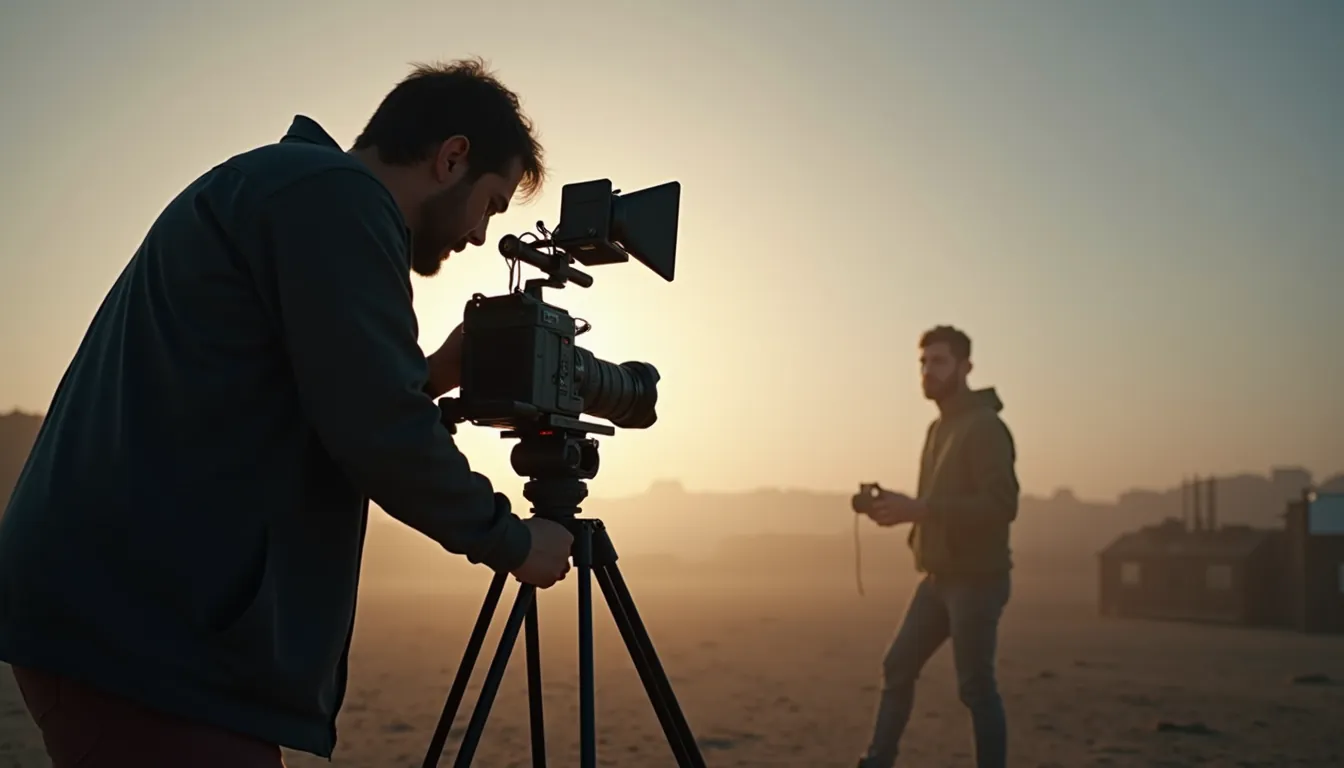
Golden hour is the short period just after sunrise and just before sunset when the sun is low in the sky, giving soft, warm, directional light that filmmakers often plan shots around.
What does golden hour mean?
When the sun sits close to the horizon, its light passes through more atmosphere. The light is warmer, softer and comes in at a low angle. That gives long shadows, a glow on hair from behind, and skin tones that are easy to flatter. Many crews use "magic hour" to mean the same thing, though some use it for the blue twilight right after sunset.
Despite the name, the window is rarely a clean hour. Its length depends on your latitude, the season and the weather. Near the equator it can be brief, while at higher latitudes in summer it can stretch much longer. Cloud and haze change it from day to day. The light also changes minute by minute, so shots taken at the start and end of the window may not match. That is why golden hour scenes are planned carefully and kept short. Terrence Malick's "Days of Heaven" is a well-known example of a film that shot many scenes in this light.
Example of planning a golden hour shot
Here is a call sheet note for a short called "The Orchard", where a farmer, Ezekiel, walks his rows one last time before the land is sold.
Sc. 22, EXT. ORCHARD, SUNSET. 1/8 page, no dialogue. Sunset 7:48 PM. Camera ready on mark by 6:50 PM. Rehearse with stand-in at 6:30 PM. Two takes max, then turn around for the reverse. Weather cover: Sc. 18 interior barn.
The scene is short on purpose. The crew is set and rehearsed before the light arrives, and there is a cover set ready if clouds roll in. Apps such as Sun Seeker, PhotoPills or Sun Surveyor show the sun's path for a location and date, which helps on the tech scout.
Tips for shooting at golden hour
- Schedule only small scenes. Dialogue-heavy scenes with lots of coverage rarely fit the window.
- Shoot the most important angle first. Later angles will have different light.
- Bring light to match. A bounce or a warm-gelled lamp can help close-ups match the wide as the sun drops.
- Have a backup day. One cloudy evening can cost you the shot.
Related terms
- Lighting setups: how to shape light when the sun is gone.
- Weather cover set and tech scout, both linked above.
- Blue hour: the twilight period after sunset or before sunrise.
FAQ
Can you fake golden hour?
Partly. A strong warm light from a low angle, plus some atmosphere and a grade, can come close, especially for interiors.
Is morning or evening golden hour better?
Both give similar light. Morning means a very early call, while evening risks running out of time if the day runs late.