Chemistry Reads and Callbacks: How to Run Them


By Muhammad Wisal and Muhammad Ali / 7 min read

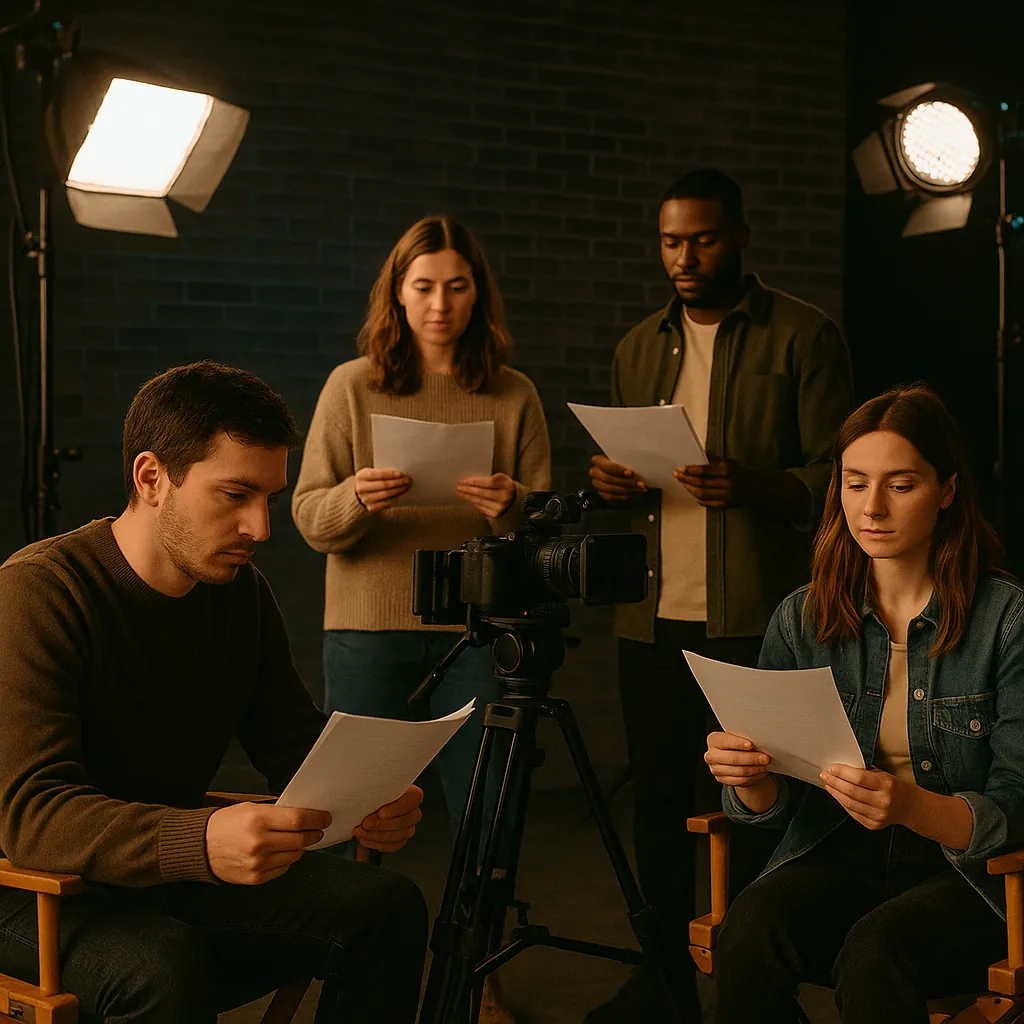
A chemistry read is a callback where you pair actors and have them read scenes together, to see whether their on-screen relationship is believable. You hold one after first auditions or self-tapes, for the roles whose relationship carries the film. It is usually the last step before you make offers.
What is a callback, and how is a chemistry read different?
A callback is any second-round audition: you invite a shortlist back to read again, often with new scenes or adjustments from the director. A chemistry read is a type of callback where the point is the pairing. The question changes from "is this actor right for the role?" to "do these two actors make this relationship work?"
Most films only need chemistry reads for one or two pairings: the romantic leads, a pair of siblings, a parent and child, or two partners in a buddy story. Supporting roles are usually cast from regular callbacks.
When should you hold a chemistry read?
Hold it once you have narrowed each role to two or three strong options and before anyone gets an offer. If one role is already cast, that actor becomes your anchor and reads with each finalist for the other role. If neither is cast, you mix and match the finalists from both lists.
Book the anchor actor first, since they will be in the room all session. If they are a known name with an agent, their availability for a chemistry session is often part of the conversation when you make their offer.
How do you run a chemistry read step by step?
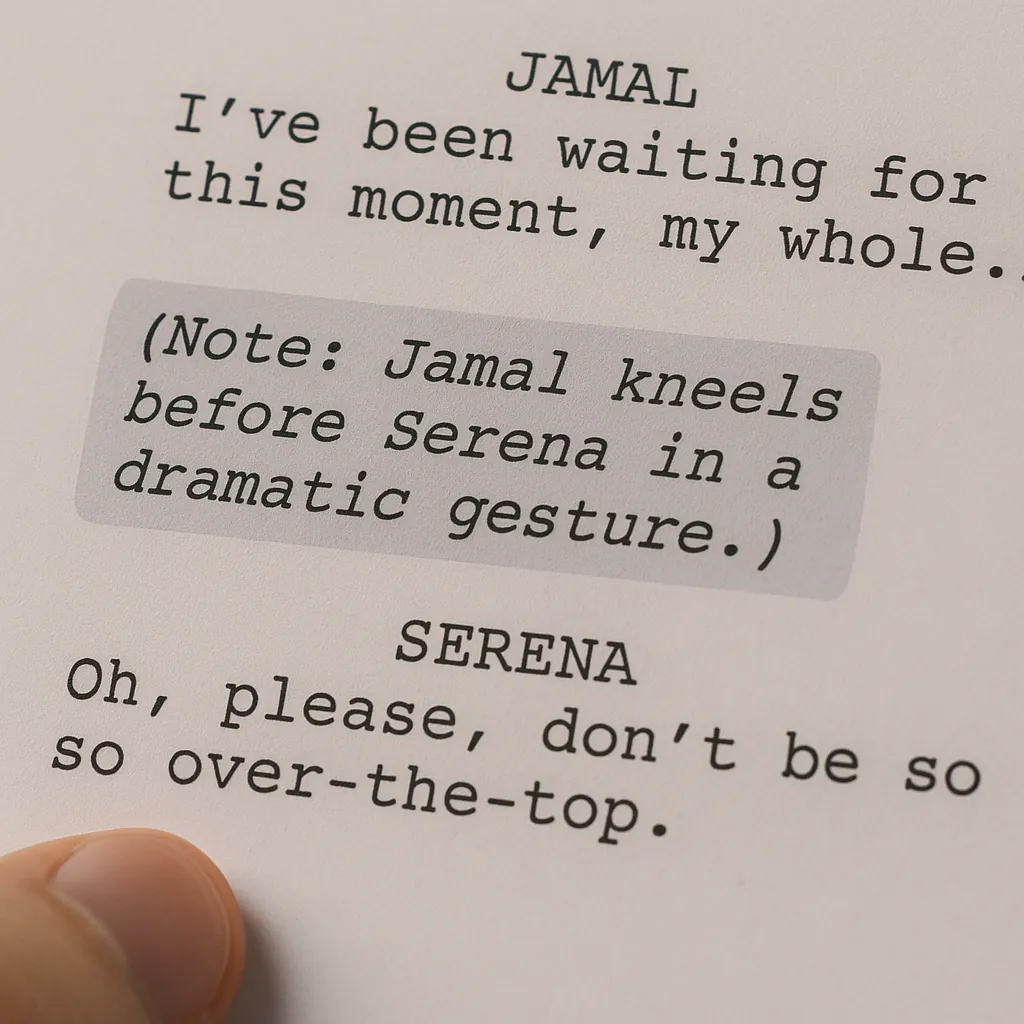
- Pick two or three scenes. Choose scenes that show different sides of the relationship: one where they are close, one where they clash, and if possible one with long silences. Each should be one to three pages.
- Plan the pairings. Write a grid of who reads with whom. With two finalists for one role and three for the other, that is six pairings. You rarely need all of them, so rank the most likely ones first.
- Send sides and the schedule ahead. Tell each actor which scenes, how long they will be there, and who they are reading with if that is not confidential.
- Set up the room. One camera on a wide two-shot is enough, plus a phone on a closer angle if you have a spare person. Record everything so you can compare later.
- Let them read once as prepared. Watch without interrupting. You learn a lot from the choices they made on their own.
- Give one adjustment. Change the circumstance ("you have just found out she lied") or the status ("he is the one in control now"). See how the pair adapts together.
- Swap partners. Run the same scenes with the next pairing so you compare like with like.
- Talk after the actors leave. Discuss each pairing with the producer and casting director once the session is over, then review the footage the next day with fresh eyes.
What does a chemistry read schedule look like?
Here is a sample half-day session for "The Glass Orchard", a short drama about a couple keeping a failing bakery open. The role of CASS is cast. Three finalists are reading for BRAM.
| Time | Who is in the room | Scenes | Notes |
|---|---|---|---|
| 9:30 AM | Director, producer, casting director, Cass actor | Setup, camera check | Run lines with the anchor actor |
| 10:00 AM | Cass with Bram finalist 1 | Sc. 6, Sc. 14 | One adjustment on Sc. 14 |
| 10:30 AM | Cass with Bram finalist 2 | Sc. 6, Sc. 14 | Same adjustment |
| 11:00 AM | Break | Water and a reset for the anchor | |
| 11:15 AM | Cass with Bram finalist 3 | Sc. 6, Sc. 14 | Same adjustment |
| 11:45 AM | Cass with the strongest finalist again | Sc. 22 | Optional third scene |
| 12:15 PM | Team only | First impressions, then wrap |
Leave 30 minutes per pairing for two short scenes. Build in a break so the anchor actor is as fresh for the last pairing as for the first.
What are you looking for in a chemistry read?
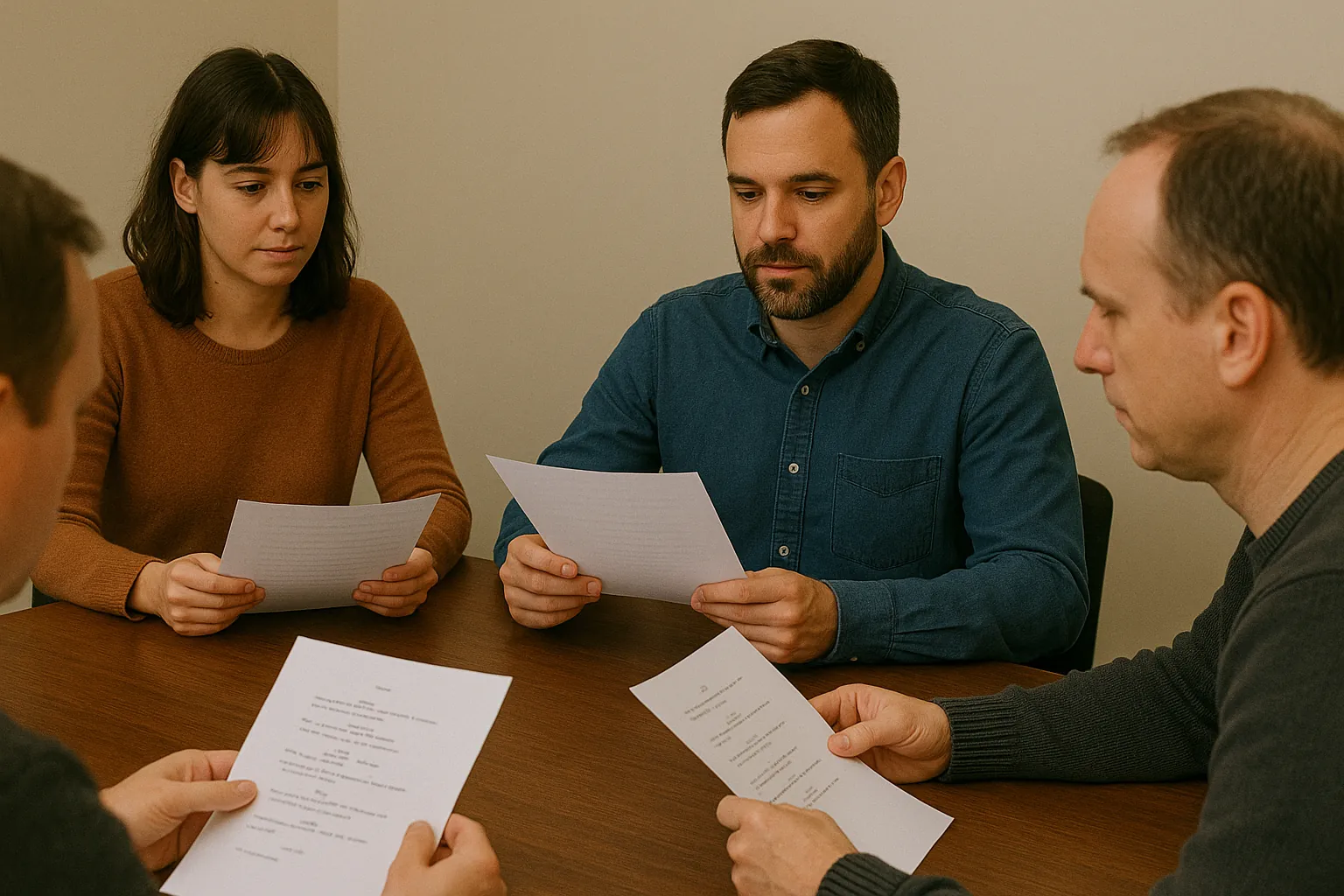
You are looking for two actors who listen to each other and make the relationship feel like it existed before the scene began. Specific things to watch:
- Listening. Does each actor react to what the other just did, or wait for their cue?
- Rhythm. Do they find a pace together, with overlaps and pauses that feel natural?
- Shared history. Do they seem to know each other, even when the scene says nothing about the past?
- Contrast. Two actors with the same energy can flatten a scene. Different temperaments often play better.
- Status shifts. When the power moves from one to the other, can you see it?
- Adjustments. When you change the circumstance, do they adapt together or pull in different directions?
Looks and height matter less than people think. Wardrobe, framing and blocking can solve most visual mismatches. A pair that does not listen to each other is much harder to fix on set.
How do you keep a chemistry read safe and fair?
Read the dialogue and skip any physical intimacy. If a scene includes a kiss or an intimate moment, have the actors mark it ("they kiss") and carry on. Tell actors in advance what the scenes contain, so nobody is surprised in the room.
Productions with intimate content often bring in an intimacy coordinator early, and some union agreements have rules about what can be asked at auditions. Rules on callbacks, recording and paying actors for extra sessions also vary by union and country, so check with your casting director or the relevant union before you schedule.
Keep the room small. The director, a producer and the casting director are enough. A crowd of observers makes actors play to the room instead of to each other.
Common chemistry read mistakes
- Too many pairings. Reading every combination exhausts the anchor actor, and the last pairs get a tired partner.
- Different scenes for different pairs. You cannot compare pairings fairly unless they read the same material.
- Only the big emotional scene. One shouting match tells you less than a quiet scene where the two actors have to fill the silence.
- Deciding in the room. First impressions are strong, but the footage often tells a different story the next morning.
- Not recording. Without footage, producers who could not attend have nothing to go on.
What happens after the chemistry read?
After the chemistry read you make offers, starting with the pairing you want. Agree terms with each actor and put them in writing with a deal memo. Once they are cast, the same pairs move into a table read and rehearsals, where the relationship you saw in the room starts to take shape for the shoot. If you need to recast one role later, run a smaller chemistry read with the remaining actor as the anchor.
Organizing callbacks in Lowerated
If you cast through Lowerated, your shortlist and the tapes behind it live inside the film project, next to the script. You review the self-tapes, shortlist the actors you want to call back, and your team sees the same tapes and the same notes when you plan the pairings.
The clip shows a casting call created, self-tapes reviewed and actors shortlisted inside the film project.
FAQ
Can you do a chemistry read over video call?
Yes. A video chemistry read shows you rhythm and listening well, though you lose physical presence. Ask both actors to use headphones to avoid echo and lag.
How long is a chemistry read?
Plan about 30 minutes per pairing for two short scenes and one adjustment. A full session with three or four pairings fits in a morning.
Do actors know who they are reading with?
Usually, yes, and it helps them prepare. Some productions keep names confidential, but you should at least tell actors what scenes they will read.
Is a chemistry read the same as a screen test?
They overlap. A screen test usually involves hair, makeup, wardrobe and a more formal camera setup. A chemistry read focuses on how two actors play together and can be a simple room with one camera.
Key takeaways
- A chemistry read is a callback that tests how a pair of actors play together.
- Hold it for the central relationships, after you have two or three finalists per role and before offers.
- Use the same two or three scenes for every pairing, give one adjustment, and record everything.
- Watch for listening, rhythm and shared history more than looks.
- Skip physical intimacy, tell actors what the scenes contain, and check union rules where they apply.