Film Permits: When You Need One and How to Get It


By Muhammad Wisal and Muhammad Ali / 7 min read
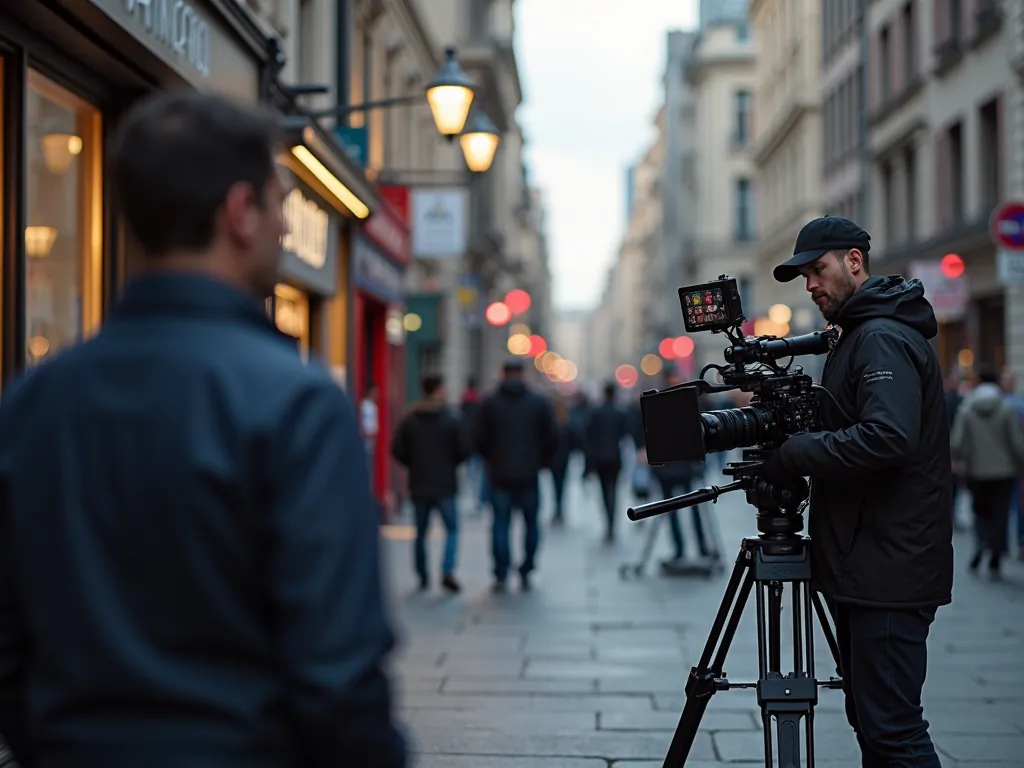
You usually need a film permit when you shoot on public property, such as streets, sidewalks, parks or public buildings, or when your shoot affects the public, for example by parking crew vehicles, blocking a sidewalk or setting up lights. To get one, contact the local film office or the authority that controls the location, submit an application with your dates, crew size, equipment and a certificate of insurance, and allow time for approval. Rules vary a lot by city and country, so always check with the local office first.
This page is general information. It is not legal advice, and local rules change, so confirm details with the film office or a local lawyer before you shoot.
What is a film permit?
A film permit is written permission from a public authority to film at a specific place, on specific dates and hours, under specific conditions. It tells the city or agency who you are, where you will be, what equipment you bring and how you will keep the public safe. In return, it lets you work there without being moved on, and it gives local police and residents a record that your shoot is approved.
A permit is different from a location agreement. A permit comes from a public body. A location release form comes from a private owner. Some shoots need both.
When do you need a film permit?
You generally need a permit when any part of the shoot uses public space or could disrupt the public. Typical triggers include:
- Filming on streets, sidewalks, plazas, parks, beaches or public buildings.
- Parking production vehicles, trucks or generators on public roads.
- Placing equipment such as stands, tripods, dollies or cables on public ground.
- Closing or slowing traffic, or holding pedestrians during takes.
- Special effects, prop weapons, stunts, smoke or anything that could alarm people.
- Flying a drone. In many countries this falls under aviation rules as well as local filming rules. In the US, commercial drone flights generally fall under the FAA's Part 107 rules.
- Filming on transit, at airports, in government buildings or on protected land, which usually have their own permit offices.
When might you not need a film permit?
You may not need a public film permit when you shoot entirely on private property with the owner's written permission and nothing spills onto public space. Some cities also have simplified rules or exemptions for very small crews, handheld cameras, news or student work. These exemptions vary widely, and many places have none, so check the exact rule for your city before you rely on one.
Even on private property, you may still need a permit if your vehicles take up street parking, your lights shine onto a road, or your shoot creates noise late at night.
Who issues film permits?
Film permits are usually issued by a city or county film office, or by a regional film commission that points you to the right office. Many large cities have a dedicated office. Smaller towns may handle it through the city clerk, police or parks department.
Some locations have their own authority: national and state parks, transit systems, railways, ports and airports often run their own permit process. Search for "[city name] film permit" or "[region] film commission," and if you are unsure, call and describe the shoot. Film offices answer this question every day.
What does a film permit application ask for?
Most applications ask for similar information. Prepare it before you start and the process goes much faster.
| Item | What it means | Example |
|---|---|---|
| Production details | Title, company, producer contact, type of project | "Overtime," short drama, producer name and phone |
| Dates and hours | Shoot days, including prep and wrap time | Saturday, 6:00 AM to 4:00 PM, including load-in |
| Exact location | Address and the precise area you will use | Bus shelter, north side of Harmon Ave between 3rd and 4th St |
| Crew and cast size | How many people on site at peak | 14 crew, 3 cast, 4 background |
| Vehicles and parking | Number, size and where they will park | 2 cars, 1 cargo van, permitted parking on 3rd St |
| Equipment | What will sit on public ground | Tripod, two light stands, sound cart, no generator |
| Site plan | A simple map of where everything goes | Sketch showing camera, lights, holding area, clear walkway |
| Insurance | Certificate of insurance, often naming the authority as additional insured | General liability certificate from your insurer |
| Special activities | Effects, weapons, stunts, drones, traffic control | None |
| Public notification | Proof that nearby residents and businesses were told | Letter delivered to shops on the block, with dates and contact |
Insurance is the item that most often holds up small productions. Many offices will not issue a permit without a certificate, and the required coverage varies. See production insurance for indie films and ask your insurer what the film office needs.
How do you get a film permit step by step?
- Lock your locations. Finish scouting so you know the exact spots and what you need there. See location scouting.
- Find the right office. Identify who controls each location: city film office, parks, transit or a private owner.
- Call or read the guidelines. Check lead times, fees, insurance requirements and any restrictions on hours, noise or crew size.
- Arrange insurance. Get the certificate in the exact form the office asks for.
- Prepare the application. Dates, hours, crew size, vehicles, equipment and a site plan.
- Notify neighbors if required. Many offices ask for a notice letter or signatures from nearby residents and businesses.
- Book police or fire officers if required. Traffic control, prop weapons and effects often need them, at your cost.
- Submit and follow up. Apply as early as you can. Lead times range from a few days to several weeks depending on the place and the complexity.
- Carry the permit on set. Keep a printed or digital copy with the producer or location manager, and follow every condition on it.
Common film permit mistakes
- Applying too late, then shooting without approval.
- Listing the wrong hours, so the crew is still loading out after the permit ends.
- Bringing more vehicles or equipment than the permit allows.
- Forgetting that the permit covers one location; a second street needs its own approval.
- Not telling neighbors, then losing the location to complaints.
- Assuming a drone is covered by the filming permit when it needs separate approval.
Can you shoot without a film permit?
Some small productions shoot without permits, often called guerrilla filmmaking. The risks are real: you can be stopped and lose the day, face fines, and your insurance may not cover an incident at an unpermitted location. Distributors and festivals may also ask about location clearances later. If you are unsure whether you need a permit, ask the film office. A short call is cheaper than a lost shoot day.
Keeping permit details with your locations in Lowerated
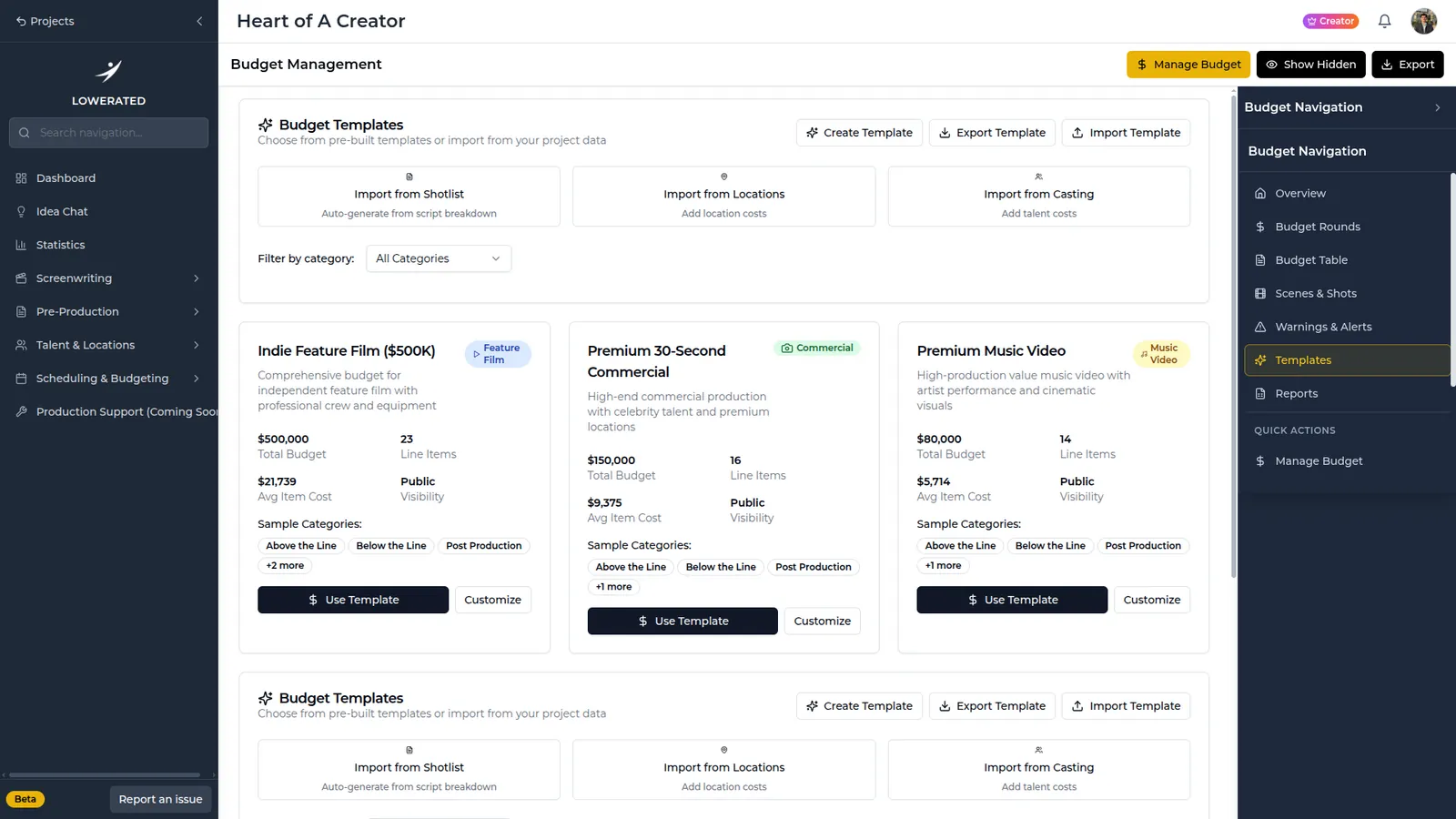
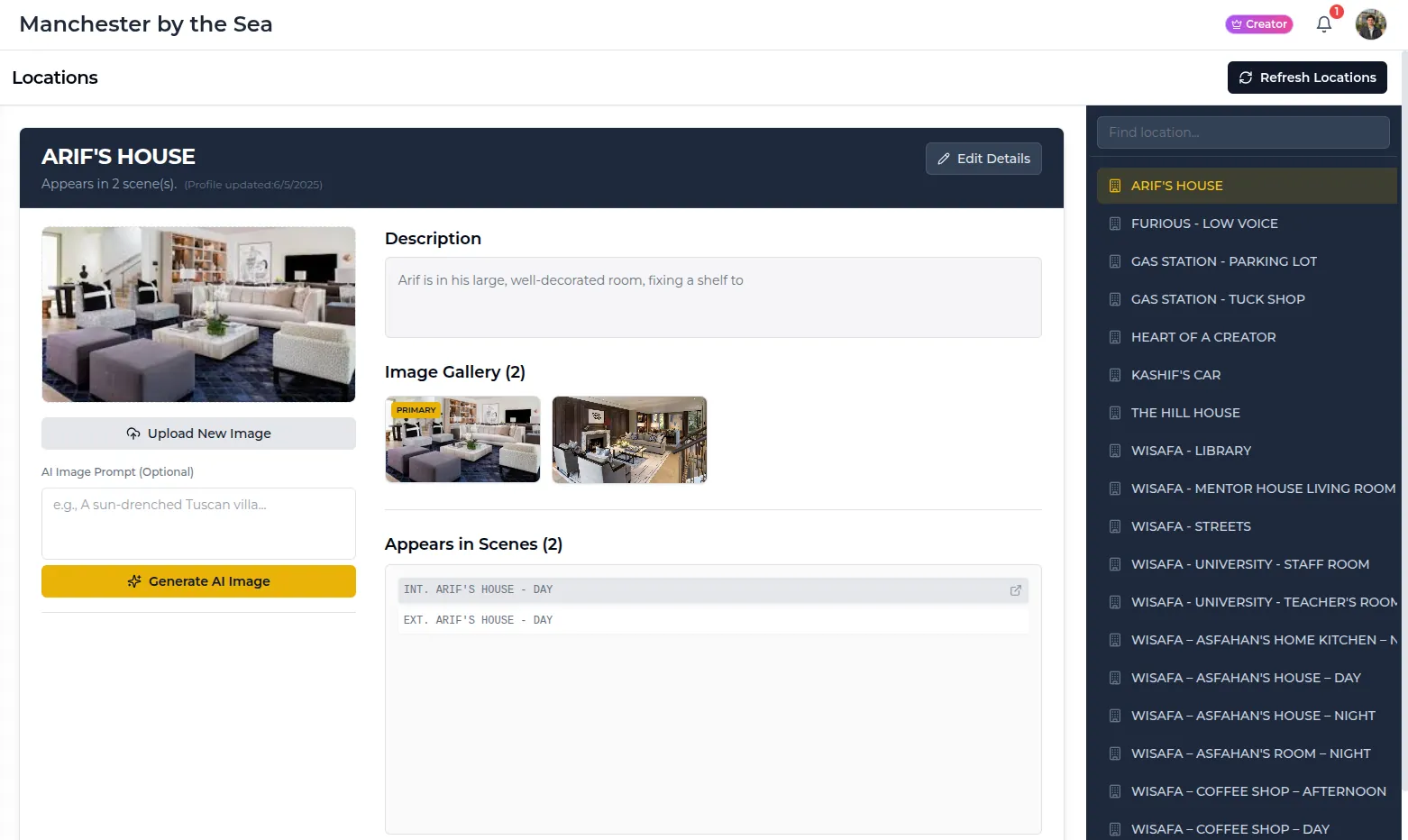
A permit application needs exact dates, hours and scenes for each location. In Lowerated, each location sits with the scenes that happen there, and your stripboard shows which shoot day each scene lands on, so you can fill in the application from the plan you already have. Once the permit is approved, plan the day around its hours on the tech scout and in the schedule.
The clip shows scenes as strips, filtered to night scenes, with one dragged onto day one of the schedule.
FAQ
How much does a film permit cost?
It varies widely. Some cities charge little or nothing for small shoots, while others charge application fees, daily location fees and costs for police or parking. Ask the film office for its current fee schedule.
How long does it take to get a film permit?
Anywhere from a few days to several weeks, depending on the city and how complex the shoot is. Road closures, effects and drones usually take longer.
Do student films need permits?
Often yes, though some cities and schools have student programs or reduced fees. Check with your school and the local film office.
Do I need a permit to film in a park?
Usually, yes. Parks are often managed by a separate department or agency with its own rules, so ask that office directly.
Key takeaways
- You usually need a film permit when you use public space or your shoot affects the public.
- Permits come from the local film office or the authority that controls the location, and rules vary by place.
- Prepare dates, hours, crew size, vehicles, equipment, a site plan and an insurance certificate before you apply.
- Apply early, notify neighbors if required, and follow every condition on the permit.
- When in doubt, call the film office and ask.