Film Production Insurance for Indie Films


By Muhammad Wisal and Muhammad Ali / 6 min read
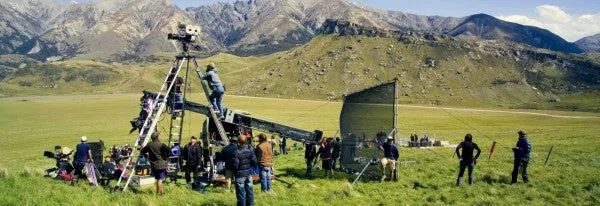
Film production insurance is a set of policies that protects a shoot against claims and losses: injuries to people, damage to locations and rented gear, vehicle accidents and, later, legal claims about the finished film. Most indie productions buy a short term production package through a broker who specializes in entertainment, because locations, rental houses and permit offices will usually ask for proof of insurance before you can shoot. What you need depends on your country, state, crew, and what happens on screen, so treat this guide as general information and confirm the details with a broker.
Why do indie films need production insurance?
Indie films need insurance mainly because the people you depend on require it. A rental house will not release a camera package without proof that it is covered. A location owner or a city permit office usually wants a certificate of insurance before the first shoot day. And if something goes wrong, such as a light stand falling on a guest or a borrowed lens getting dropped, the cost can be far larger than the film's budget.
Insurance also protects the people who put money into the film. Investors, distributors and some festivals or broadcasters will ask what cover was in place, especially errors and omissions cover at the distribution stage.
What does film production insurance cover?
A production package is a bundle of separate coverages. Brokers name and group them in different ways, but these are the ones indie filmmakers hear about most often:
| Coverage | What it protects against | When it usually comes up |
|---|---|---|
| General liability | Injury to third parties or damage to their property caused by the production | Location owners and permit offices ask for it |
| Equipment (owned and rented) | Loss, theft or damage to cameras, lights, grip and sound gear | Rental houses ask for it before checkout |
| Third party property damage | Damage to a location or property in your care | Shooting in homes, shops and offices |
| Hired and non-owned auto | Accidents in rented vehicles or crew vehicles used for the shoot | Rented vans, picture cars, crew driving for the production |
| Workers' compensation | Injuries to cast and crew working for the production | Rules vary widely by state and country; ask a broker or payroll company |
| Props, sets and wardrobe | Loss or damage to what the art and costume teams build, buy or rent | Productions with built sets or rented wardrobe |
| Faulty stock or media | Loss of footage from faulty cards, drives or camera failure | Any shoot where a lost day would be costly to redo |
| Extra expense | Extra costs if a covered loss delays the shoot | Long or complex schedules |
| Errors and omissions (E&O) | Legal claims about the content: copyright, trademark, defamation, privacy | Usually required by distributors and broadcasters |
Some activities are often excluded or need extra cover: stunts, drones, firearms, pyrotechnics, water work, aircraft and animals. Tell the broker about all of them up front. See stunt and safety planning for what these scenes usually involve.
What is the difference between short term and annual production insurance?
A short term policy covers one production for set dates, usually from the start of prep to the end of the shoot. An annual policy covers a company that shoots regularly across a year. In the United States, annual policies for small commercial work are often called DICE policies (documentary, industrial, commercial, educational). For a single short or a first feature, a short term policy is the usual choice. E&O is normally a separate policy, bought closer to distribution, and it often runs for several years.
What is a certificate of insurance?
A certificate of insurance (COI) is a one page document from your broker that proves you have cover. Locations, rental houses and permit offices ask for one before they let you work. They often ask to be named on it in a specific way:
- Additional insured. A location owner or city is added to your liability cover for the production.
- Loss payee. A rental house is named so that, if its gear is damaged, the payment goes to it.
Each certificate is specific to one party and often one set of dates. Ask each location and vendor exactly what wording and limits they need, and allow a few days for the broker to issue it. The film permits and location release forms guides cover the paperwork that usually goes alongside it.
How do you get production insurance for an indie film?
- Find an entertainment broker. A general business insurer may not understand film shoots. Ask other producers, your rental house or a local film commission who they use.
- Gather the production details. Brokers usually ask for dates, locations, budget, crew and cast numbers, equipment value, and every risky activity on the schedule.
- List who needs certificates. Every location, rental house, vehicle rental and permit office.
- Compare quotes and read exclusions. Check deductibles, limits, and what is excluded, especially for stunts, drones and vehicles.
- Bind the policy before prep work that involves risk. Gear checkouts and location dressing often start before the first shoot day.
- Request certificates. One for each party, with the wording they asked for.
- Keep records on set. Keep copies of certificates and the broker's contact details with the production office paperwork.
What does a broker need to know? A worked example
"Glasshouse" is a five day short about a botanist, Ingrid Valk, locked in a greenhouse overnight. Here is the information its producer prepared for the broker.
| Question | Answer for "Glasshouse" |
|---|---|
| Dates | 2 prep days, 5 shoot days, 1 wrap day |
| Locations | Private greenhouse at a garden center; one public road exterior |
| Cast and crew | 3 cast, 14 crew, 6 extras on day 4 |
| Equipment | Rented camera and lighting package, owned sound kit |
| Vehicles | One rented cargo van, two crew cars |
| Risky activities | Breaking glass gag with a stunt coordinator; one drone shot of the roof |
| Certificates needed | Garden center (additional insured), rental house (loss payee), city permit office |
With this list, the broker can quote quickly and flag that the drone and the glass gag may need extra cover or a licensed operator.
What are common production insurance mistakes?
- Leaving insurance until the week of the shoot, then waiting on certificates while the rental house holds the gear.
- Not telling the broker about stunts, drones or vehicles, then finding they were excluded.
- Assuming the location owner's home insurance covers the film crew.
- Assuming volunteers or friends working for free need no cover. Rules on this vary, so ask.
- Forgetting that prep and wrap days need cover too.
- Ignoring E&O until a distributor asks, then finding the music and releases are not in order. See music licensing for independent films.
Tracking insurance in your Lowerated budget
Insurance is a line item like any other. In Lowerated you can add it to the budget, enter the quote as the estimate and the final premium and deductibles as actuals, so the cost sits next to the schedule it covers.
The clip shows budget line items with estimates tracked against actual spending, next to the plan they belong to.
For where insurance sits in the wider budget, read budgeting in pre-production.
FAQ
How much does film production insurance cost?
It depends on budget, dates, crew size, location, equipment value and risk. Get quotes from at least two entertainment brokers with the same production details.
Do I need insurance for a student or no budget short?
Often yes, if you rent gear or shoot on private or public property. Some schools cover student productions, so check with your school first.
Is E&O insurance needed during the shoot?
Usually not. Distributors and broadcasters typically require it before release, but clearing music, locations and releases during production makes getting it easier.
What is a completion bond?
A completion bond is a guarantee to financiers that the film will be finished and delivered. It is separate from insurance and is mostly used on larger financed films.
Key takeaways
- Most indie shoots buy a short term production package from an entertainment broker.
- Locations, rental houses and permit offices usually ask for a certificate of insurance first.
- Tell the broker about every stunt, drone, vehicle and risky activity up front.
- Workers' compensation and volunteer rules vary by place, so ask a broker or lawyer.
- E&O comes later, at distribution, and depends on clean music and release paperwork.