How Much Does a Short Film Cost?


By Muhammad Wisal and Muhammad Ali / 6 min read
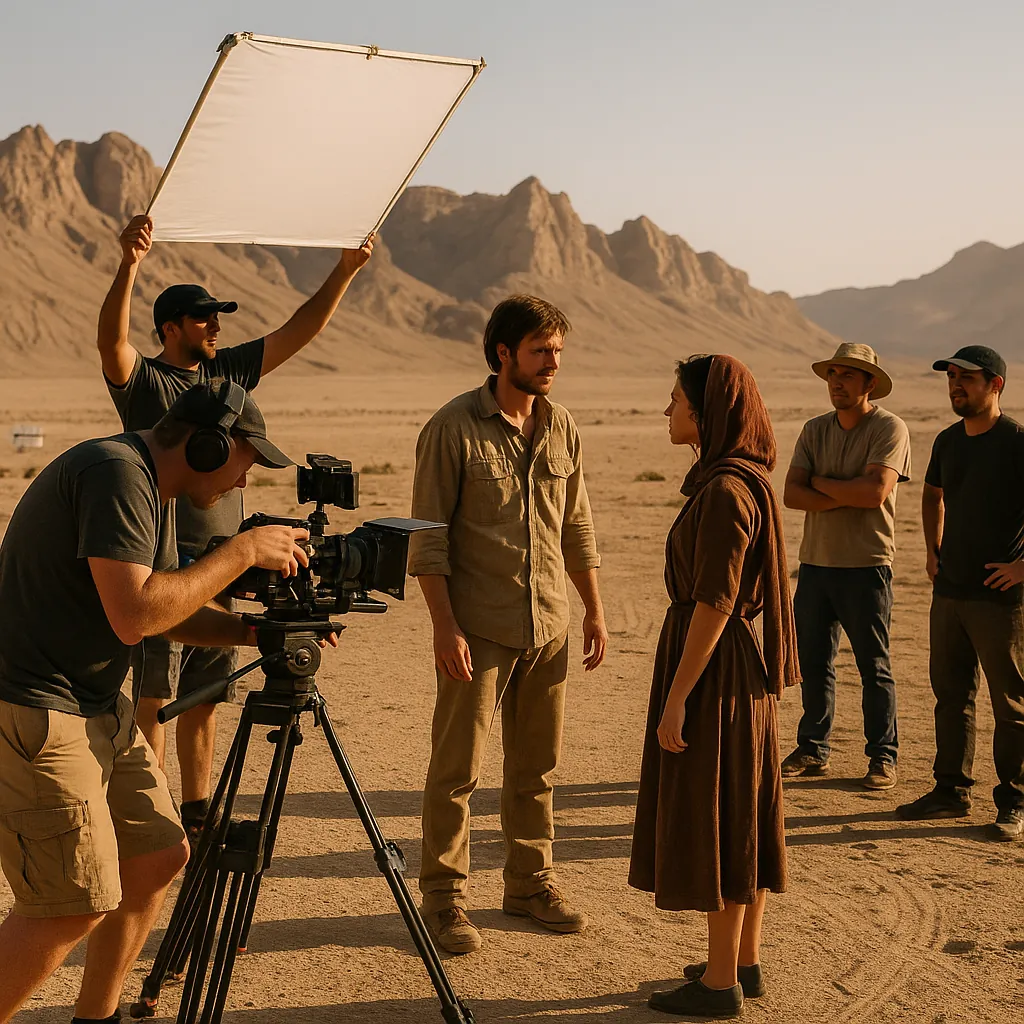
A short film can cost anything from a few hundred dollars to well over $50,000. Where yours lands depends mostly on how many shoot days you need, whether cast and crew are paid, what gear you rent, and how much post-production you hire out. A useful rule of thumb: work out what one shoot day costs, multiply by your number of days, then add post-production, insurance and a contingency.
What decides the cost of a short film?
Runtime matters less than people expect. A five minute short with a car chase can cost more than a twenty minute short in one kitchen. These are the factors that move the number most:
- Shoot days. Crew pay, gear rental, catering, transport and location fees are all charged per day. Each extra day adds roughly the same amount again.
- Paid or unpaid people. Crew and cast on full rates are usually the largest single cost. Volunteer or deferred-pay shoots cost far less, but you still owe people food, travel and a safe set.
- Locations. Free locations (a friend's apartment) versus paid ones (a restaurant that closes for you). Company moves between locations also eat time.
- Gear. Owning a camera, borrowing a kit or renting a cinema package from a rental house are very different numbers.
- Period, effects and stunts. Costumes from another era, picture cars, weapons, rain, fire or VFX all add departments and safety requirements.
- Post-production. Editing yourself versus hiring an editor, plus sound mix, color grade, music and any VFX.
- Union status. Union cast or crew bring set rates and conditions. SAG-AFTRA and other unions have agreements aimed at short and low-budget work; terms change, so check current rules with the union.
How much does a short film cost at different levels?
Here are three common ways to make the same 10 minute drama, a story about a night-shift nurse, Ifeoma, who gives a stranded teenager, Bram, a ride home. The ranges are illustrative only. Rates vary a lot by city and country, so price your own film from real quotes.
| Level | What it looks like | Typical range (USD) |
|---|---|---|
| No-budget | 2 shoot days, friends as crew, own or borrowed camera, free locations, you edit | Under 1,000 (mostly food, travel, small props) |
| Low-budget | 3 shoot days, small paid crew on reduced rates, rented camera and lights, a paid sound recordist, hired mix and grade | Roughly 5,000 to 20,000 |
| Mid-range | 4 or 5 shoot days, full crew at day rates, union cast agreement, rented cinema package, picture car, full post team | Roughly 25,000 to 75,000 or more |
Well-funded shorts by experienced teams, often made as a proof of concept for a feature, can go higher still. Most first shorts sit in the first two rows.
What does a short film budget look like line by line?
Here is the low-budget version of the nurse story, three shoot days, the director plus a crew of seven, two actors plus one day player. Day rates are placeholders to show the method, not recommended rates.
| Line | Calculation | Total (USD) |
|---|---|---|
| Cast (2 leads) | 2 actors x 3 days x 250 | 1,500 |
| Day player (Bram's father) | 1 actor x 1 day x 250 | 250 |
| Director of photography | 3 days x 450 | 1,350 |
| Other crew (6 people) | 6 x 3 days x 200 | 3,600 |
| Camera and lighting rental | 3 days x 400 | 1,200 |
| Sound kit | 3 days x 100 | 300 |
| Locations (hospital car park, house) | 2 locations, flat fee | 600 |
| Picture car (nurse's hatchback) | Borrowed, fuel and thank-you | 150 |
| Catering and craft services | 3 days x 12 people x 25 | 900 |
| Transport and parking | Flat | 300 |
| Art, props, wardrobe, makeup | Flat | 500 |
| Production subtotal | 10,650 | |
| Editor | Flat fee | 1,200 |
| Sound design and mix | Flat fee | 900 |
| Color grade | Flat fee | 500 |
| Music license or composer | Flat fee | 400 |
| Post subtotal | 3,000 | |
| Insurance | Short-term policy | 600 |
| Festival entry fees | 8 festivals x 50 | 400 |
| Subtotal | 14,650 | |
| Contingency (10%) | 1,465 | |
| Grand total | 16,115 |
Production is about two thirds of the total, and most of it is per day. Cutting one shoot day here would save roughly 3,000, about the same as the entire post-production budget.
How do you estimate what your short film will cost?
- Break down the script. List cast, locations, props, wardrobe, vehicles and effects per scene. A breakdown sheet for each scene keeps this organized.
- Count your shoot days. Many low-budget shoots aim for somewhere around 3 to 5 script pages a day, but it depends on the setups, locations and crew experience. A rough shooting schedule gives you the real number.
- Price one shoot day. Add crew, cast, gear, food, transport and location for a single day.
- Multiply and add the one-off costs. Days times your daily cost, then flat costs such as props, costumes and permits.
- Add post-production. Even if you edit yourself, budget for a sound mix and grade. Poor sound is one of the quickest ways to lose a viewer or a festival screener.
- Add insurance, legal and distribution. Insurance, location and talent releases, music clearance, festival fees. Rules for permits and insurance vary by place, so check with your local film office or a broker.
- Add contingency. Around 10 percent of the subtotal is a common starting point.
Put it all in a proper film budget template with a top sheet and line items, so you can change one number and see the effect.
How can you make a short film for less?
- Write for what you have. One or two locations you can get for free, a small cast, daytime scenes if you have little lighting.
- Cut days, not food. Combine scenes at the same location into the same day. Keep the crew fed; it is cheap compared with what you lose when people are tired and unhappy.
- Spend on sound. A good recordist and a proper mix do more for a low-budget short than a more expensive camera.
- Borrow, then rent. Film schools, co-ops and local filmmaker groups often lend or rent gear cheaply.
- Defer carefully. If people work for deferred pay, put it in writing and be honest about how unlikely a payout from a short film is.
What are common short film budgeting mistakes?
- Budgeting the shoot and forgetting post, then running out of money with the film half finished.
- Assuming free locations stay free. Owners often ask for a fee or cleanup once they see the crew size.
- No contingency, so one broken lens or extra day breaks the budget.
- Leaving out festival fees, which add up across many submissions.
- Guessing rates instead of asking crew and rental houses for real quotes.
Building your short film budget in Lowerated
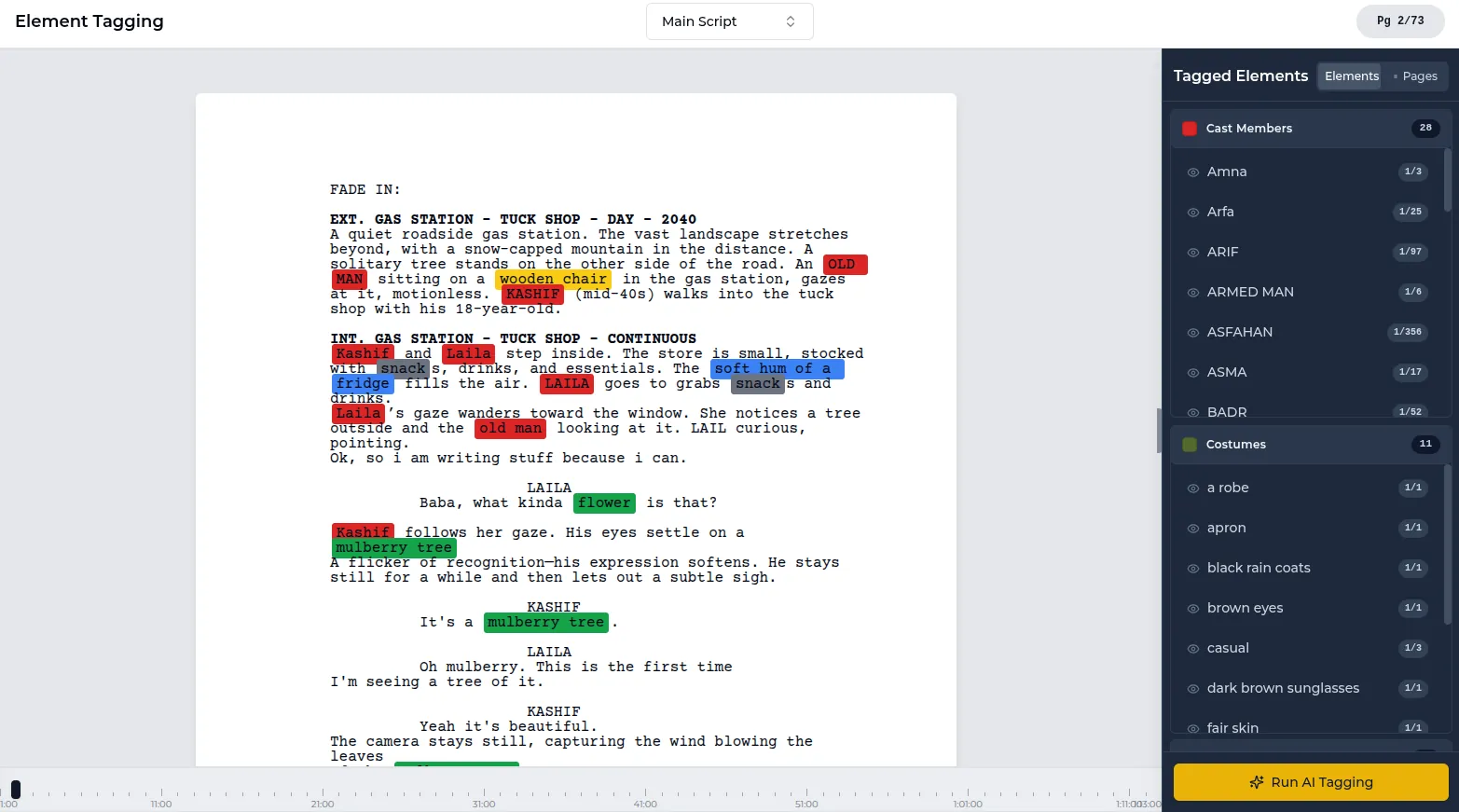
Lowerated lets you plan the budget next to your schedule. You add line items, track estimates against what you actually spend during the shoot, and can start from a budget template instead of a blank sheet. Because the shoot days are right there, it is easier to see what an extra day would cost.
The clip shows line items added to a budget, with estimates tracked against actual spending beside the schedule.
FAQ
How much does a 5 minute short film cost?
Anything from almost nothing to tens of thousands of dollars. A five minute short shot in one day with volunteers can cost a few hundred; one with stunts or effects can cost more than a longer, simpler film.
What is the biggest cost in a short film?
Usually people: crew and cast pay. After that, gear rental and catering, which all scale with the number of shoot days.
Should I pay my cast and crew on a short film?
Pay what you can, and always cover food and travel. Paid crew tend to be more reliable, and union cast come with their own rules about pay and conditions.
How do people fund short films?
Savings, crowdfunding, grants, film funds and private investors are common. See how indie films get funded.
Key takeaways
- Short film costs range from a few hundred dollars to well over $50,000.
- The number of shoot days drives most of the budget, more than runtime.
- Estimate one shoot day, multiply, then add post, insurance, festivals and contingency.
- Protect the budget for sound and post-production.
- Use real quotes, not guesses, and keep a contingency of around 10 percent.