Sides: What It Means in Filmmaking


By Muhammad Wisal and Muhammad Ali / 2 min read

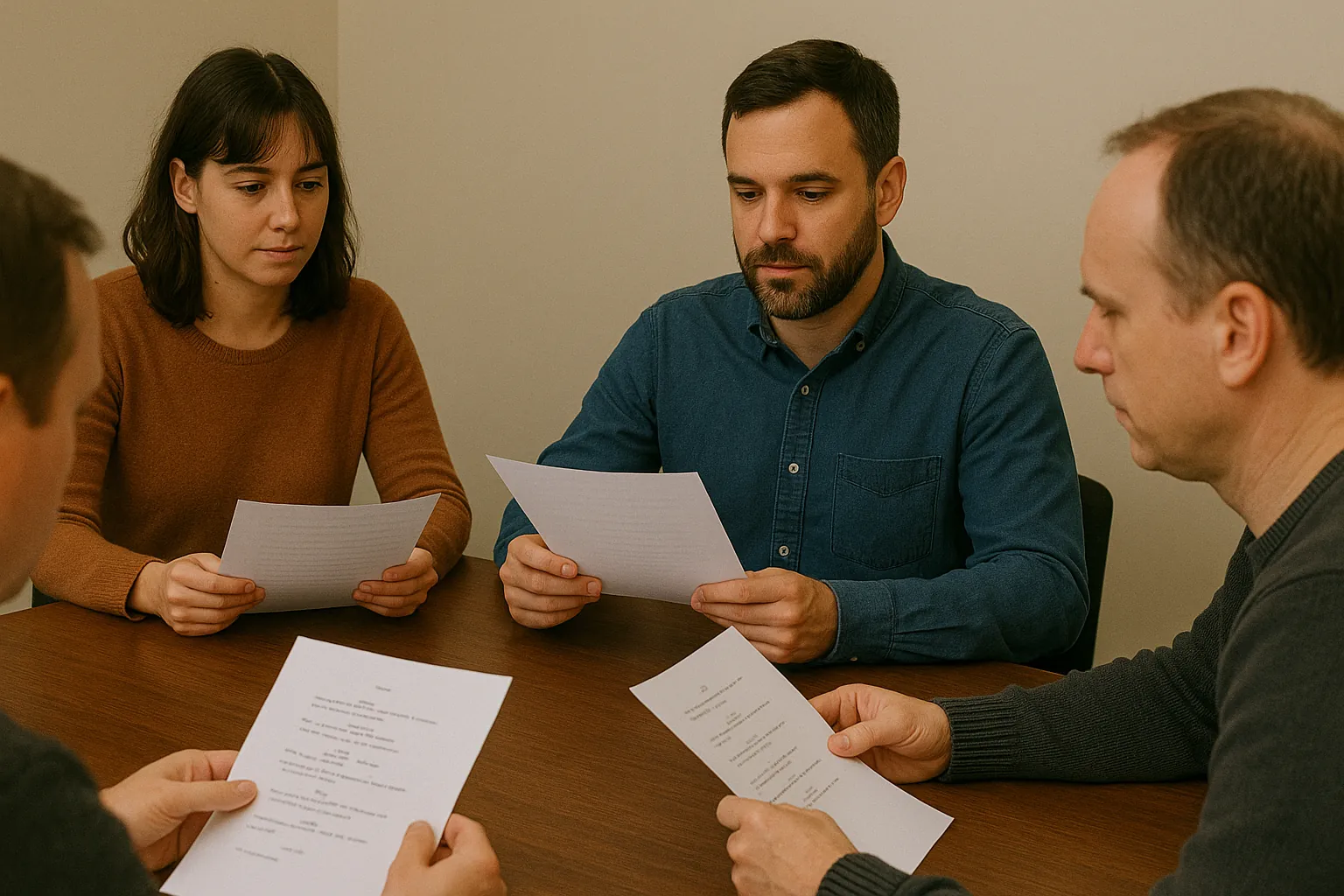
Sides are the few pages of a script an actor needs for a specific purpose: the scenes they read at an audition, or the scenes being shot that day on set.
What do sides mean?
The word is always plural, and it has two common uses. Audition sides are short excerpts, often one to three scenes, that casting sends to actors so they can prepare a read or a self-tape without seeing the whole script. Good audition sides show the character's main want and at least one turn in the scene.
Production sides are a mini script for one shoot day. The production takes the pages for every scene on the day's schedule, crosses out the parts of each page that belong to other scenes, and prints them, often reduced to half size so cast and crew can keep them in a pocket. Sides usually go out with the call sheet, either the night before or at call time. The 2nd AD or a production assistant typically prepares them, and they always use the current revision of each page.
Example: production sides for one day
A short thriller called "Low Tide" shoots scenes 8, 12 and 13 on day 2. The day's sides might look like this:
| Page in sides | Script page | Scene | Note |
|---|---|---|---|
| Cover | Title, day 2 of 4, date, scenes 8, 12, 13 | ||
| 1 | 6 | 8 EXT. PIER - DAY | End of scene 7 crossed out at top of page |
| 2 | 9 | 12 INT. BAIT SHOP - DAY | Blue revision page |
| 3 | 10 | 12 (cont.), 13 INT. BAIT SHOP - DAY | Scene 14 crossed out at bottom |
For an audition on the same film, the casting call for the role of Fenwick, the bait shop owner, might send only scene 12, the two pages where he lies to the detective.
Related terms
- Call sheet: the daily schedule that sides travel with. See how to make a call sheet.
- Self-tape: a recorded audition, usually based on sides. See self-tape instructions to send actors.
- Casting call: the notice that invites actors to audition. See how to write a casting call.
- Shooting script: the locked script the sides are cut from.
FAQ
Should actors memorize audition sides?
Knowing them well is expected, but most casting directors are fine with an actor holding the pages. Being comfortable enough to look up and play the scene matters more than perfect recall.
Who gets production sides?
Usually the cast, the director, the 1st AD, the script supervisor and key department heads. Many productions share digital copies as well as printed ones.