Table read: What It Means in Filmmaking


By Muhammad Wisal and Muhammad Ali / 2 min read
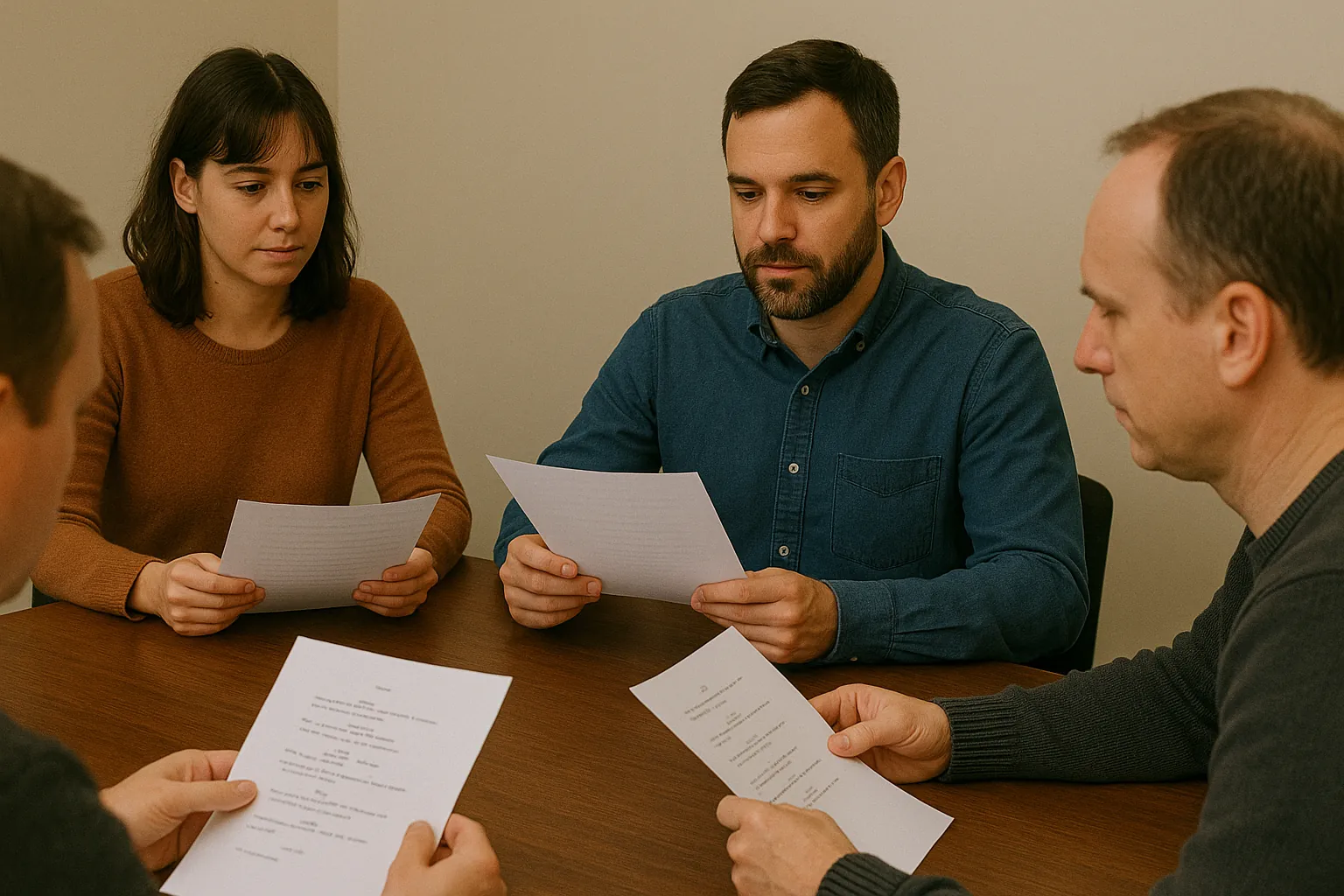
A table read is a sit-down reading of the full script, usually with the cast around a table reading their own parts aloud, so the director, writer and producers can hear the story before the shoot.
What does table read mean?
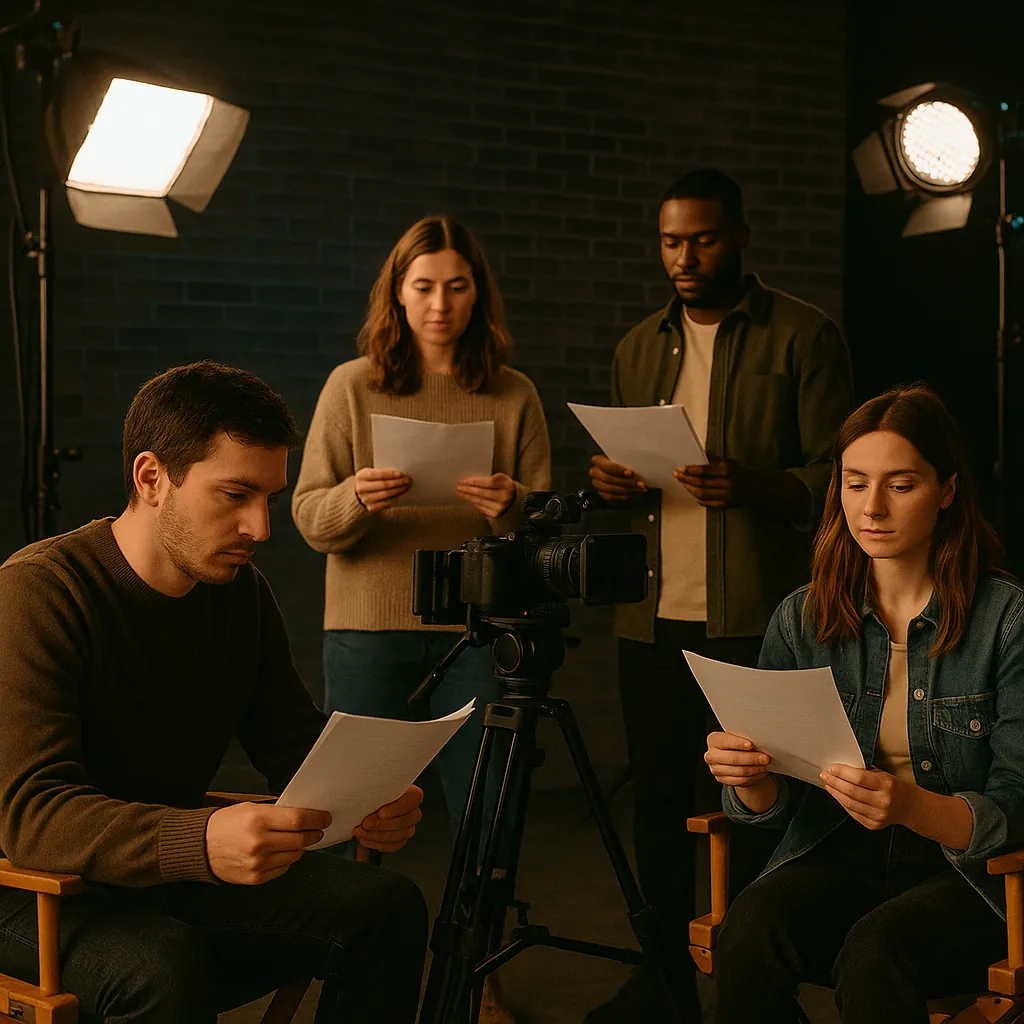
A table read (also called a read-through) normally happens in pre-production once the main roles are cast. Actors read their dialogue, and one person, often the writer, the 1st AD or a hired reader, reads the scene headings and action lines so the room can follow the story. Nobody performs full out or moves around. The goal is to hear the script as a whole, in order, at roughly the pace it will play.
A table read shows things the page hides: jokes that fall flat, speeches that run long, scenes that repeat the same beat, characters who sound alike, and lines that are hard to say. Writers often rewrite in the days after one. It is also the first time many cast members meet, so it helps set the tone of the production. Some productions time the read to estimate the running length.
Example: notes from a table read
A short comedy called "Best Man, Worst Speech" has its read in the producer's living room. The cast is Barnaby (the groom's brother), Philippa (the bride) and Ezekiel (the groom). The writer, Rosalind, reads the action. Her notes afterward:
- Read ran 17 minutes for 15 pages. Fine for a short, but the speech scene drags.
- Page 6: Barnaby's speech has two jokes about the bachelor party. Keep the second, cut the first.
- Page 9: Philippa's line "That is not what happened in Prague" got the biggest laugh. Set it up earlier.
- Ezekiel and Barnaby sound the same in scene 4. Give Ezekiel shorter lines.
- Scene 7 confused people. They did not realize it was a flashback. Add a clearer scene heading.
Five fixes, all found in one afternoon, before anyone spent money on a location.
Related terms
- Read-through: another name for a table read.
- Rehearsal: work on specific scenes with blocking and performance. See how to rehearse actors before the shoot.
- Chemistry read: a casting session that pairs actors to test how they play together. See chemistry reads and callbacks.
- Sides: a few script pages used for auditions or a day's work. See sides.
For a full step-by-step guide to setting one up, read how to run a table read.
FAQ
Who attends a table read?
Usually the cast, the director, the writer and the producers. On larger productions, department heads and the 1st AD often attend too, since they hear things that affect the schedule and budget.
Are actors paid for a table read?
It depends on the production and, for union actors, the relevant agreement. Ask the union or your producer what applies to your shoot.