Working With Child Actors on Set


By Muhammad Wisal and Muhammad Ali / 7 min read
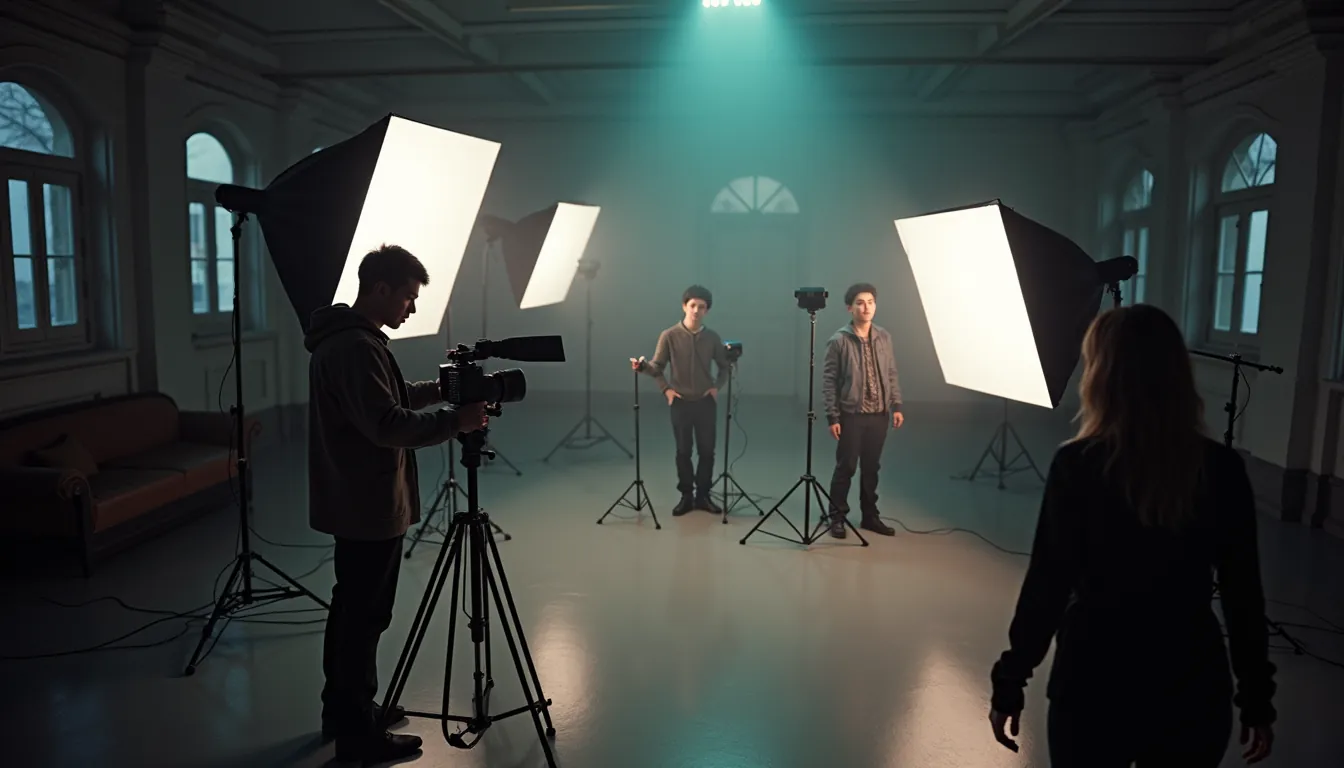
Working with child actors means planning the shoot around the child's legal limits, schooling and energy, then running a calm set where a parent or licensed chaperone is always present. Before casting, find out what your state or country requires (work permits, licenses, hour limits, a set teacher), build the schedule so the child's scenes come first, and put every child-related time and contact on the call sheet.
What rules apply when you film with a child?
Rules for minors on set are set locally, so the first job is to find out which ones apply where you shoot. They differ between US states, between countries, and sometimes between a union shoot and a non-union one. The same short film could need a permit in one city and a council license in another.
The areas the rules usually cover are:
- Permission to work. Many places require an entertainment work permit or performance license for each child, issued before the shoot. California, for example, issues entertainment work permits for minors. In the UK, children usually need a performance license from their local council.
- Hours. Limits on how long a child can be at work, how long they can actually perform, and how late they can stay. Limits are usually tighter the younger the child is, and babies have the strictest limits of all.
- Supervision. A parent or guardian, or a licensed chaperone, within sight of the child at all times.
- Schooling. On school days, some places require a qualified studio teacher or tutor on set, and a set amount of teaching time.
- Earnings. Some places require part of the child's pay to go into a protected trust account. California's Coogan accounts are the best known example.
Ask your state labor department, local council or film office, and the relevant union if you are working under an agreement. Get the answer in writing, and leave enough lead time: permits and licenses can take days or weeks to come through.
How do you cast a child actor?
Cast the child and the family together, because the parent will be on set every day. Through the casting call, ask for the child's age, the area they live in, school term dates and any days they cannot work. In the audition, watch how the child takes a simple redirection, such as "now say it like you have a secret". A child who can play with a note is often easier to work with than one who has a polished, fixed reading.
Many productions also cast twins or two similar looking children for very young roles, so one can rest while the other works. For older children this is rarely needed.
How do you schedule a shoot day with a child?
Schedule the child's scenes first, keep their working time inside the legal limit, and release them as early as you can. Children are usually at their best early in the day, and the adult scenes can carry on after they leave.
- Start from the limit. Write down the maximum time at work, the maximum time performing, the latest finish and any required school time for that child's age.
- Put their scenes at the front. On the stripboard, order the day so the child shoots first, then adults only.
- Shoot the child's side first. In a scene with an adult, shoot the child's coverage first and the adult's coverage after the child is released. A stand-in or the script supervisor can read the child's lines off camera.
- Prelight with a stand-in. Light and block with an adult or older stand-in so the child only comes to set to shoot.
- Plan breaks and school. Block out school time and rest time as fixed items in the day, the same way you would a meal.
- Add buffer. A child's day ends at the limit whether the scene is finished or not. Plan fewer setups than you would with adults.
What does a call sheet look like for a child performer?
A child's call sheet entry shows the guardian, the hours on the clock and the school time, so nobody has to work it out on the day. Here is one day from a short called "Paper Kites", about a nine year old named Tilly who builds kites with her grandfather, Amos.
| Field | Entry |
|---|---|
| Cast 2 | Tilly (age 9), with parent as guardian on set |
| Permit | Work permit on file, copy with the 2nd AD |
| Arrive | 8:30 AM with guardian, to wardrobe |
| School | 9:00 to 10:30 AM with tutor in the green room |
| On set | 10:45 AM, Sc. 4 and Sc. 6 (Tilly's coverage first) |
| Lunch | 12:30 PM with the unit |
| Wrap | 2:00 PM latest. Amos's coverage of Sc. 6 continues after |
| Contacts | Guardian mobile, tutor mobile, 2nd AD mobile |
The times are an example only. Your own limits set the real numbers.
Who is responsible for a child on set?
The producer is responsible for following the law. The 2nd AD usually tracks the child's hours through the day, and the parent, guardian or chaperone looks after the child's welfare. If there is a studio teacher or tutor, they may also have authority to stop work when the child's welfare or schooling is at risk, depending on local rules. Agree before day one who calls time, and make sure the 1st AD knows the exact wrap time for the child.
How do you keep a child comfortable and safe on set?
- Give them a base. A quiet room with snacks, water, books and a place to sit, away from cables and lights.
- Introduce the crew. Let the child see the camera, the boom and the slate before rolling. A set that has been explained is less scary.
- One voice. Only the director, or one person the director names, gives the child notes.
- Talk to them plainly. Use action words they can play ("look for your shoe under the bed") instead of emotional labels ("be sad").
- Protect them from the material. For frightening or adult scenes, shoot the child's reactions to something harmless and keep the full scene away from them. Agree on this with the parents in advance.
- Keep hazards away. No stunts, weapons, smoke or vehicles near the child without specific planning and the parents' agreement, and only where local rules allow it.
- Check the language. Ask the crew to watch what they say on set when a child is present.
What paperwork do you need for a child actor?
You usually need the child's permit or license, a release or contract signed by a parent or guardian, emergency contacts, any medical or allergy information, and the guardian's ID or proof of guardianship. Minors generally cannot sign contracts or talent releases on their own, so the parent signs. Check the wording with a lawyer, because rules on minors' contracts and earnings vary.
What are common mistakes with child actors?
- Casting first and only then checking permit lead times.
- Scheduling the child's scenes late in the day, when they are tired and close to the limit.
- Counting only time on camera, when the limit covers the whole time at work.
- Letting several crew members give the child notes.
- Forgetting school dates and booking shoot days on exam weeks.
- Not having a plan for the adult's coverage once the child has gone.
Managing child performers in Lowerated
In Lowerated you can mark the days a child cannot work, such as school days, and the stripboard warns you if one of their scenes lands on that day. Once the schedule is set, the call sheet for each shoot day is built from it, with call times, locations and crew filled in. Add the guardian, school time and wrap time when you review it, then send it the night before.
The clip shows days marked as unavailable and a warning when a scene lands on a day someone is out.
Parental releases can be sent and signed online and stored with the project. You can also collect each family's contact and emergency details with the cast and crew info form, which people fill in from their phone.
FAQ
Can a parent be the chaperone?
In many places a parent or legal guardian can supervise their own child. Some places require a licensed chaperone in certain cases, so check the local rules.
How many hours can a child actor work?
It depends on the child's age and where you shoot, and the limit usually counts all time at work, including breaks and school. Ask your local labor office, council or film office for the exact numbers.
Do child actors need a tutor on set?
Often, on school days. Some places require a qualified studio teacher whenever a minor works. Others only require it during the school term.
Can a child play a scene with frightening content?
Usually yes, if you shoot their part in a way that keeps the frightening material away from them, and the parents agree in advance.
Key takeaways
- Check permit, hour, supervision and schooling rules before you cast, and allow lead time.
- Schedule the child's scenes first in the day and shoot their side of each scene first.
- A parent, guardian or chaperone stays with the child at all times.
- Put the child's arrival, school time, wrap time and guardian on the call sheet.
- Have the parent sign the release, and confirm the wording with a lawyer.