Costume Breakdown: Planning Costumes From Script to Fittings


By Muhammad Wisal and Muhammad Ali / 7 min read
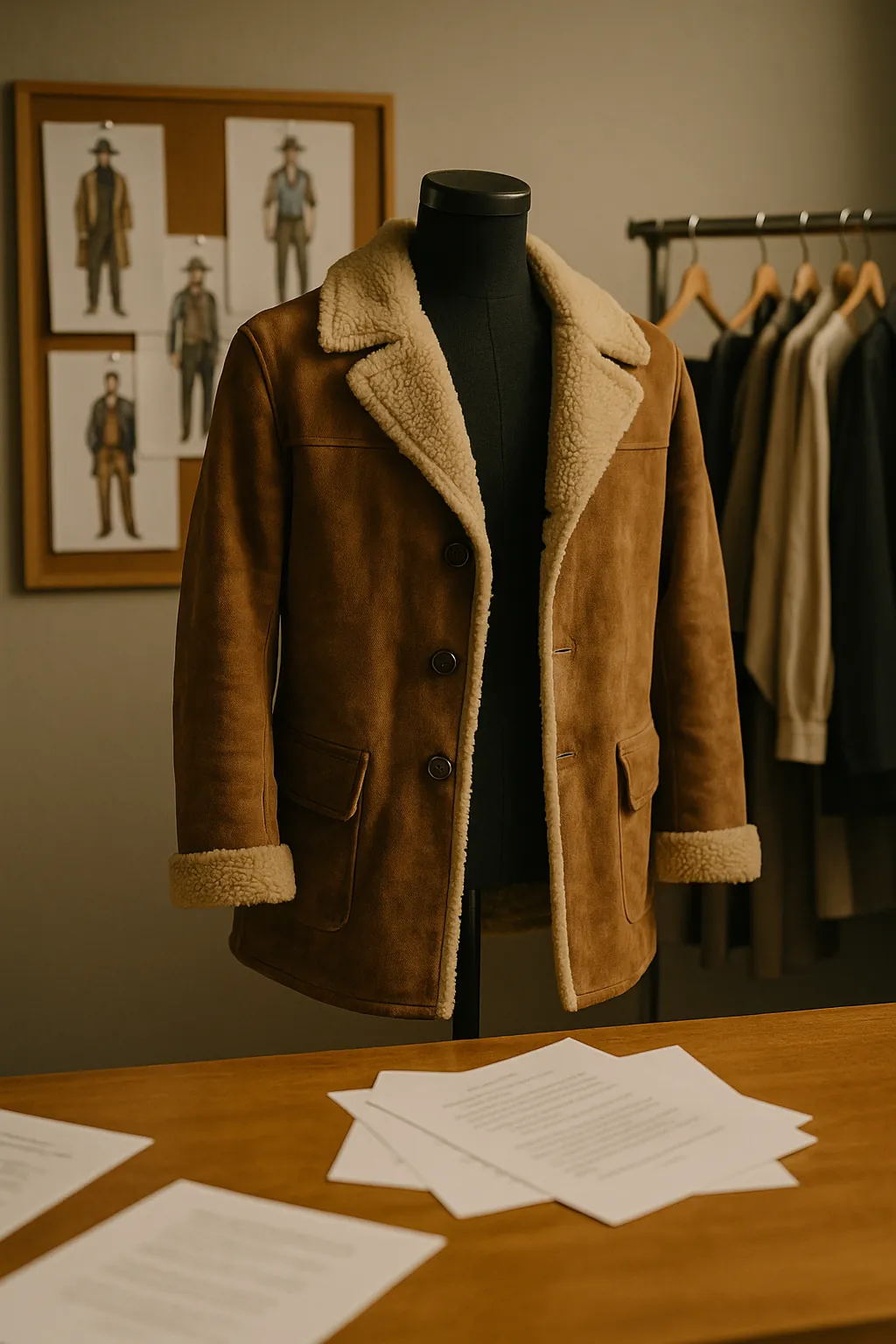
A costume breakdown lists every costume each character wears, scene by scene, with story days and change numbers, so the costume team knows exactly how many outfits, duplicates and fittings the film needs. You build it from the script breakdown, turn it into a costume plot per character, then use it to plan sourcing and fittings before the shoot.
What is a costume breakdown?
A costume breakdown is the wardrobe department's version of the script breakdown. It goes through the screenplay scene by scene and records who appears, what story day it is, what each character wears, and anything that happens to the clothes, such as rain, blood or a torn sleeve. The result is usually organized as a costume plot: one table per character showing each change and the scenes it covers.
The costume designer leads it, with the wardrobe supervisor tracking the details. On a short film with no costume department, the producer or production designer often does it, and it is still worth doing on paper.
What are story days and change numbers?
A story day is a day in the film's timeline, which is different from a shoot day. Scene 3 and scene 40 might both happen on story day 2, even if you shoot them two weeks apart. A new story day usually means a new costume, unless the script says otherwise.
A change number labels each distinct costume for a character, in story order: Change 1, Change 2, and so on. Everyone uses the same numbers, so the call sheet, the rack and the continuity photos all point to the same outfit. Mark story days at the top of each scene in your script before you start, because every costume decision follows from them.
What goes in a costume plot?
A costume plot has one row per change, with the scenes, story day, a description and any duplicates needed. Here is a sample for GRETA, the lead in "Nine Miles to Albany", a three day road story about a woman driving her father home from the hospital.
| Change | Scenes | Story day | Description | Multiples | Notes |
|---|---|---|---|---|---|
| Greta C1 | 1, 2, 4 | Day 1 | Gray work scrubs, white sneakers, navy puffer jacket | 1 | Jacket comes off in Sc. 4 |
| Greta C2 | 5 to 9 | Day 1, night | Same jacket over a faded band T-shirt, jeans | 2 T-shirts | Coffee spill in Sc. 8 |
| Greta C3 | 10 to 15 | Day 2 | Borrowed flannel shirt from her father, same jeans | 2 shirts | Gets soaked in Sc. 14, dry spare needed |
| Greta C4 | 16 to 21 | Day 3 | Green sweater, jeans, the navy jacket again | 1 | Matches her look from Day 1 on purpose |
The Notes column is where most problems get caught. A coffee spill in scene 8 means you need a clean T-shirt for scenes 5 to 7 and a stained one for everything after, plus a spare in case scene 8 needs a second take.
How do you do a costume breakdown step by step?
- Mark story days. Read the script and write the story day on every scene. Agree the timeline with the director and the script supervisor.
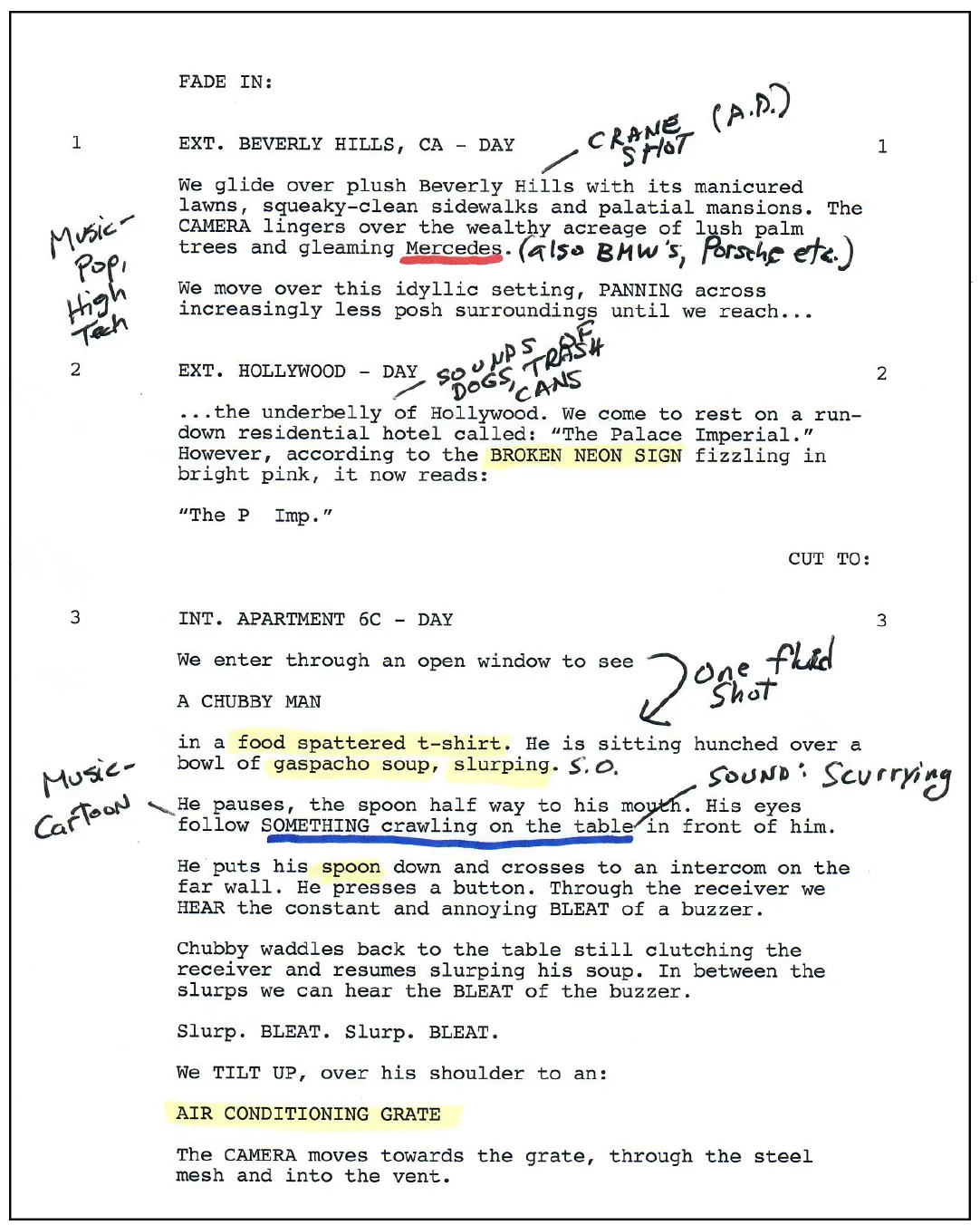
- Tag wardrobe in the script. For each scene, tag the characters present and every costume detail the script mentions, including damage and weather. See how to tag a script for breakdown.
- Group scenes into changes. For each character, decide where one costume ends and the next begins. Give each a change number.
- Flag multiples. Any costume that gets wet, bloody, torn or used in a stunt needs duplicates. So does a costume worn by an actor and a stunt or photo double.
- Build the look. Gather references and a color palette with the director, production designer and DP, so costumes and sets work together. A mood board is the usual place for this.
- Collect sizes. Get measurements and sizes from each cast member as soon as they are cast.
- Decide how to source each piece. Pull from stock, buy, rent, build, or use the actor's own clothes. Each choice affects the budget and how many duplicates you can get.
- Schedule fittings. Book fittings once cast is confirmed, with enough time left for alterations.
- Prep the rack. Label every piece by character and change number, and bag accessories with it.
How do you run a costume fitting?
A fitting is a session where the actor tries on each change so the costume team can check fit, adjust the look and note alterations. Plan for one fitting per principal actor at least a week or two before their first shoot day, and a second fitting if the costumes are built or heavily altered.
- Have each change hung and labeled in story order before the actor arrives.
- Photograph the actor in every change, front, side and back, with the change number visible on a card.
- Get the director's approval on the main changes, either in the room or from the photos.
- Write down every alteration with the date it is needed.
- Check movement. If the actor runs, climbs or drives in a scene, ask them to do it in the costume.
Some union agreements require fittings to be paid or limit their length, and the rules vary. Check the terms that apply to your cast before you book.
How do you handle background actors' costumes?
For background actors, send wardrobe instructions with their call time rather than fitting everyone. Ask them to bring two or three options in the colors you want, with no logos, no bright white and no small patterns that flicker on camera. The wardrobe team picks from what arrives and keeps a few spare pieces on set for anyone who comes in the wrong clothes. Note on the breakdown sheet how many background actors each scene needs, so you can plan for it.
Common costume breakdown mistakes
- Ignoring story days. Planning by shoot day leads to a character wearing day 3 clothes in a day 1 scene.
- No multiples for damage. One shirt that gets soaked in take one ends your day.
- Late sizes. Without sizes you cannot shop or rent, and fittings slip toward the shoot.
- Costumes that fight the set. A red dress against a red wall disappears. Check the palette with the art department.
- No continuity photos. Without photos of how a jacket was zipped or a sleeve was rolled, reshoots and pickups do not match. See how continuity is kept.
How does the costume breakdown connect to other documents?
The costume breakdown comes from the script breakdown and feeds several other documents. The costume plot sets the wardrobe lines in the budget. Fittings go into the schedule and the cast's work days. Each call sheet lists which change each actor is in that day. Costume pieces that are handled in a scene, such as a watch that gets checked or a scarf that gets handed over, often overlap with the prop list, so agree with props who owns them.
Planning costumes in Lowerated
In Lowerated, the costume breakdown starts with tagging. Tag wardrobe, cast, props and locations right in the script. Tag something once and every mention lights up, and every tag flows into your breakdown, your schedule and your budget. The scene breakdown is built from your screenplay, and you review and adjust it.
The clip shows props, wardrobe, cast and locations tagged in the script, with each tag flowing into the breakdown, schedule and budget.
For the look, build a mood board with color palettes, reference images, wardrobe and locations in one place for the whole team. Cast sizes can come in through an info form: people fill in their contact info, emergency contacts and sizes from their phone, and it lands in the project.
The clip shows a mood board with color palettes, reference images, wardrobe and locations for the whole team.
FAQ
Who does the costume breakdown?
The costume designer, usually with the wardrobe supervisor. On small productions the producer or production designer often does it.
What is the difference between a costume breakdown and a costume plot?
The breakdown is the scene by scene pass through the script. The costume plot is the result organized by character, listing each change and the scenes it covers.
How many duplicates of a costume do you need?
It depends on the action. Plan at least one spare for any costume that gets wet, dirty, bloody or torn, and more if the scene needs many takes or a stunt double.
When should costume fittings happen?
Once the cast is confirmed, ideally a week or two before the actor's first shoot day, so there is time for alterations.
Key takeaways
- Mark story days first. Every costume change follows from the film's timeline.
- Give each change a number per character and use it everywhere: rack, photos, call sheets.
- Flag multiples for any costume that gets wet, damaged or used in a stunt.
- Collect sizes early and book fittings with time left for alterations.
- Agree the palette with the art department and DP so costumes and sets work together.