How to Make a Mood Board for a Film


By Muhammad Wisal and Muhammad Ali / 8 min read
A film mood board is a curated set of images, colors and short notes that shows how your film should look and feel. To make one, start from the script's themes, collect references for color, light, framing, locations, wardrobe and texture, cut them down to the strongest 15 to 30 images per board, and write one line under each image saying why it is there. The board is finished when your director of photography, production designer and costume designer can look at it and describe the same film back to you.
What is a mood board for a film used for?
A mood board gets the heads of department agreeing on a look before anyone spends money. "Gritty" means different things to different people. A picture of a sodium-lit parking garage at 2am does not.
It is used in three main ways:
- Aligning the team. The director, DP, production designer, costume designer and hair and makeup artist all work from the same references, so their choices fit together on screen.
- Pitching. Producers, financiers and actors often decide on tone faster from a page of images than from a script.
- Making decisions later. When a location falls through, you check the replacement against the board.
What is the difference between a mood board, a look book and a storyboard?
A mood board is a loose, working collection of references for tone and style; a look book is a polished document built from it for pitching; a storyboard shows specific shots in order. They usually come in that order.
| Document | What it shows | Who it is for | When |
|---|---|---|---|
| Mood board | Color, light, texture, places, clothes, feeling | Director and heads of department | Development and early pre-production |
| Look book | Logline, synopsis, tone, characters, curated visuals, director's statement | Producers, investors, cast, festivals | Development and financing |
| Storyboard | Specific shots in sequence, with framing and action | Director, DP, 1st AD, VFX and stunts | Alongside the shot list, before the shoot |
For more on boards, read why storyboarding matters.
What should a film mood board include?
A useful film mood board covers every visual department, plus a few words for tone. Not every project needs every row, but check each one before you leave it out.
| Element | What to show | Example |
|---|---|---|
| Color palette | 4 to 6 swatches, one dominant, one accent | Muted teal, gray, off-white, one rust orange accent |
| Lighting | Quality, direction, contrast, practicals | Hard top light from fluorescent tubes, deep shadows under the eyes |
| Framing and lens | Shot sizes, lens feel, camera height, movement | Wide lenses close to faces, static frames, lots of headroom |
| Locations | Architecture, scale, era, weather | 1970s public housing blocks, wet concrete, empty bus stops |
| Set dressing | Clutter level, key props, surfaces | Sparse kitchen, one radio, peeling wallpaper |
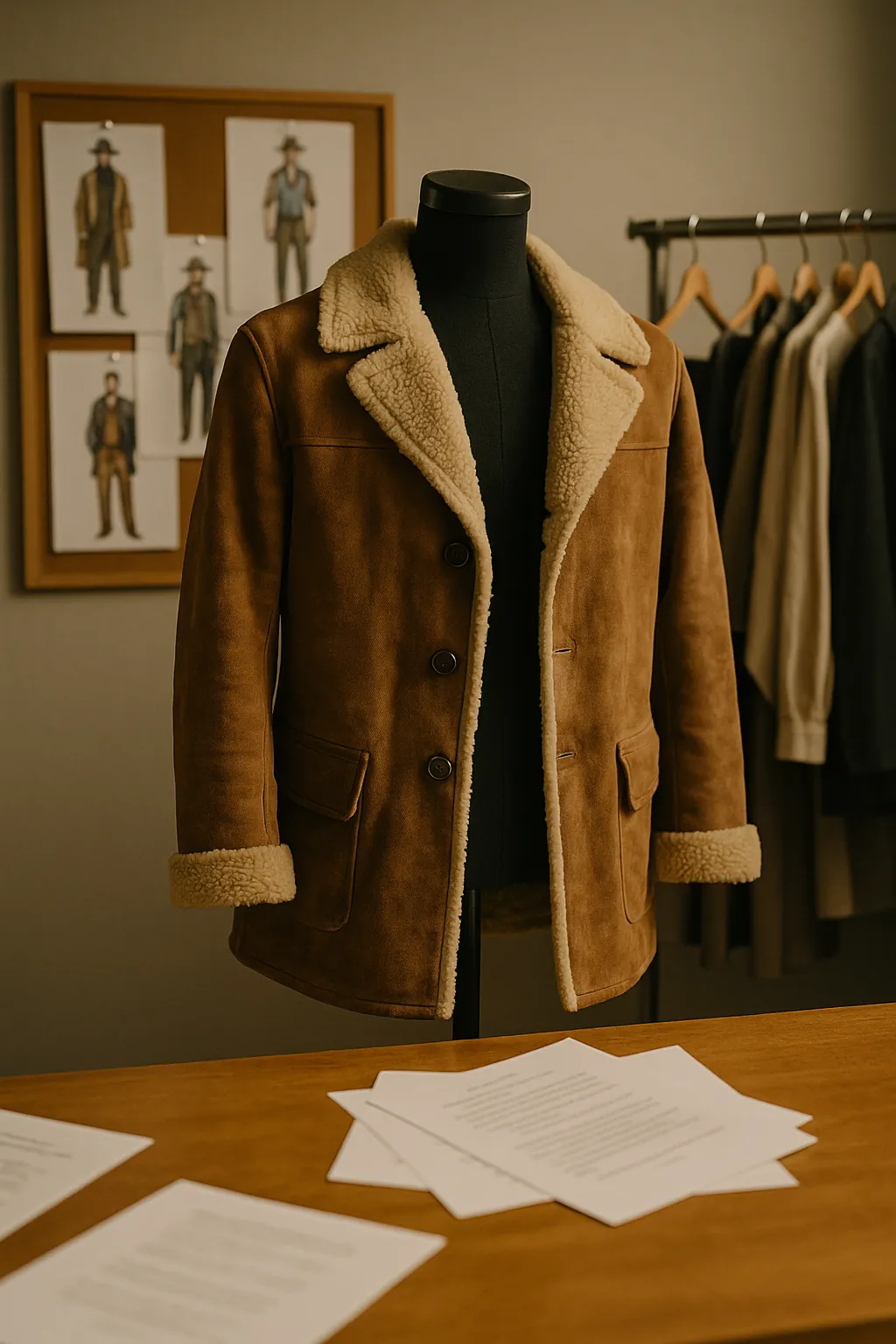
| Wardrobe | Silhouettes, fabrics, color per character | Lead in oversized wool coat, everyone else in synthetic sportswear |
| Hair and makeup | Skin finish, aging, wear and tear | Natural skin, visible tiredness, no glamour lighting |
| Texture | Grain, softness, surfaces | Visible film grain, condensation on glass, rough plaster |
| Tone words and music | 3 to 5 words, one or two tracks | "Cold, patient, tender at the end"; a slow piano piece |
Where do mood board references come from?
References come from four main places: film stills, photography, paintings and your own photos of real locations. Mixing sources keeps the board from turning into a copy of one film.
- Film stills. Good for lighting and framing, because they already show how a look reads on camera. Note the film title and the scene.
- Photography. Documentary and street photography is useful for real places, real clothes and natural light.
- Paintings. Useful for color, composition and how light falls in a room.
- Your own photos. Scout photos, fabric samples and test shots are the most useful, because they show what you can actually get.
Crediting and use. Note the source of every image you did not take: film and year, photographer, or painter and title. Inside your team, the board is working reference. Before it goes into a public pitch or online, get permission or swap in your own location photos and tests.
How do you make a mood board for a movie step by step?
- Start from the script. Write down the themes and the emotional change the film is about, such as isolation giving way to connection. The look should be able to show that change.
- Decide how many boards you need. Make one board per world or act when the look changes. A film that moves from a city to a farm, or from a cold first act to a warmer ending, needs separate boards so each department can see the shift.
- Collect wide, then cut hard. Gather freely for a few days, then cut each board to about 15 to 30 images. If an image does not change what someone will do, remove it.
- Set the palette. Pull 4 to 6 colors from your best images. Note which colors belong to which characters or places.
- Annotate every image. One line under each: "Light quality for the apartment at night", "Coat shape for Dara", "This much clutter, no more". The note is what turns a picture into an instruction.
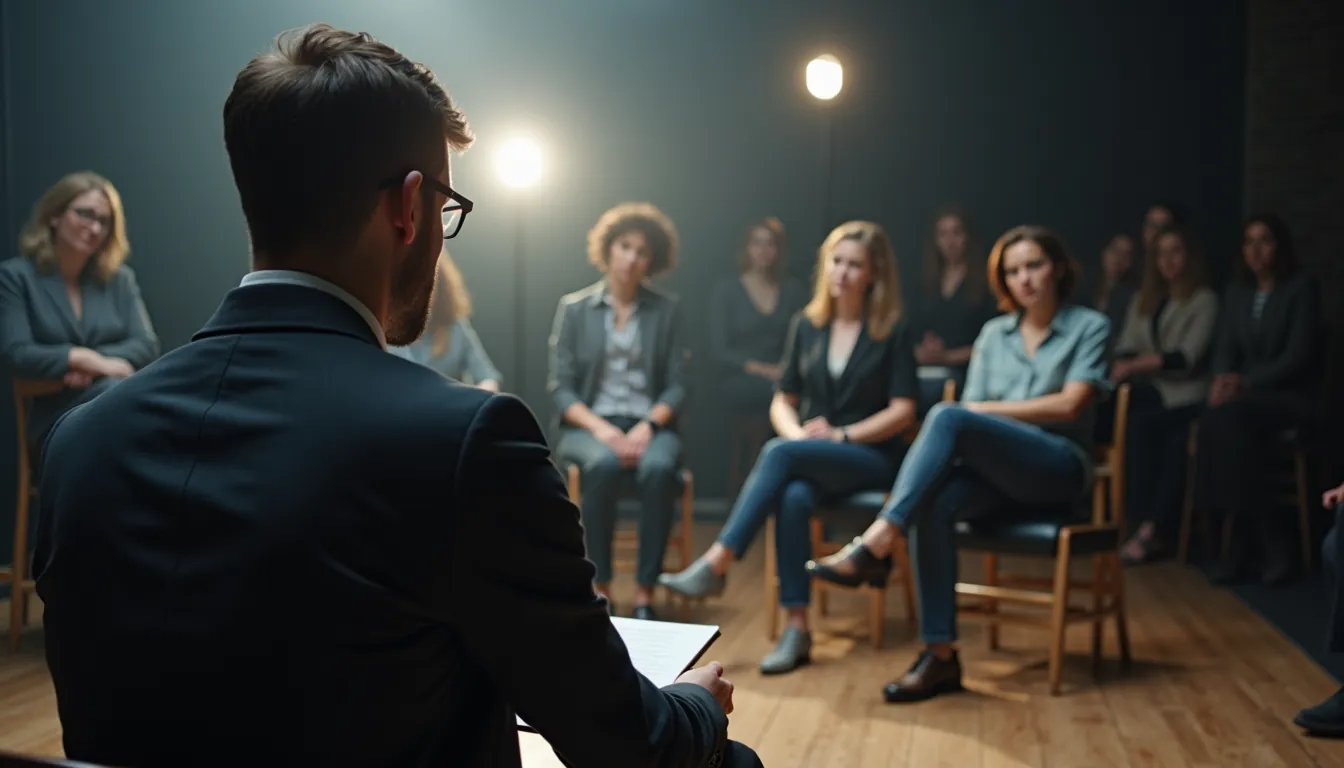
- Review it with each department. Walk the DP, designer and costume through it and ask what they would change.
- Lock it, then update with intent. Once prep starts, mark the board as current and replace references with real location photos, costume fittings and camera tests as they come in.
What does a mood board look like for a short film?
A 12 minute short about a night-shift cleaner who befriends a security guard in an office tower.
Board 1: The building at night (pages 1 to 7)
- Palette: fluorescent green-white, gray carpet, dark glass, one warm amber desk lamp.
- Lighting: overhead tubes, empty floors lit in patches, city glow through windows.
- Framing: wide and static, characters small in large spaces, long corridors.
- Locations: open-plan offices, service lift, stairwell. Your own scout photos of the actual building.
- Wardrobe: cleaner in a faded blue tunic, guard in an ill-fitting uniform.
- Tone words: "Quiet, lonely, a little funny."
Board 2: The rooftop at dawn (pages 8 to 12)
- Palette: pale pink and blue sky, warmer skin tones, the amber lamp color now in the sunrise.
- Lighting: soft natural light, low sun, no artificial sources.
- Framing: closer, handheld, the two characters sharing the frame.
- Wardrobe: tunic and uniform jacket off, layers that show who they are outside work.
- Tone words: "Open, warm, earned."
The amber accent is flagged as the link between the two worlds.
What are common mood board mistakes?
- Too many images. People skim a 200-image board and take away different things.
- Copying one film. If every reference comes from one movie, your team will make a weaker version of it. Mix sources and add your own photos.
- No notes. An unlabeled image can be read for its color, its lens, its location or its costume. Say which.
- Looks you cannot afford. Check every reference against the budget and the locations you actually have.
How does a mood board connect to shot lists, storyboards and costume?
The mood board sets the rules, and the documents after it apply those rules to specific scenes. The DP uses the framing and lighting references when building the shot list, choosing lenses and camera movement per scene. The storyboard artist uses the same references for composition and contrast in each frame. The costume designer turns the wardrobe references into character color plans and fitting lists, while the production designer uses the location and set dressing references alongside the props and wardrobe in the script breakdown. Location references guide the location scout. See the short film pre-production guide for how it all fits together.
How to make a film mood board in Lowerated
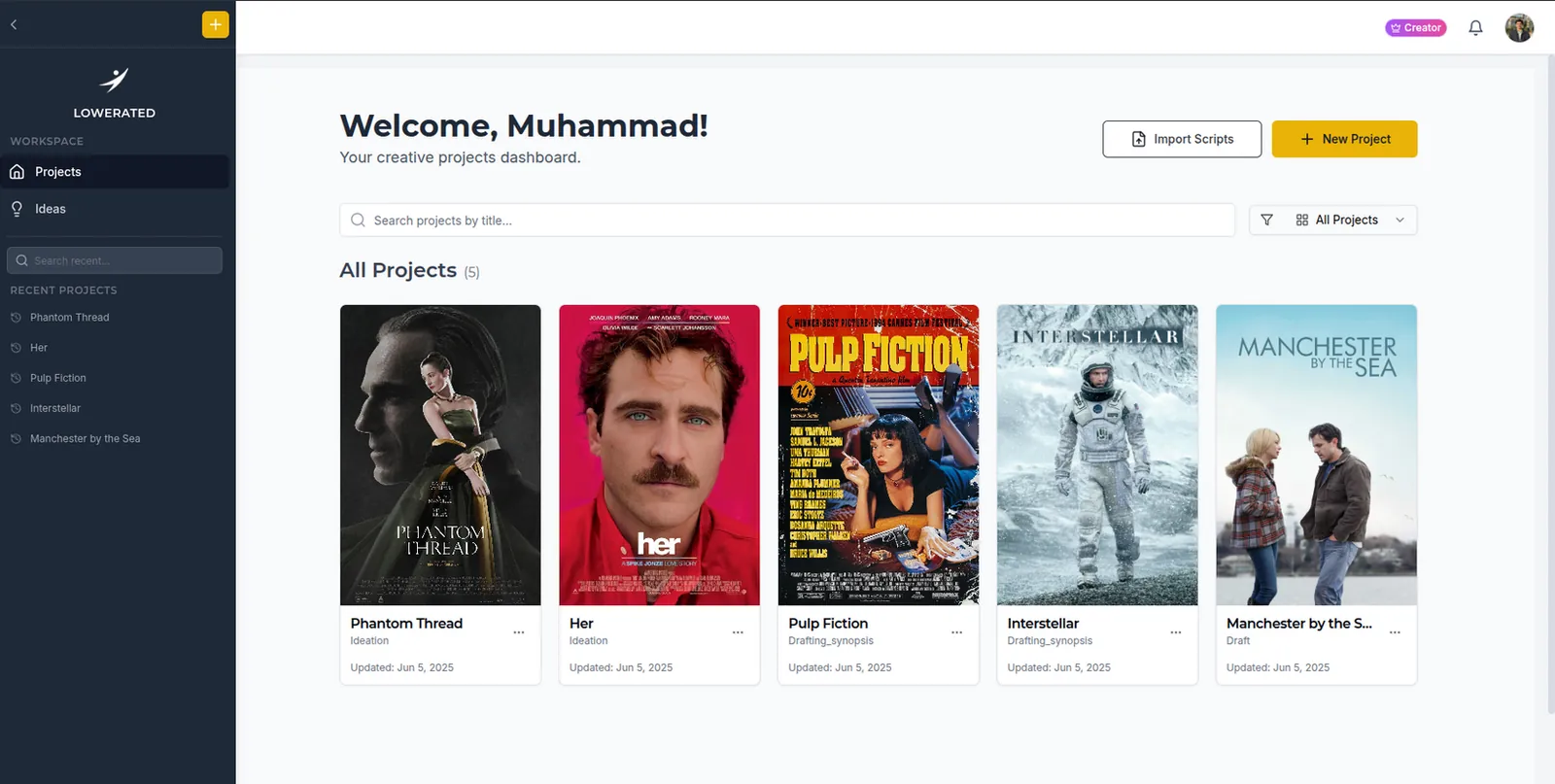
In Lowerated, mood boards sit in the same project as your script and the rest of your pre-production work, so the team finds them next to the breakdown, shot lists and storyboards.
- Add a color palette for the film or for each world.
- Add reference images for lighting, framing and texture.
- Add wardrobe and location references, including your own scout and fitting photos as they come in.
- Bring your heads of department into the project so everyone works from one board.
The clip shows a mood board built with color palettes, reference images, wardrobe and locations, kept in one place for the whole team.
Mood boards are part of the Producer plan ($30 a month), along with shot lists, storyboards, location scouting, budgeting and scheduling. You can start a free account and compare plans on the pricing page.
FAQ
How many images should a film mood board have?
Aim for about 15 to 30 images per board. If the look changes between worlds or acts, make a separate board for each rather than one large one.
Who makes the mood board on a film?
The director usually starts it. The DP, production designer and costume designer then add to it, and on larger shoots each department often keeps its own detailed board.
Can I use film stills on my mood board?
For internal reference within your team, film stills are commonly used. Credit the source, and get permission or use your own images before publishing the board or putting it in a public pitch.
Is a mood board the same as a look book?
No. The mood board is the working reference for the crew. A look book is a finished pitch document that uses selected images from it alongside the logline, synopsis and director's statement.
Key takeaways
- A film mood board shows the look and feel so every department makes choices that fit together.
- Cover color, light, framing, locations, set dressing, wardrobe, hair and makeup, texture and tone.
- Start from the script's themes, make one board per world or act, and keep each to 15 to 30 images.
- Write a short note under every image saying why it is there.
- Credit your sources, and swap in your own photos before the board is shared outside the team.