Film Set Etiquette for First-Timers


By Muhammad Wisal and Muhammad Ali / 6 min read
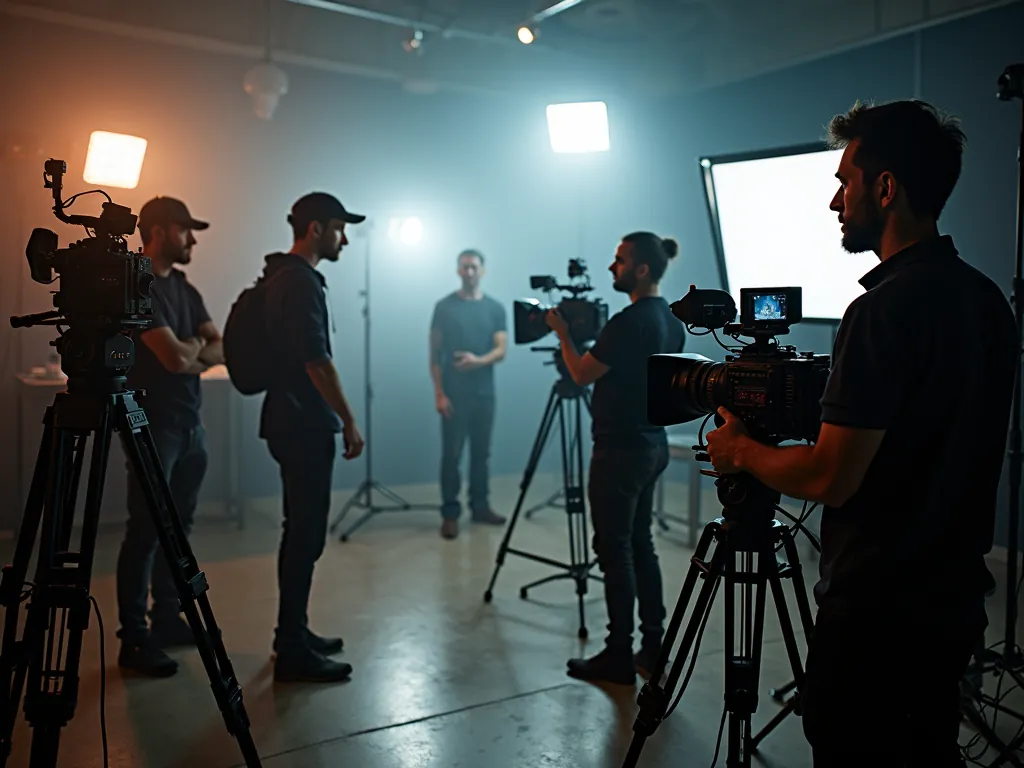
Film set etiquette comes down to a few habits: arrive early, know your job and do only your job, stay quiet and still when the camera rolls, keep out of the lens and the actors' eyeline, never touch another department's equipment, and answer the 1st AD quickly. First-timers who follow these rules, ask before they act and keep their phone away are usually asked back.
Why does film set etiquette matter?
A film set runs on time pressure, safety and trust. Dozens of people work in a small space around heavy equipment, live power and actors who need to concentrate. The habits below exist because each one prevents a real problem: a ruined take, an injury, a missed shot or a crew member who stops trusting you. Learn them before your first day and you will spend that day learning the work instead of apologizing.
What are the basic rules of film set etiquette?
- Be early. Your call time is when you start working, so arrive 10 to 15 minutes before it, fed and ready. Check the call sheet the night before for your time and where to report.
- Check in. Tell your department head, or the 2nd AD if you are cast or a production assistant, that you have arrived. Do the same before you leave.
- Do your job and only your job. Each department owns its gear and its decisions. Offer help, but wait to be asked.
- Never touch another department's equipment. Do not move a light, a stand, a prop or a cable that is not yours, even to tidy up. It may be placed for a reason, and you may be the one blamed when it falls.
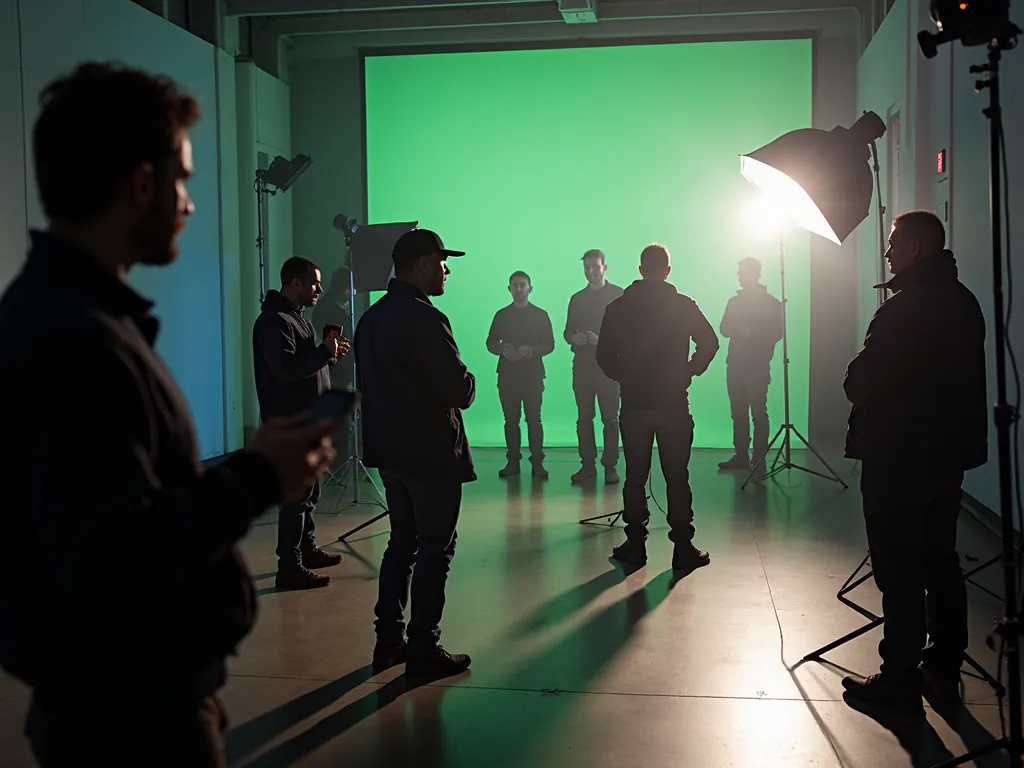
- Freeze when the camera rolls. Once you hear "rolling", stop where you are, stay silent and do not move until "cut". If you are in a doorway, stay in it.
- Stay out of the lens and the eyeline. Ask the camera team where the frame edges are. Never stand where an actor looks during a take, because it breaks their concentration.
- Phone on silent and out of sight. Not on vibrate. Avoid scrolling near the set, and never post photos of the set, cast or script unless production has said you can.
- Repeat back instructions. If the AD asks you to do something, confirm you heard it and confirm when it is done.
- Keep the set clear. Do not linger near the camera or the monitor if you are not needed. Stay close enough to be found quickly.
- Say "thank you" and mean it. Everyone is tired by hour ten. Good manners make the day easier for the whole unit.
How should you talk on a walkie?
Use the walkie for short, clear messages and nothing else. Press the button, wait a beat, then speak, so the start of your sentence is not cut off. Learn these common terms; usage varies slightly between crews.
| Term | Meaning |
|---|---|
| "Copy" or "Copy that" | I heard and understood your message |
| "Go for (name)" | I am listening, go ahead with your message |
| "Go to channel two" | Switch to another channel for a private conversation |
| "Stand by" | Wait, I will answer shortly |
| "10-1" | I am going to the bathroom |
| "Flying in" | I am bringing it right now |
| "What's your 20?" | Where are you? |
| "Lock it up" | Hold people and noise, we are about to roll |
Do not chat on the main channel. Never key the walkie during a take, and turn your earpiece volume low so it does not leak into the sound recording.
How should you behave around actors?
Treat actors as colleagues who are doing focused, sometimes exposed work, and let them prepare in peace. Do not give actors notes on their performance; that comes only from the director. Do not ask for photos or autographs. Let them come to you to talk. If you need an actor for wardrobe, makeup or the set, go through the 2nd AD or the department responsible, so the actor gets one clear instruction instead of three. On scenes with nudity or intimacy, the set will usually be closed to non-essential crew. If you are asked to leave, leave without comment.
What words and calls should first-timers know?
- "Back to one": actors and background return to their starting positions for another take.
- "Last looks": hair, makeup and wardrobe make final checks before the roll.
- "Checking the gate" or "Check the frame": the camera team confirms the shot is clean before moving on.
- "Moving on": the setup is done; the crew prepares the next one.
- "Points" or "Watch your back": someone is carrying something sharp or heavy past you. Move out of the way.
- "Crafty": craft services, the snack and drinks table. Take what you need and keep it tidy.
- "Martini shot": the last shot of the day.
The roll sequence before each take (roll sound, speed, roll camera, marker, action) is explained in our guide to what happens on a film shoot day.
What are the safety rules everyone should follow?
Safety rules on set are not optional, and they apply to everyone from the producer down. Listen to the safety briefing at the start of the day. Walk, never run. Watch for cables and tape them down or flag them if you spot a hazard, but tell the right department instead of moving their gear. Do not stand under rigged lights or near a crane, dolly track or vehicle unless you are part of that operation. If you see something unsafe, say so to the 1st AD right away. Stunts, weapons, water, heights and animals each need a specific plan from qualified people; our guide to stunt and safety planning covers the basics. Exact rules vary by country and union, so follow the production's safety officer or 1st AD.
What are the most common first-timer mistakes?
- Standing behind the director at the monitor to "see what's happening".
- Sitting in a chair with someone's name on it. Those belong to the director, cast or key crew.
- Walking through the set or across the frame between takes without checking.
- Talking during a take, or rustling a snack wrapper near the boom.
- Leaving without telling anyone, then being needed ten minutes later.
- Offering creative opinions to the director or DP when nobody asked.
- Taking the last of the food before the crew who are still working on set have eaten.
How do you get hired again?
Most crew work comes from people who have worked with you before. They remember who was on time, who kept quiet, who listened and who could be trusted with a task. Learn names on day one. Ask your department head how they like things done. At wrap, help until your department is finished, check out with your head of department, and thank the people you worked with. If you want to grow into a specific role, see our guide to film crew roles and ask the person doing that job if you can watch them work.
FAQ
What should I bring on my first day on a film set?
Comfortable closed-toe shoes, layers for weather, a water bottle, a notebook and pen, a phone charger and any documents production asked for. Wear black or dark clothing if you might be near the camera.
Can I take photos on a film set?
Only if production says you can. Many sets ban photos, and posting script pages or cast photos can break a confidentiality agreement.
What should I do if I make a mistake on set?
Tell your department head or the AD right away and be brief. A fast, honest report is much easier to fix than a problem found later.
Is it okay to talk to the director?
Yes, at the right time, such as at lunch or wrap. During the shoot, let them focus and route questions through your head of department or the AD.
Key takeaways
- Arrive early, check in, and check out before you leave.
- Do your own job and never move another department's gear.
- Freeze and stay silent from "rolling" to "cut", and stay out of the lens and the actors' eyeline.
- Keep walkie messages short and learn the common set terms.
- Report hazards and mistakes to the AD at once.