Working With Animals on a Film Set


By Muhammad Wisal and Muhammad Ali / 6 min read
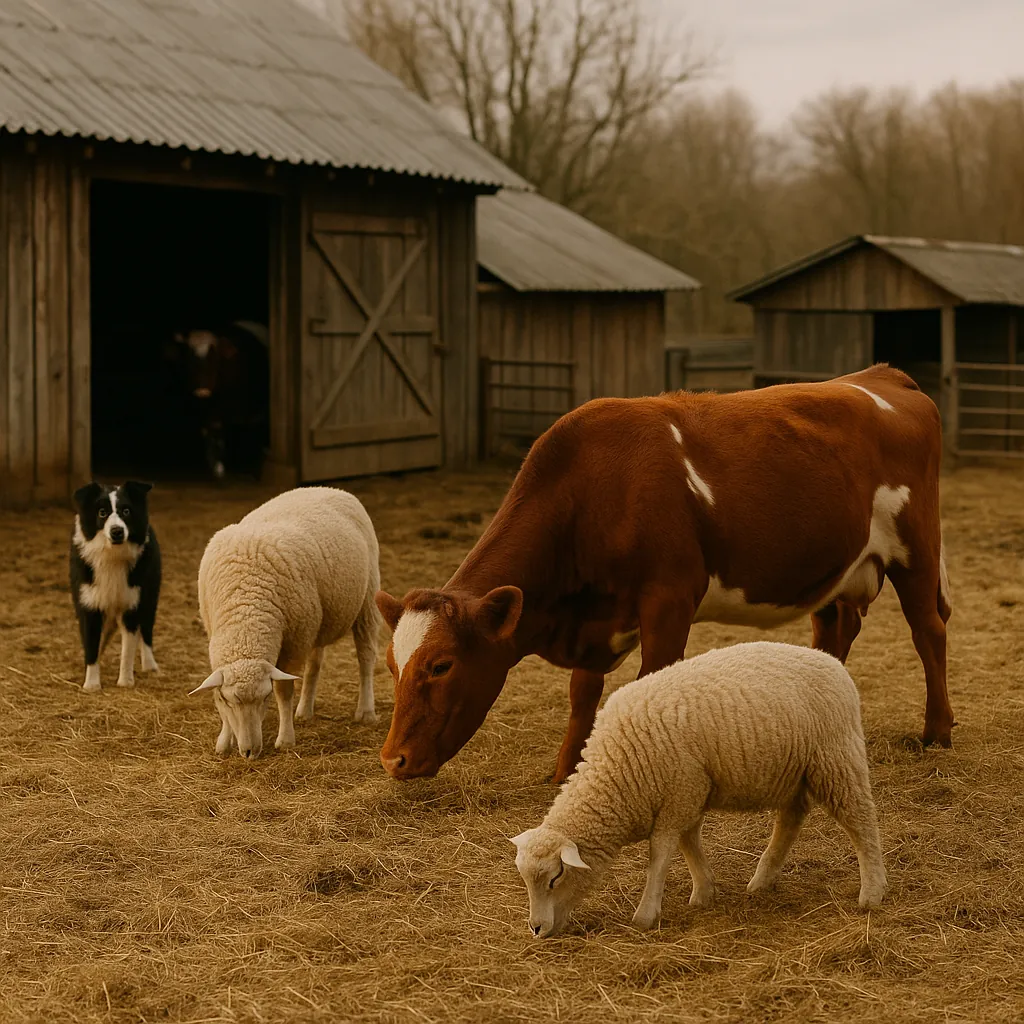
To put animals on a film set safely, flag every animal in the script during breakdown, hire a professional trainer or animal coordinator who supplies trained animals, plan the action with them before the shoot, and give the animals their own schedule, rest area and handler on the day. Rules on animal welfare and monitoring vary by country and by union agreement, so check them early.
Why are animals hard to film?
Animals cannot take direction the way actors can, and they get tired, hot, bored and frightened in ways a crew may not notice. A dog that nails a trick at home may freeze under lights with twenty strangers watching. Every animal scene takes longer than it reads on the page, and the welfare of the animal comes before the shot.
The good news is that most of the risk is in planning. If the trainer has read the scene, rehearsed the behavior and seen the location before the shoot day, the scene usually works.
How do you break down animals in a script?
Treat every animal as its own breakdown element, the same way you would a prop or a cast member. Read the script and note each animal, what it has to do, and every scene it appears in. "A dog barks off screen" is a sound effect. "Biscuit runs to the door, picks up the letter and drops it at Hollis's feet" is a trained behavior that needs a trainer, rehearsal time and probably more than one dog.
| Field | What to note | Example |
|---|---|---|
| Animal | Species, breed, size, color, age | Biscuit, medium mixed breed, tan, adult |
| Scenes | Every scene number the animal appears in | Sc. 3, 7, 12, 19 |
| Action | What the animal must do in each scene | Sc. 12: run to door, pick up letter, drop it, sit |
| Contact | Which actors touch, hold or feed the animal | Hollis (cast 1) pets and feeds Biscuit in Sc. 7 |
| Doubles | Lookalike animals for different behaviors or rest | Two dogs: one for running, one for calm close-ups |
| Hazards | Anything near the animal that could hurt or scare it | Sc. 19 has a car pulling away in the background |
| Continuity | Collar, harness, grooming, markings | Red collar in all scenes. No harness visible |
This list goes on the breakdown sheet and feeds the schedule, the budget and the trainer's quote. See the breakdown sheet guide for where it fits with the other categories.
Who supplies and handles animals on set?
A professional animal trainer or coordinator usually supplies the animals, trains the behaviors and handles them on set. Use one even if a friend's dog looks perfect, because a trainer knows how the animal will react to lights, noise and repetition, and can say no when something is unsafe.
- Trainer or wrangler. Brings the animals, rehearses, handles them on set and decides when they need rest. Horses and livestock are often handled by wranglers.
- Welfare monitor. On some productions an independent monitor watches the animal action. In the US, American Humane runs a well known monitoring program for film and TV. Whether you need one depends on your agreements and location.
- Vet. Have a local vet's contact details ready, and for demanding scenes ask the trainer whether a vet should be present.
- Local license. Some places require trainers or anyone who keeps animals for performance to hold a license. Ask the trainer what they hold, and check with the local council or film office.
How do you plan an animal scene?
- Send the trainer the scenes early. Give them the pages and your breakdown notes, and ask what the animal can do in the time available.
- Simplify the action. Break complex behavior into short beats that can be shot separately and cut together. A dog that runs, picks up a letter and sits can be three shots.
- Plan your coverage around the animal. Decide which shots need the animal and which can use a reaction, an insert or an off screen sound.
- Rehearse at the location. If possible, bring the animal to the location before the shoot so it is not new on the day.
- Agree on cues and positions. The trainer needs a spot just off camera where the animal can see them. Plan framing and lighting so that spot stays clear.
- Agree the stop rules. Agree in advance that the trainer can stop or pause any take, and that the 1st AD will back them.
How do you schedule animals on a shoot day?
Group the animal's scenes together, shoot them early while the animal is fresh, and keep its time on set short. Ask the trainer how long the animal can work before a break, and build those breaks into the day.
Here is part of a shoot day for "The Long Field", a short about a farmer, Hollis, and the dog who finds his missing letter.
| Time | What happens |
|---|---|
| 7:00 AM | Crew call. Trainer arrives with two dogs, sets up a shaded rest area |
| 7:30 AM | Light and block Sc. 12 with a stand-in, no dog |
| 8:30 AM | Rehearse the run to the door with the dog, no camera |
| 9:00 AM | Shoot Sc. 12, dog shots first |
| 10:30 AM | Dog rest. Shoot Hollis's coverage of Sc. 12 without the dog |
| 11:15 AM | Shoot Sc. 7 close-ups with the calm double |
| 12:30 PM | Lunch. Dogs wrapped for the day |
Put the trainer, the animal's call time and any closed set notes on the call sheet so the whole crew knows.
What should the crew know when an animal is on set?
- Only the trainer gives the animal commands, food or attention.
- Keep noise down and avoid sudden movement during animal takes.
- No one brings their own pet to set.
- Keep the rest area quiet, shaded or warm as needed, with water, and away from foot traffic.
- Tell the trainer about anything new on set, such as a smoke machine, a generator start or a vehicle.
- Check for crew and cast allergies or fears before the day.
What are common mistakes with animals on film?
- Writing complex animal behavior into one continuous shot.
- Using an untrained pet because it belongs to someone on the crew.
- Bringing the animal in for setup and lighting instead of only for the shot.
- Scheduling animal scenes late in a long, hot day.
- Forgetting continuity details like the collar or a clipped coat.
- Not budgeting for doubles, rehearsal days and the trainer's travel.
Tagging animals in your Lowerated breakdown
In the Lowerated script editor you tag elements right in the script. Lowerated has 21 element types plus custom ones, and when you tag something once, every mention of it is tagged. Tag the dog once and every scene it appears in is flagged, so the animal flows into your breakdown, your schedule and your budget.
The clip shows props, wardrobe, cast and locations tagged in the script, with every mention lit up once something is tagged.
For more on how tags work, read the script tagging guide.
FAQ
Can I use my own dog in my short film?
You can, but for anything beyond lying still, a trained animal and a handler are safer and faster. Check whether your insurance or location has rules about animals.
Do I need a permit to film with animals?
It depends on the place, the species and the trainer. Ask your local film office and your trainer, and check your insurance as well.
Why do productions use more than one animal for one role?
Different animals may be trained for different behaviors, and a double lets one rest while the other works.
How much time should I allow for an animal scene?
More than for the same scene with actors only. Ask the trainer to estimate, and plan fewer setups that day.
Key takeaways
- Break down every animal: species, action per scene, contact with actors, doubles and continuity.
- Hire a professional trainer and give them the scenes early.
- Split complex behavior into short shots and plan coverage around the animal.
- Shoot animal scenes early and keep their time on set short.
- Check local welfare, licensing and monitoring rules before the shoot.